
The old place will feel different this weekend. Not because of the opposition, not because of the stakes in the table, but because Manchester United are pausing to remember the moment everything changed.
Forty years since Sir Alex Ferguson first walked into Old Trafford, the club will stop and look back at the man who dragged it from drift to dominance. The timing is no coincidence. United are again a club in transition, and the man in the dugout knows better than most what that legacy looks and feels like.
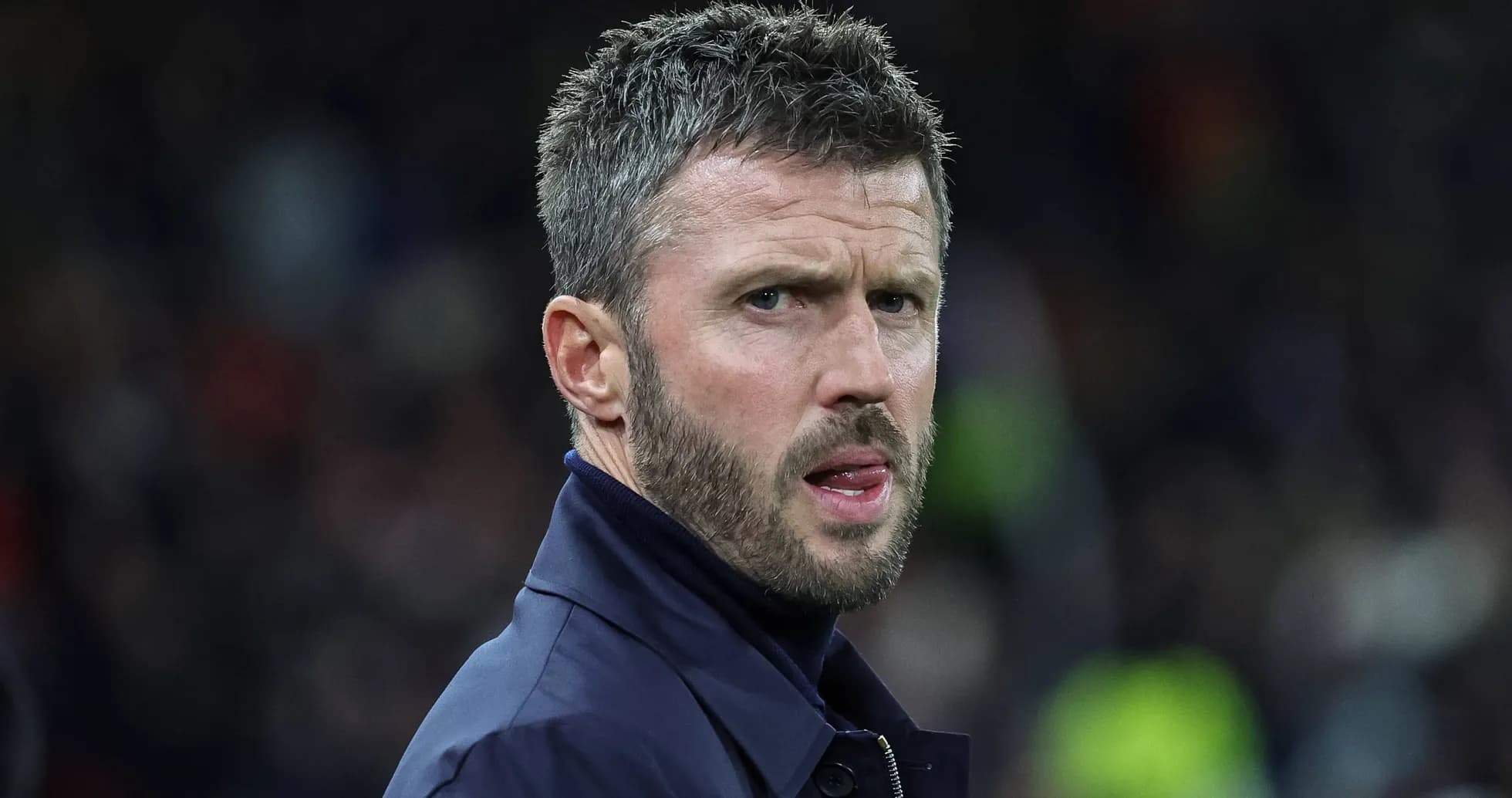
"It's something definitely worth celebrating as a football club, 40 years this week since he came here," Michael Carrick said as he faced the media, the weight of history hanging over every word.
Carrick lived a chunk of that history. He won titles under Ferguson, shared dressing rooms in eras when United expected to win, not just hoped. Now, as manager, he admits the relationship with his old boss has deepened.
"I am probably closer to him, and speak more to him now, than I did when I was playing," he revealed. "Ever since he came here, the impact he has had on me as an individual was immense."
That impact shapes his vision of what comes next. For Carrick, honouring Ferguson is not about choreographed tributes or video montages. It is about finding a way back to something more enduring than a single electric night under the lights.
United have shown flashes. The 3-2 Champions League comeback against Roma was one of them – chaotic, thrilling, and unmistakably Old Trafford. But Carrick is wary of falling in love with moments when what the club craves is a movement.
To truly respect the Ferguson dynasty, he believes, United must rediscover sustained success rather than live off sporadic bursts of brilliance. One comeback does not make a season. One roar does not restore an aura.
Injuries bite after Roma high
The Roma win came at a cost. While the noise from that midweek surge is still echoing, Carrick’s more immediate reality is a squad stretched again.
He confirmed that Carlos Baleba faces a spell on the sidelines after picking up an injury during that dramatic European tie. The midfielder, one of the bright young pieces in this evolving United side, is expected to miss several weeks, with a return only likely after the upcoming international break.
It is a significant blow. Baleba’s energy and range have given Carrick options in games that tilt and turn. Now those options narrow.
There is at least a sliver of better news with Patrick Dorgu. The defender is "slowly getting back" after a seven-game absence, edging towards contention but not yet guaranteed to feature against Aston Villa. His status will hinge on late assessments, the kind of marginal call that can shape a manager’s weekend.
The contrast sums up United’s current state. A squad capable of wild, emotional nights in Europe, yet constantly interrupted by absences and setbacks. Carrick knows how seductive that Roma performance could be for players and fans alike. He is determined not to let it become a comfort blanket.
He called the 3-2 victory a "one-off" – not to diminish it, but to underline the danger of thinking the hard part is done.
"We scored some goals from nowhere. I thought we played really well and deserved to win the game," he said. "Nothing is done yet. It is one moment in time that we need to use to move forward. We need more of it, for sure."
That is the tension at the heart of his message. Enjoy the chaos, feed off the atmosphere, but do not mistake adrenaline for progress. Ferguson built empires out of standards, not just storylines. Carrick is trying to bridge that gap.
Solskjaer’s backing and a manager under the microscope
The Ferguson anniversary is not the only reminder of United’s recent past. Ole Gunnar Solskjaer, another figure forever stitched into the club’s mythology, has stepped back into the conversation.
Speaking to Norwegian media, Solskjaer offered his backing for Carrick to lead the club on a long-term basis. The endorsement carries weight. Solskjaer knows better than most how the job can lift and drain you, and how unforgiving the debate around the man in the hotseat can become.
Carrick, though, refused to be drawn into the noise around his own future. He stayed on message: the next game, the next training session, the next step.
He admitted he had not watched the interview himself, but the support clearly resonated. Solskjaer is not just a former manager to him; he is a former team-mate, a fellow 1999 Treble-winner, someone who has shared the unique pressure and privilege of representing this club at its highest peaks.
Carrick described Solskjaer as a "fantastic person" and spoke of a man who knows him "better than almost anyone else in the industry." There was also a hope – not dressed up, not forced – that Solskjaer will return to management soon.
It was a small human moment in a week dominated by history and expectation. A nod from one United generation to another, each having carried the burden in their own way.
As Old Trafford prepares to salute Ferguson’s 40-year legacy, Carrick stands at a familiar crossroads for modern United managers: caught between the shadows of what came before and the demand to create something new. The banners, the applause, the memories will belong to Sir Alex.
What comes next, though, will belong to Carrick and his players. Can they turn a "one-off" into a habit, and nostalgia into a platform rather than a crutch? The answer will not come in a tribute video, but in what this team does once the anniversary passes and the whistle blows again.





