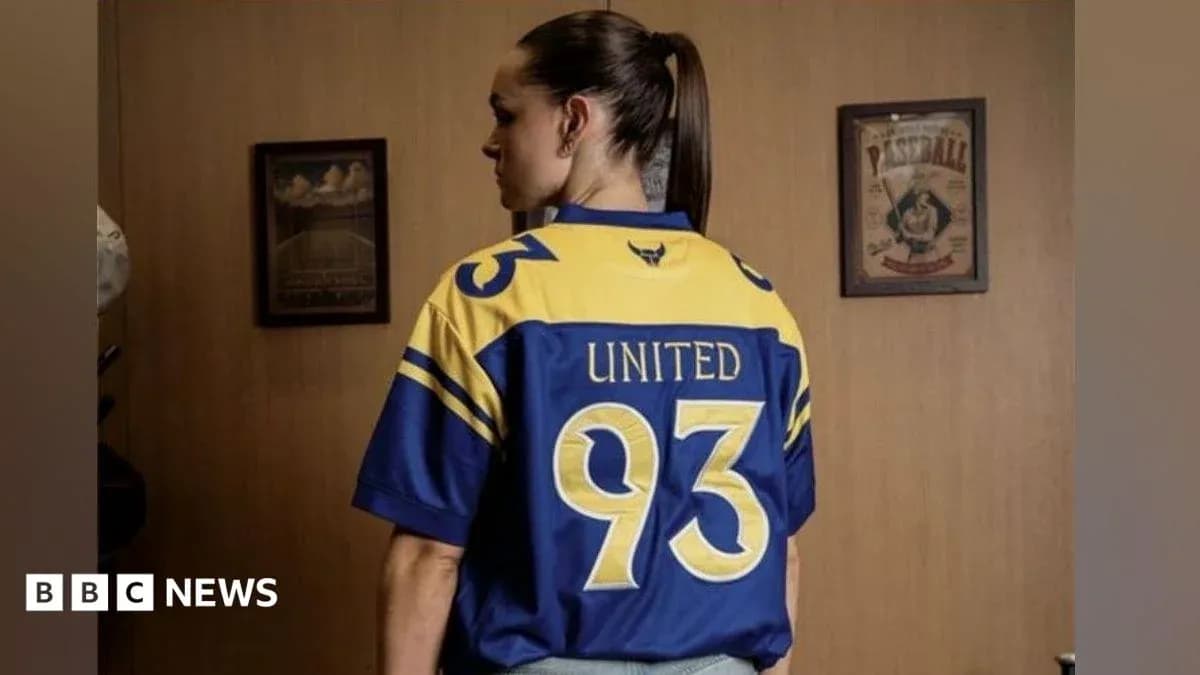
Oxford United have been forced into an embarrassing climbdown after releasing a clothing range featuring "United 93" on the back – the call sign of one of the planes hijacked during the 9/11 attacks.
The design was intended as a nod to the club’s roots. Oxford United were founded in 1893, and the number was meant to reflect that history. Instead, it collided with one of the most painful dates in modern memory.
The club admitted the line had gone on sale "without understanding of the historical context and associations" tied to United Airlines Flight 93, which crashed in Shanksville, Pennsylvania, on 11 September 2001, killing all 44 people on board. The flight has since become a symbol of resistance, with passengers believed to have fought back against the hijackers before the aircraft came down. The story was later retold in the 2006 film United 93.
Once the connection was highlighted, Oxford moved quickly. The Campus Clothing range was pulled from sale and the club issued a public apology, accepting full responsibility for the oversight.
"It should not have reached the point of sale and we take full responsibility for not undertaking proper due diligence," the statement read. The club added that it had "removed the collection with immediate effect" and is now "reviewing our approval processes to ensure nothing like this happens again."
Oxford United, who began life as Headington in 1893 and now operate in League One, had hoped the range would celebrate their origins. Instead, it has triggered a stark reminder of how easily football’s commercial drive can clash with wider history.
The 9/11 attacks saw 19 Al Qaeda members hijack four commercial airliners in the United States. Two were flown into the Twin Towers of the World Trade Center in New York, bringing both buildings down. Another hit the Pentagon near Washington DC. The fourth, United 93, crashed in rural Pennsylvania and is widely believed to have been destined for the US Capitol Building.
In total, 2,977 people were killed and tens of thousands injured.
For Oxford, this episode now becomes a case study in the cost of not checking, not asking, not pausing before print. The shirts are gone. The apology is on record. The real test is whether the lesson sticks the next time a commercial idea meets the weight of history.