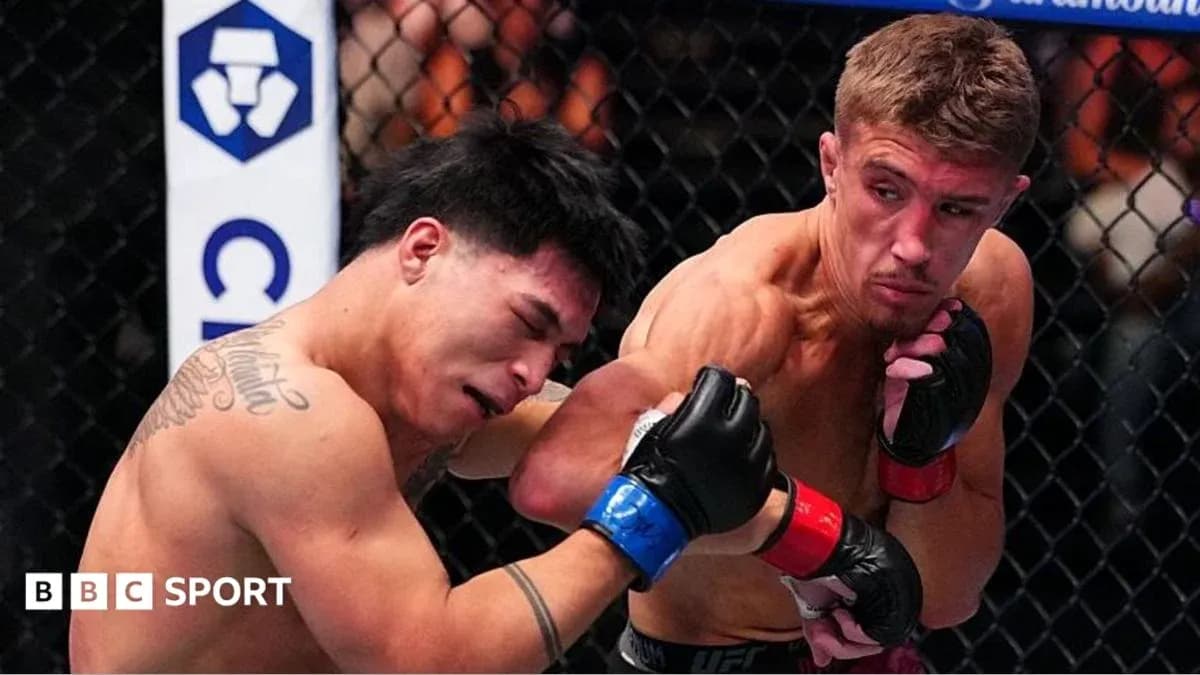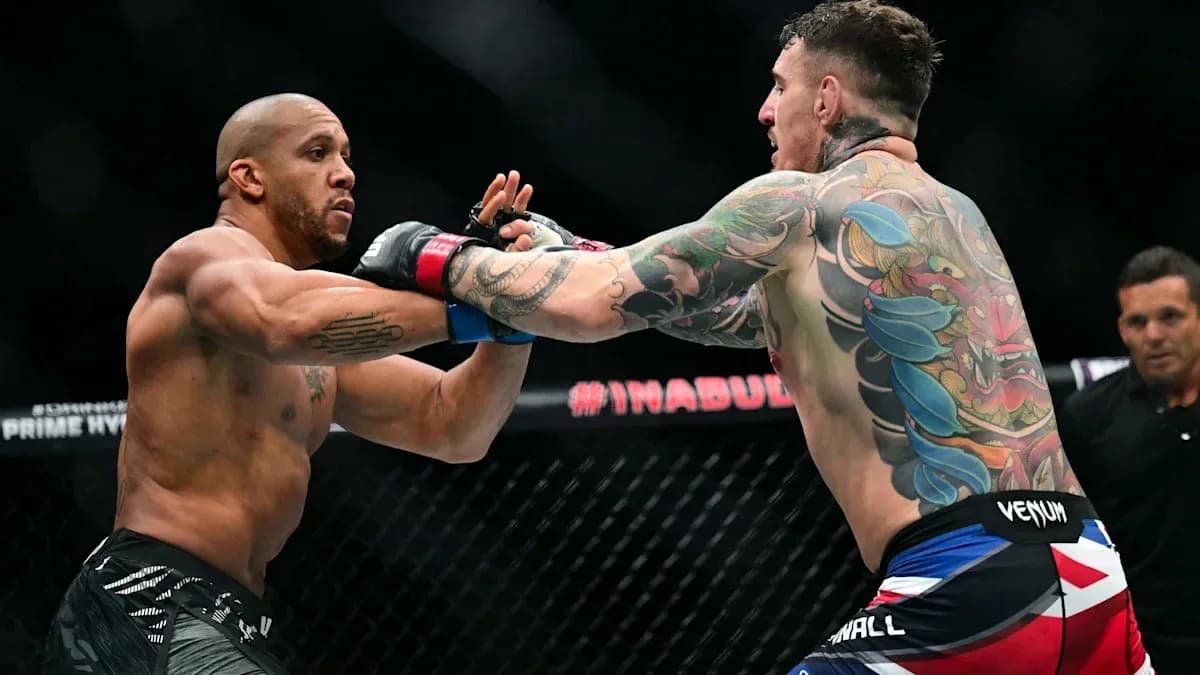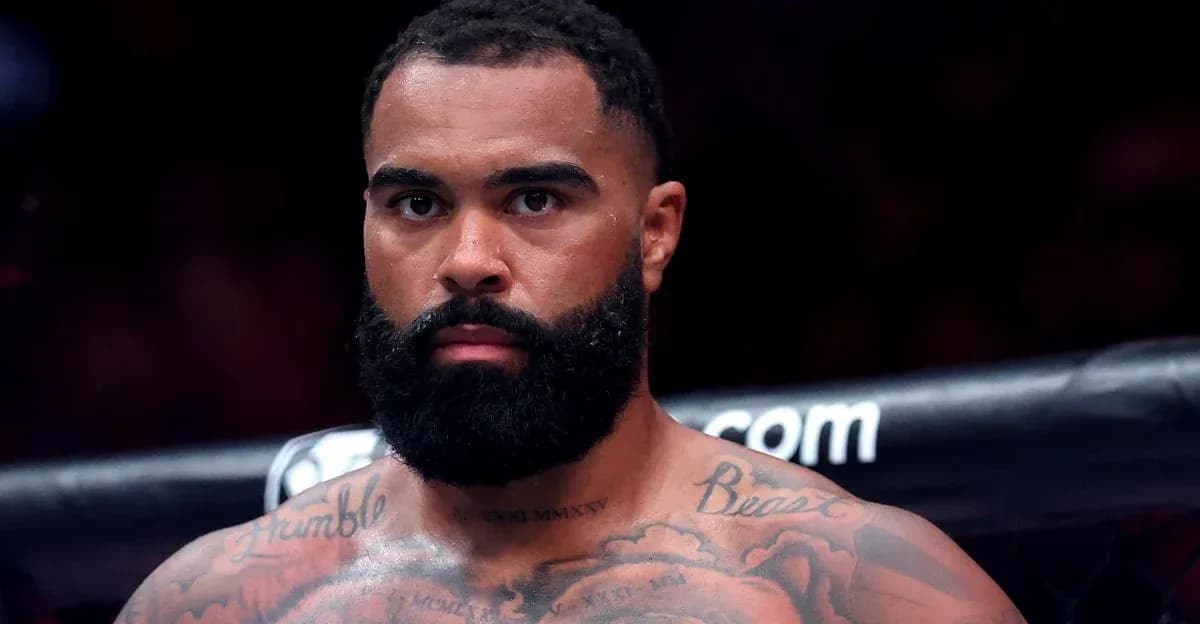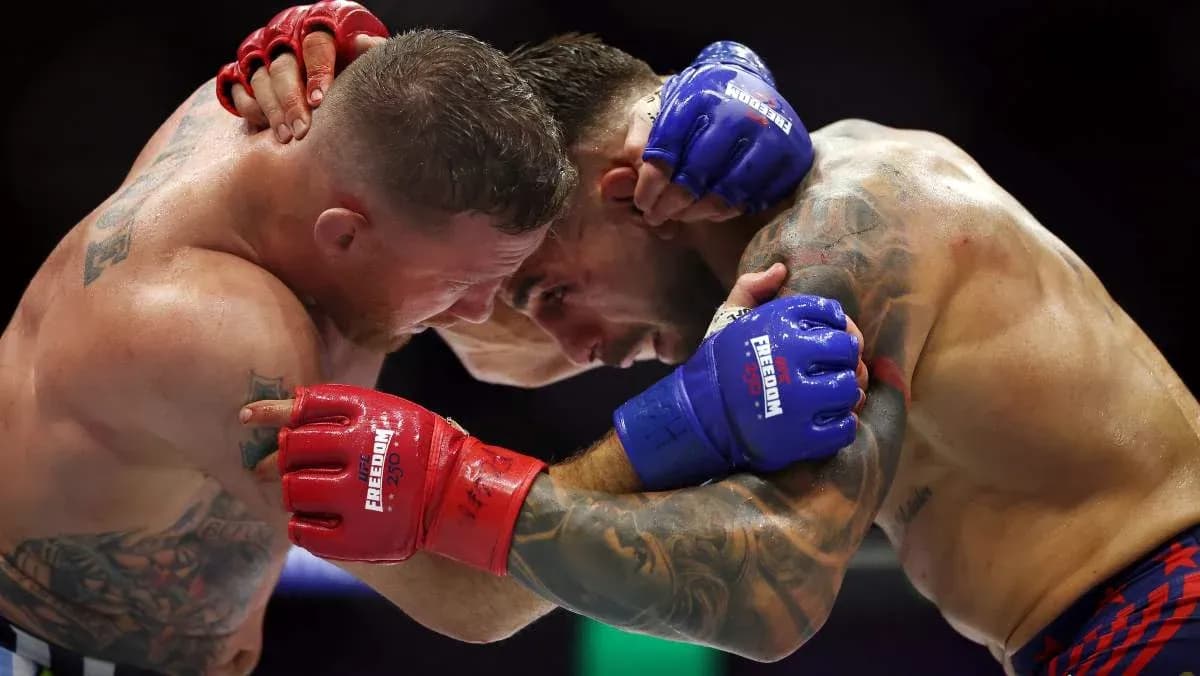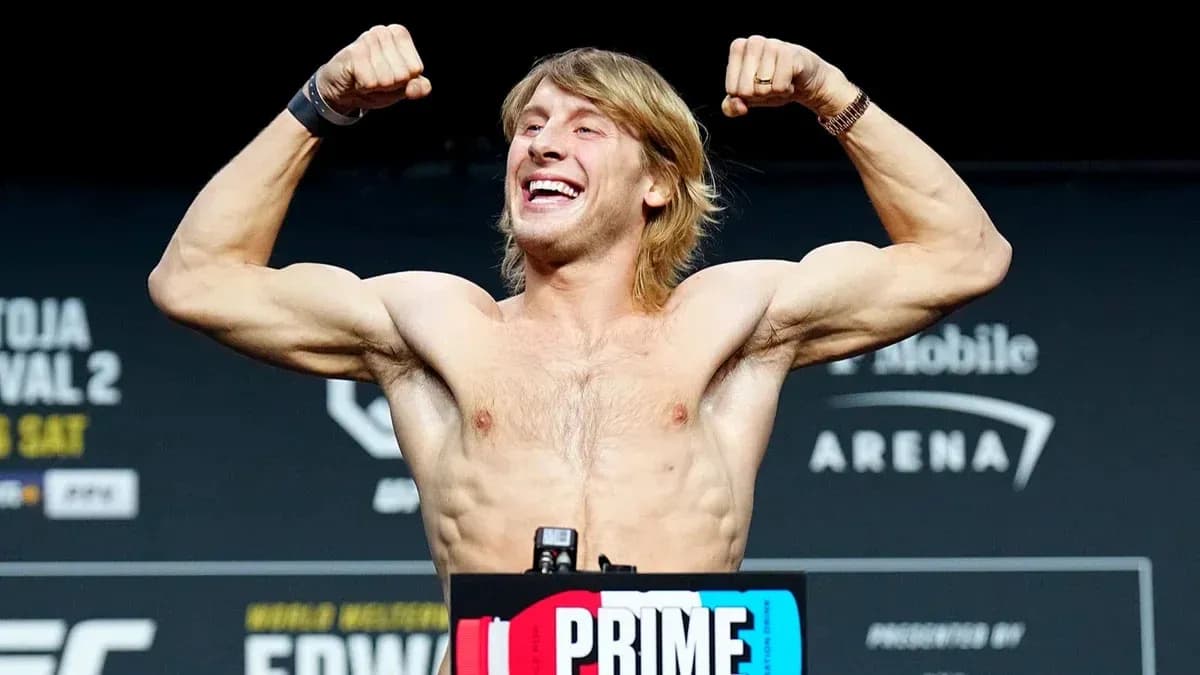
Paddy Pimblett walked into the UFC already carrying the weight of expectation. Nineteen fights on the regional scene, championship rounds under his belt, and a fanbase that treated his debut like a homecoming rather than an introduction. He didn’t arrive as a prospect. He arrived as an attraction.
From the start, “The Baddy” made one thing clear: he wasn’t there to coast to decisions. He fights to finish, chases moments, leans into chaos. That attitude made him a valuable piece of the roster long before he reached the sport’s elite. But in Dana White’s eyes, the true measure of Pimblett only came into focus on a night he lost.
The defeat to Justin Gaethje, the kind of punishing assignment that strips away hype and leaves only substance, changed the conversation. It didn’t pad his record. It hardened his reputation.
White revealed that the numbers told their own story. Pimblett, he said, gained more followers in that loss than he did after his previous win, a victory the UFC president described as “incredibly spectacular.” The reason, in White’s view, was simple: fans finally saw the core of the fighter rather than the character.
“People realize what a dog—and how tough—he really was. And what a chin he has,” White said, framing that night not as a setback but as a reveal. Pimblett’s appeal, in that moment, stopped being theoretical. It became undeniable.
For White, this is exactly the kind of fighter the UFC needs if it wants fans to give up their Saturday nights. He drew a direct line from Pimblett to one of boxing’s most beloved warriors: Arturo Gatti.
This wasn’t a throwaway comparison. It was a window into how White has always viewed the business.
“This was sort of my philosophy going into the UFC business when we bought it,” he explained. He remembered watching Gatti keep landing HBO deals even when the losses piled up. The record didn’t protect him. The way he fought did.
The logic behind it still drives White’s matchmaking instincts. A fight isn’t just a product; it’s a request. Stay home. Turn on the TV. Give us your night.
“You guys have sh*t to do on Saturdays, right?” White said. “You got to take your girl out. You got to take your kids. You’ve got things.”
That’s the bargain. Skip the dinner, delay the plans, pay for the show. It only works if the fighters on screen make that choice feel worth it.
“To invest a Saturday night is a big deal,” White said. With Gatti, that investment always paid off. Blood, drama, swings in momentum, a refusal to fold. “When you invested a Saturday night in an Arturo Gatti fight, you were never disappointed when you turned the TV off. People want to see guys f***ing go to war.”
In Pimblett, White sees that same currency: a willingness to walk into the fire and stay there. The loss to Gaethje didn’t damage that stock. It validated it.
The record will keep changing. The perception, after that kind of night, might not.