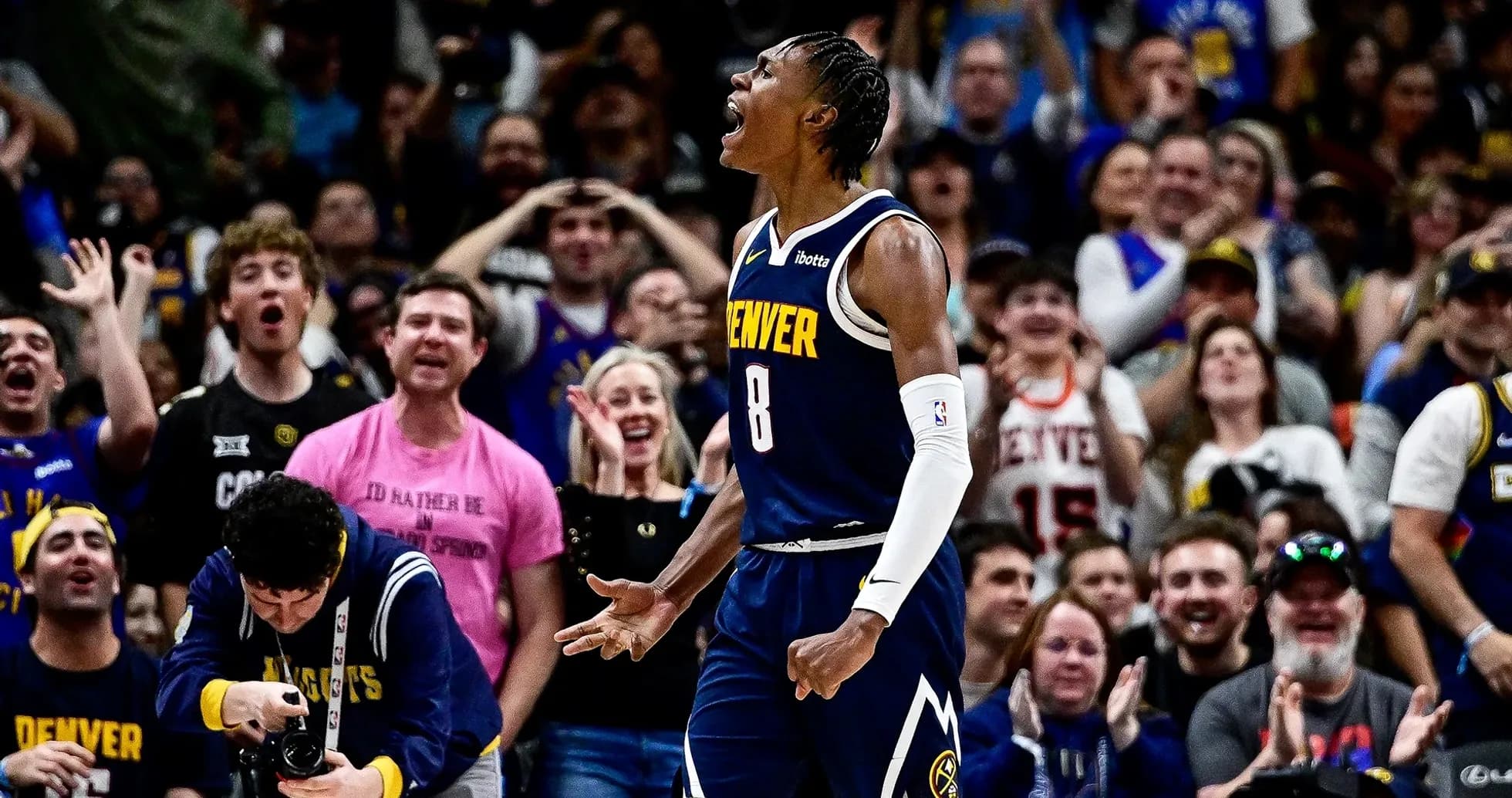
Peyton Watson: Cavaliers' New Commitment for the Future
INDEPENDENCE, Ohio — Peyton Watson wasn’t on Cleveland’s radar at first. Not publicly, not in the early rumor mill. But once the Cavaliers turned their eyes to him, the fit snapped into place for both sides.
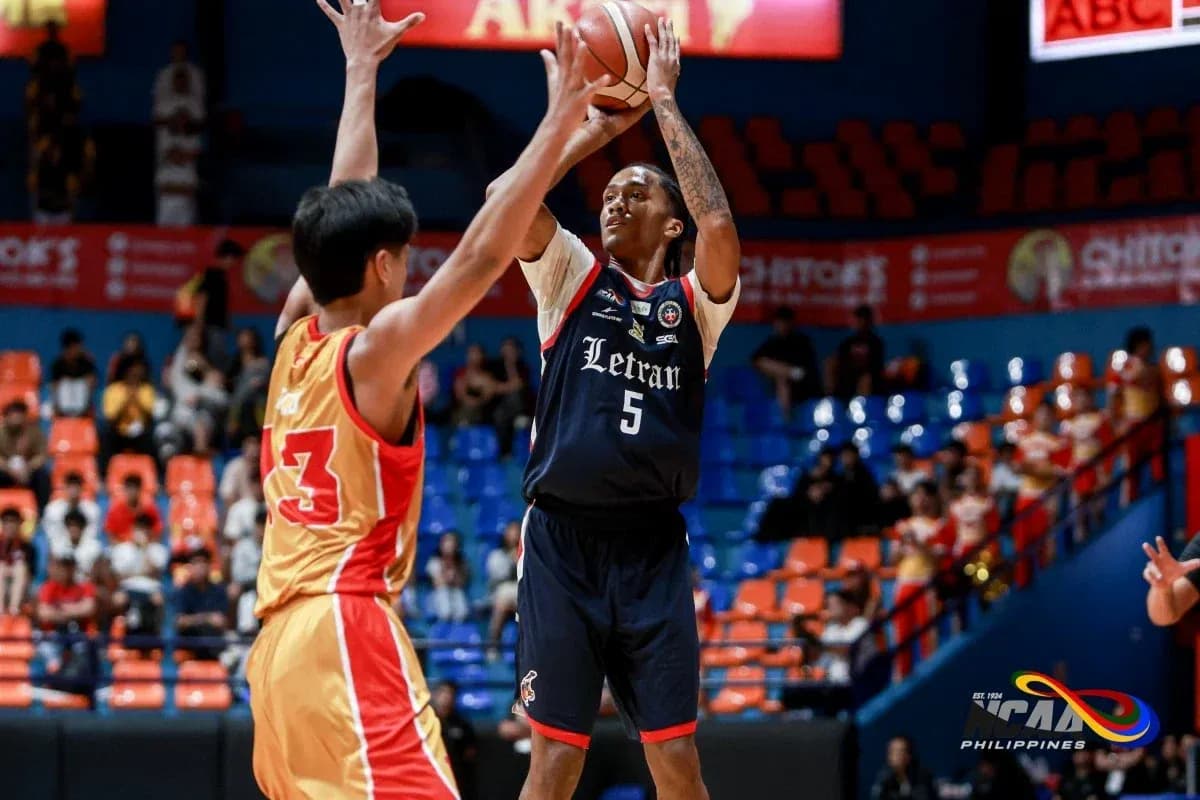
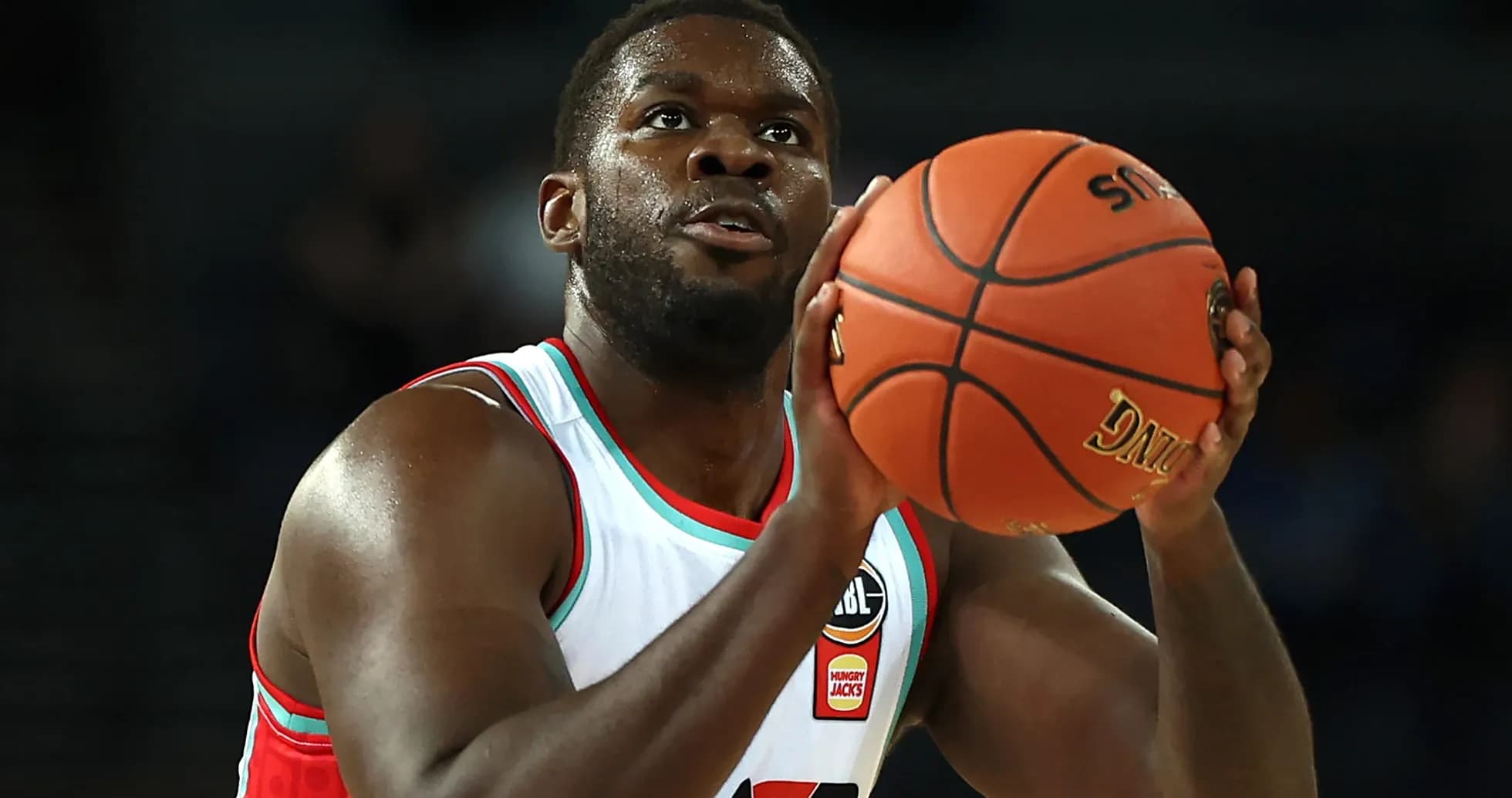
Watson, 24, arrived at the team’s training complex on Thursday as the newest piece of a franchise trying to turn last season’s breakthrough into something far more serious. The route was complicated — a sign-and-trade folded into a five-team deal in late August — but the message from Cleveland was simple: you’re worth the wait.
“They weren’t one of the first teams that was speculated to be interested or one of the first teams that kind of came into the fold, but as soon as they were, they were interested,” Watson said, seated with a new jersey in front of him and a clear role waiting behind him.
From waiting game to four-year commitment
Watson’s summer dragged. Restricted free agency can do that to a player, especially one coming off a breakout year and still trying to establish his place in the league. He started a career-high 40 games for the Denver Nuggets last season and delivered across the board: 14.6 points, 4.9 rebounds and 2.1 assists per game, all personal bests.
He wanted clarity. The market didn’t give it to him.
The entire league seemed to stall until late July, when LeBron James finally ended the suspense and chose Philadelphia. That decision did more than reshuffle the Eastern Conference; it closed the door on a third LeBron stint in Cleveland and forced the Cavaliers to define their next era without him.
They chose to do it with Watson.
Once James’ future was settled, Cleveland’s pursuit of the 6-foot-8 forward intensified. Talks accelerated, numbers hardened, and the Cavaliers ultimately committed four years and $88 million to a player they believe hasn’t come close to his ceiling.
“We’re really excited about what he’s going to bring to the table right away, but I think even more than that, his best basketball is ahead of him,” president of basketball operations Koby Altman said, before handing over a No. 8 jersey with WATSON stitched across the back. “He’s going to help us win some games, but I’m also really excited about his trajectory with us.”
A blueprint in New York and Minnesota
Cleveland isn’t hiding the template. The front office has watched OG Anunoby reshape New York’s defensive identity and Jaden McDaniels give Minnesota a snarling, switchable edge on the wing. Those are the types of long, versatile forwards who tilt playoff series and free up stars to do damage.
The Cavaliers believe Watson can be that kind of force.
They reached the Eastern Conference Finals last season for the first time since 2018, then ran into a wall. The Knicks swept them in four games, exposing the gaps between a good team and a hardened contender. Size and versatility on the wing were high on that list.
Watson walks straight into that problem area.
He joins a starting group that’s already loaded with star power: Evan Mobley at the other forward spot, Jarrett Allen anchoring the middle, James Harden and Donovan Mitchell in the backcourt. On paper, that’s length, rim protection, playmaking and scoring layered across all five positions.
For Watson, it’s also a defensive safety net.
“I feel like it just gives me a lot more leeway and a lot more rope to be more aggressive defensively,” he said of playing alongside Mobley and Allen. “I think playing the passing lanes more aggressively and really push up on guys more knowing that I have that back line behind me and I have elite rim protection in JA and Evan.
“I think it makes our team a threat defensively because we can play very aggressive and very physical while at the same time not giving up too many shots at the rim.”
That’s the theory. Two elite shot-blockers behind him, a long-armed forward on the ball, and guards who can pressure knowing the paint is protected. It’s the kind of construction that has defined the league’s nastiest defenses over the past decade.
Beyond the “3-and-D” label
Offensively, Watson brings something Cleveland badly needs around its ball-dominant guards: reliable shooting. He knocked down 41.1% of his 3-pointers last season, a number that jumps off the page in any scouting report.
That percentage alone earns a player the “3-and-D” tag. Watson understands why people use it. He just doesn’t want to live inside it.
“I don’t define myself by that term,” he said. “I think that it doesn’t encompass enough about me just as a person and as a player. I think that I strive to be somebody who can do a lot of different things well. But obviously coming into the league, that’s an archetype that I wanted to fit into to get myself on the floor.
“I have to continue to grow and get better that I never like to box myself in one category.”
For Cleveland, that’s the bet: that the 41.1% from deep holds, that his defense sharpens in front of Mobley and Allen, and that the rest of his game — the off-the-dribble creation, the passing, the reads — grows inside a lineup built to play deep into May and June.
Watson didn’t start this summer as one of the headline names on the market. He ends it as a central figure in what comes next for the Cavaliers, a franchise that has stopped waiting on old storylines and handed the ball, and the responsibility, to a new one.