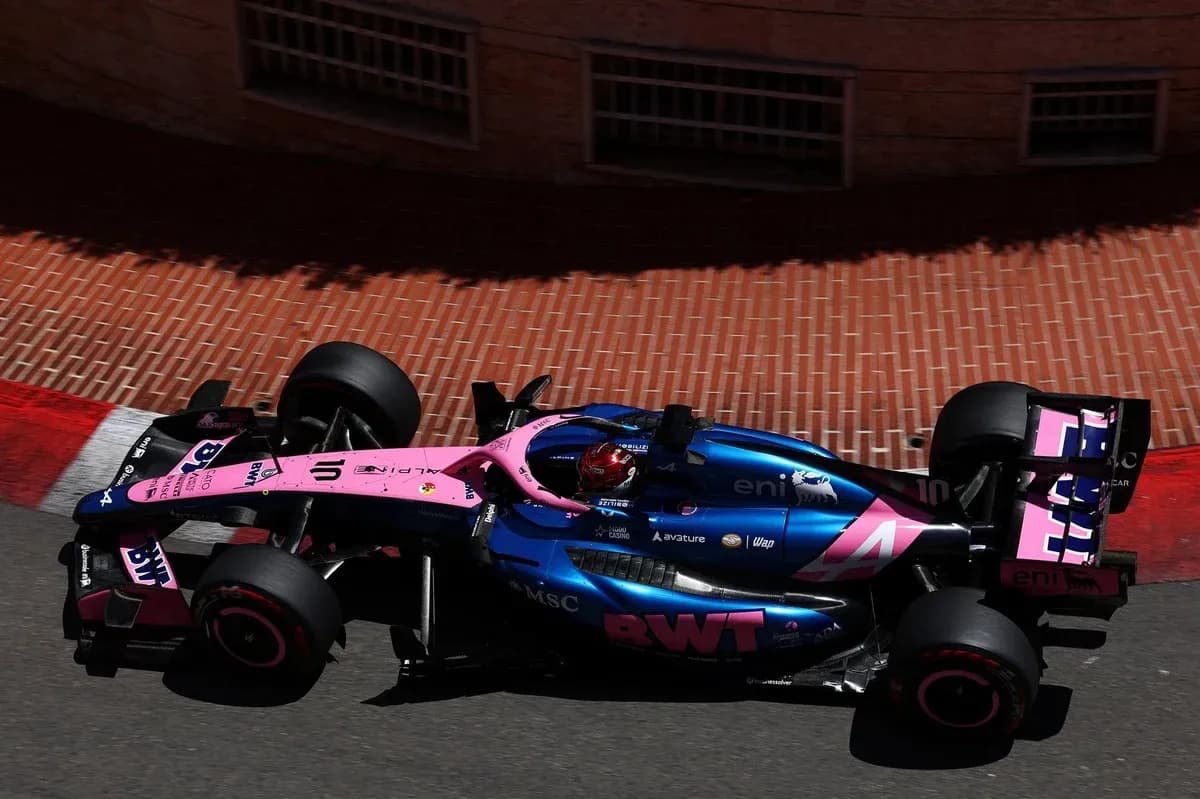
Pierre Gasly has lost his Monaco Grand Prix podium – again.
Weeks after being handed back third place when stewards overturned his pitlane speeding penalties, the Alpine driver has seen that result stripped away by the FIA’s International Court of Appeal. The court has ruled that the original sanctions stand, dropping Gasly from third to seventh and restoring Red Bull’s Isack Hadjar to the podium.
What Monaco gave, Paris has taken away.
A Podium Won, Lost, Won… and Lost Again
Gasly’s race in the principality had already become one of the strangest stories of the season. He was among several drivers hit with penalties for speeding in the pitlane, only for it to emerge that the timing system itself was flawed. The first two timing loops in the pitlane were misaligned by 77cm, a tiny discrepancy that produced an unusually high number of infractions.
Some drivers, like Oscar Piastri and George Russell, served their penalties during the race. Russell’s case turned into a mess of its own: Mercedes served his sanction incorrectly, which then triggered a drive-through. Gasly, by contrast, had two five-second penalties added to his race time, dropping him from the podium to seventh after the flag.
That timing quirk opened a door. Alpine requested a right of review, arguing that the pitlane measurement error undermined the validity of the penalties. On 12 June, the stewards agreed and wiped Gasly’s sanctions, putting him back in third place. The problem? That decision only helped those whose penalties had been applied after the race. Drivers who served their punishments in real time – and lost track position because of it – had no such remedy.
Red Bull and McLaren were never going to let that slide.
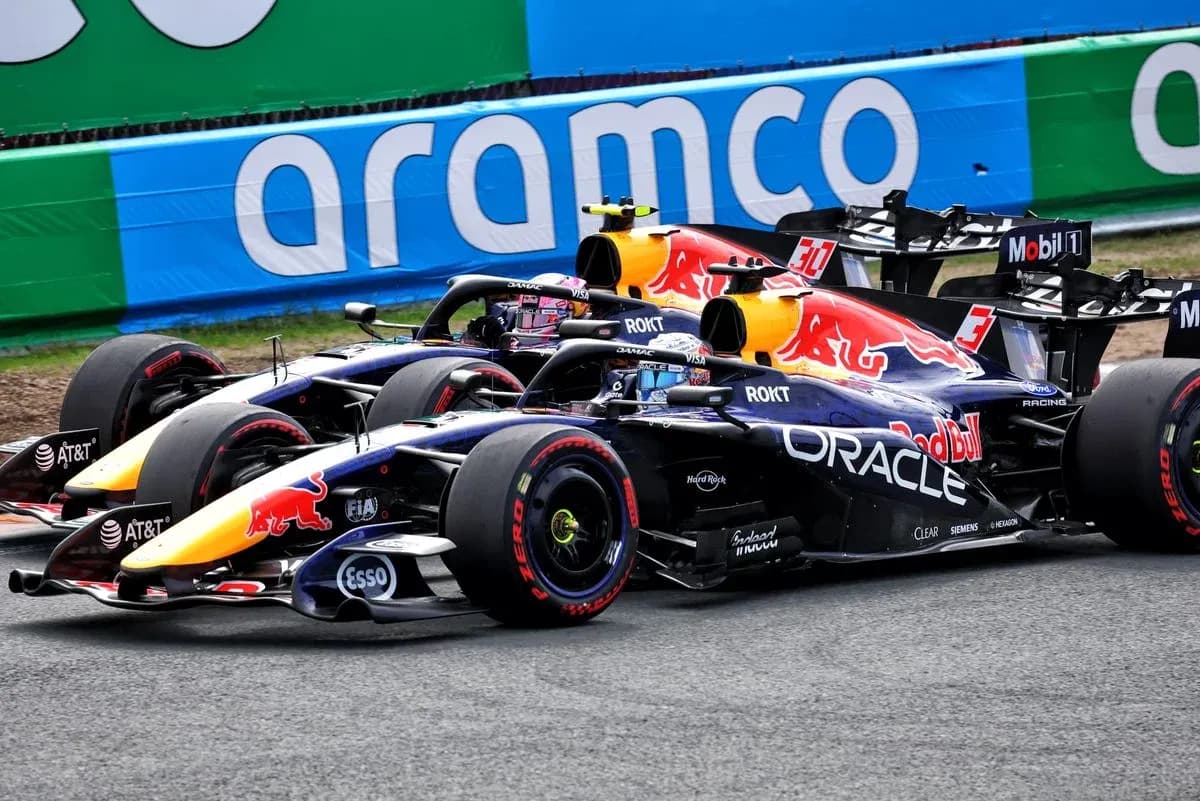
Hadjar and Piastri had originally finished third and fourth on the road before the cascade of penalties and reclassifications. When Gasly’s sanctions were removed, they slipped to fourth and fifth. Red Bull and McLaren appealed to the ICA, backed by Racing Bulls – whose drivers also lost positions – and Motorsport UK. The case moved from the chaos of the streets of Monte Carlo to the legal corridors of Paris.
On Friday, the court delivered its verdict: the penalties stay. Gasly goes back to seventh. Hadjar inherits third, the place he had celebrated in the immediate aftermath of the race.
The Court’s Logic – and Alpine’s Fury
The ICA’s reasoning cut to the heart of Alpine’s argument. The team maintained that Gasly never exceeded the pitlane speed limit and that the flawed timing loops created an inaccurate picture of his run through the lane.
The court, though, said Alpine could not prove with “full certainty” that Gasly had travelled a longer distance in the pitlane than the system recorded. His shorter time between the timing loops, the judges said, could be down to a shorter path, higher speed, or a mix of both. Without conclusive proof, the penalties could not simply be erased.
On one point, the ICA did side with Alpine’s broader stance on fairness. It acknowledged that other drivers having already served their penalties “cannot be an obstacle to the cancellation of an illegitimate sanction, because those penalties were served at the discretion and choice of the team.” In other words, a team’s in-race strategy call cannot block the overturning of a bad decision. To argue otherwise, the court said, would be “inconsistent with sporting fairness.”
Yet in this case, the judges did not accept that Gasly’s penalties were illegitimate in the first place.
Alpine’s response was immediate and emotional. The team issued a statement expressing “disappointment and frustration” with the outcome and doubled down on its belief that Gasly had been wrongly punished.
“While we disagree with the decision, and still fully maintain that Car #10 did not exceed the Pit Lane speed limit at any point during the race, the team acknowledges the decision of the judging panel from the recent hearing in Paris,” the statement read.
The team insisted it felt “unjustly punished” but vowed to keep its focus on performance and its “very competitive Championship fight.” The message was clear: the anger is real, but the season moves on.
“This outcome will not deter the team’s efforts and motivation in achieving its objectives by the end of the season,” Alpine added.
FIA Under Scrutiny
The case has also thrown an uncomfortable spotlight on the FIA’s systems and procedures. The governing body moved to defend its stewards while admitting that the timing framework itself now needs a hard look.
In its own statement, the FIA noted that the ICA had upheld the appeals of McLaren and Red Bull against the stewards’ document 99 from the Monaco Grand Prix, effectively overturning that earlier stewards’ decision which had cleared Gasly.
The federation stressed that stewards operate in a very different environment to the Court of Appeal. At the track, decisions come under time pressure, with limited legal support and less evidence. The court, by contrast, has access to extended legal counsel, broader arguments, and more data.
The FIA insisted it remains “fully supportive of the Stewarding process and the independence and objectivity of the diverse panels of Stewards who are an integral part of global motorsport,” while also acknowledging that lessons must be learned.
It has pledged to review “the methodology and operation of the current Formula 1 timing system and the related regulatory matters.” It will also re-examine judicial procedures, including the right of review and the appeal process itself.
Inside race control and the stewards’ rooms, there will be some soul-searching. The FIA says its stewards already take part in “extensive professional development” and that every ICA decision is studied to drive “continuous improvement.” This case will now join that internal curriculum.
A Podium Rewritten, A System Questioned
For Gasly, the story is brutal. A Monaco podium – the kind of result that can define a season and, sometimes, a career – has now been granted, rescinded, restored, and rescinded again. The record books will show seventh place. The sense of injustice at Alpine will linger far longer.
For Hadjar, the twist ends with a podium officially back in his hands, the third place he had already celebrated before the legal storm broke.
For Formula 1 and the FIA, the Monaco saga leaves a sharper question. When a 77cm discrepancy in a timing loop can reshape a grand prix result months later, how much trust can teams and drivers place in the systems that govern their sport at 300km/h?