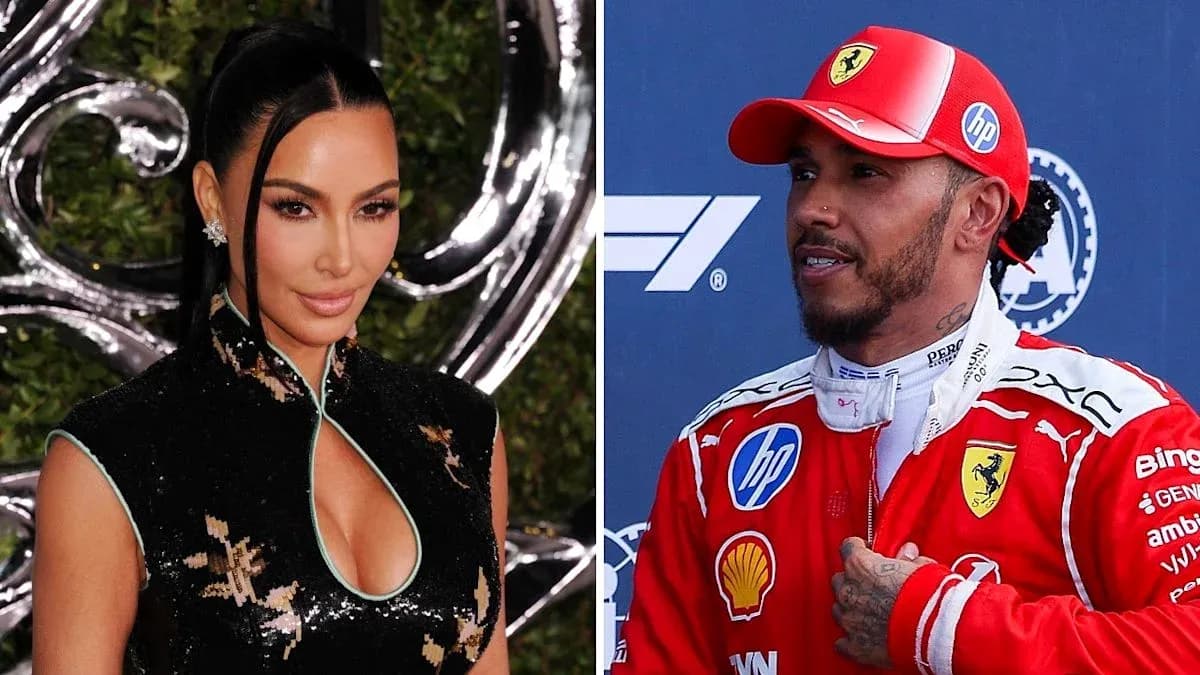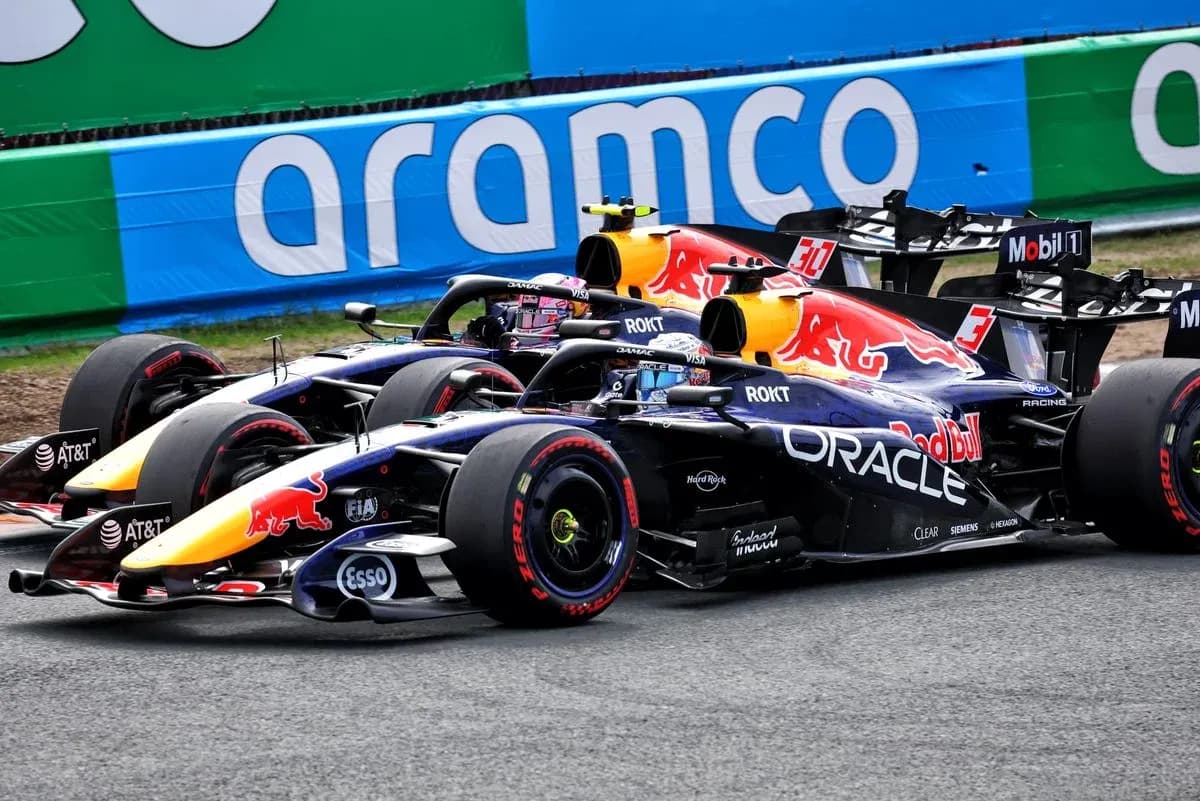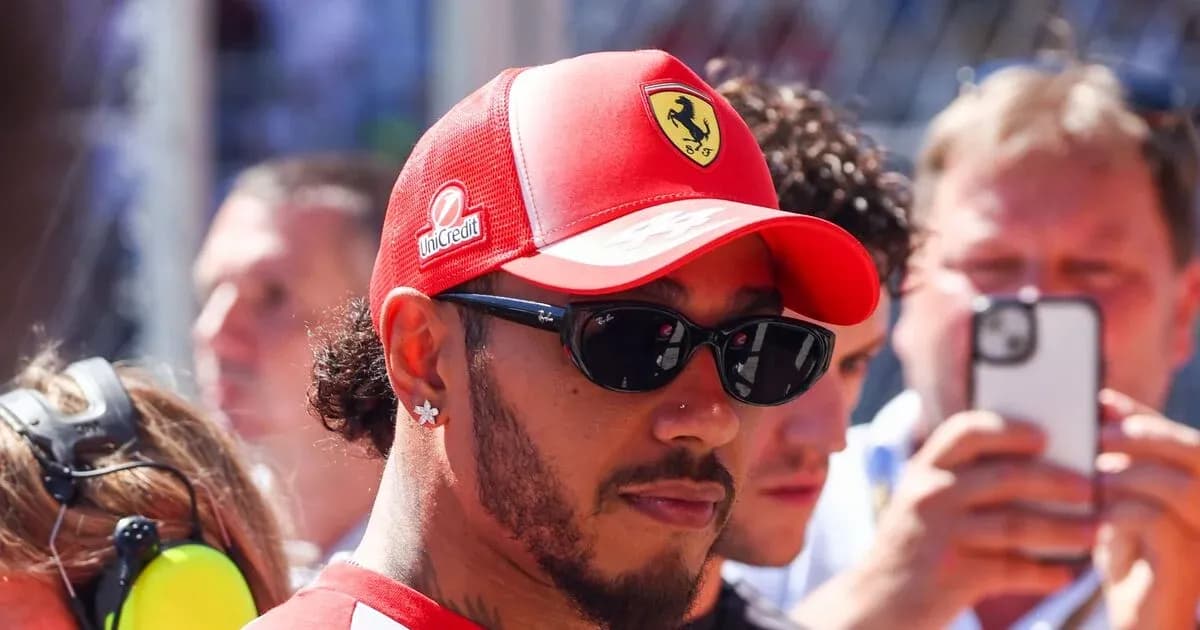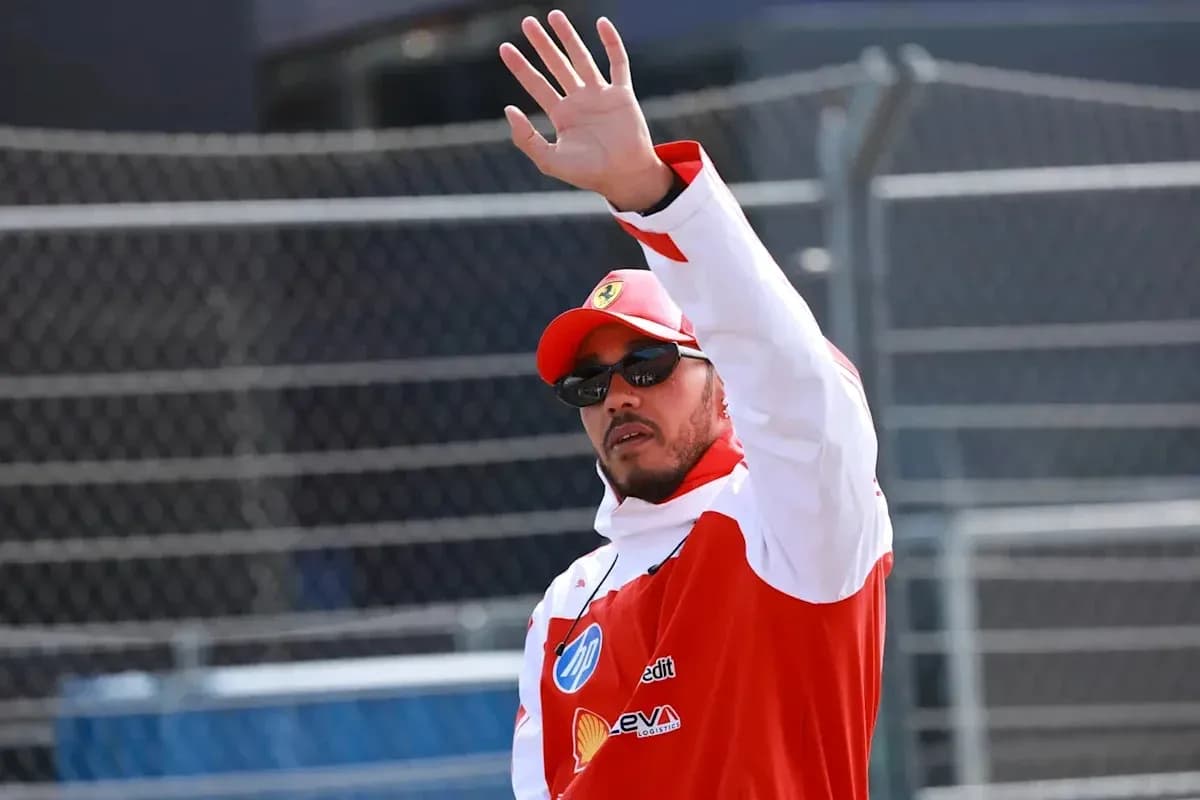
Lewis Hamilton left Zandvoort with more than just points and frustration. He left with a debate raging over how a seven-time world champion should sound on the radio when things go wrong.
His anger with Ferrari’s strategy in the Dutch Grand Prix became one of the weekend’s defining storylines, running almost in parallel with Lando Norris’ victory. Lap after lap, Hamilton questioned the calls from the pit wall, complained about time lost behind Charles Leclerc and made it crystal clear he felt the race was slipping away because of decisions made in red, not in the cockpit.
A day later, he tried to put the fire out.
Hamilton took to social media to apologise for the tone of his outbursts, accepting that the heat of the moment had got the better of him. He stressed his commitment to Ferrari, underlined that the frustration came from a desire to maximise the result, and insisted it was not a sign of doubt in the people around him.
For Ralf Schumacher, that wasn’t quite enough.
“At His Age and With His Standing…”
Speaking on the Backstage Boxengasse podcast, the former Formula 1 race winner cut straight to the point. He said he understood the raw emotion straight after a race, the lingering adrenaline, the instinct to vent. Every driver knows that feeling.
But he argued Hamilton, of all people, should have taken a different route.
“I can understand a certain amount of frustration. That's always there as a driver, and especially immediately after the race, the emotions are still there,” Schumacher said. “But at his age and with his standing, you could handle it a little differently. Especially when it comes to criticising the team publicly.”
That was the crux. Not the frustration itself, but where it was directed and how loudly the world could hear it.
Schumacher went further, suggesting the balance of credit inside Ferrari does not yet tilt Hamilton’s way. The Briton’s first season in red has been bruising, and in Schumacher’s eyes that matters when a driver chooses how hard to go at his own team in public.
“I think that particularly applies to him, considering that last year he really didn't help the team. I think the team still has a little more credit in the bank than he does. You can handle that differently,” he added.
Then came the pointed paddock observation. Schumacher referenced whispers in the Italian camp that this might be the first time they feel a driver considers himself bigger than the badge on the nose.
“But as you know yourself, in the paddock – and I'm talking particularly about the Italians – there are one or two rumours that this is the first driver where the Italians have the feeling that he is more important than the brand.”
For Ferrari, image and hierarchy matter. That kind of talk cuts deep in Maranello.
How “One Lap More” Lit the Fuse
Inside the garage, the story sounded more mundane, and that is often where the real tension lies: simple decisions, made in real time, that spiral into a storm.
Ferrari team principal Frederic Vasseur laid out the sequence after the race. The plan, as he told it, was straightforward at first. When Hamilton closed in on Leclerc, the pit wall expected him to pit. Strategy aligned with track position. Clean.
Then traffic intervened.
With cars around them and the window tightening, Ferrari called an audible. They asked Hamilton to stay out for one more lap. That single extra tour of Zandvoort upset the timing of everything that followed.
By stretching the stint, Ferrari boxed themselves into an awkward corner. They could not realistically ask Hamilton to go yet another lap and, at the same time, orchestrate an immediate position swap with Leclerc. The overlap of needs – tyre life, track position, intra-team politics – became too messy to fix on the fly.
The pressure finally told on the radio.
Hamilton, pushing, felt trapped behind his teammate and short-changed by the pit wall. Ferrari, juggling scenarios at high speed, failed to make their intentions clear. The gap between what the team thought it was asking and what the driver believed he was doing widened with every corner.
Vasseur admitted that a different decision around lap 46 might have delivered a better outcome. He stopped short of calling it a strategic blunder, but he did accept that communication fell short.
He highlighted one key point: Hamilton had not been clearly told that the team expected him to stay out to the end of the race, rather than simply attack harder in that phase. The message, in other words, never fully landed in the cockpit.
That misalignment turned a marginal call into a flashpoint, and a flashpoint into a public spectacle.
Patience, Pressure and the Ferrari Equation
Schumacher’s broader argument cuts beyond one radio rant and one misjudged stint. In his view, this is a relationship still finding its balance, with Ferrari entitled to a little more patience from its star signing than he is currently showing them.
He believes Hamilton’s first season in red, with its struggles and limited impact, should weigh heavily when the driver chooses how to voice his anger. A driver still building his legacy at a new team, Schumacher suggests, cannot attack the structure around him with the same freedom as someone who has already delivered titles in that colour.
Inside Ferrari, Vasseur’s defence of the strategy and admission over communication hint at a different priority: tighten the processes, sharpen the messages, keep the next high-pressure call from exploding over global radio.
Between those two positions lies the real test of this partnership. Can Hamilton’s ferocious standards and Ferrari’s fragile margin for error coexist without more days like Zandvoort?