
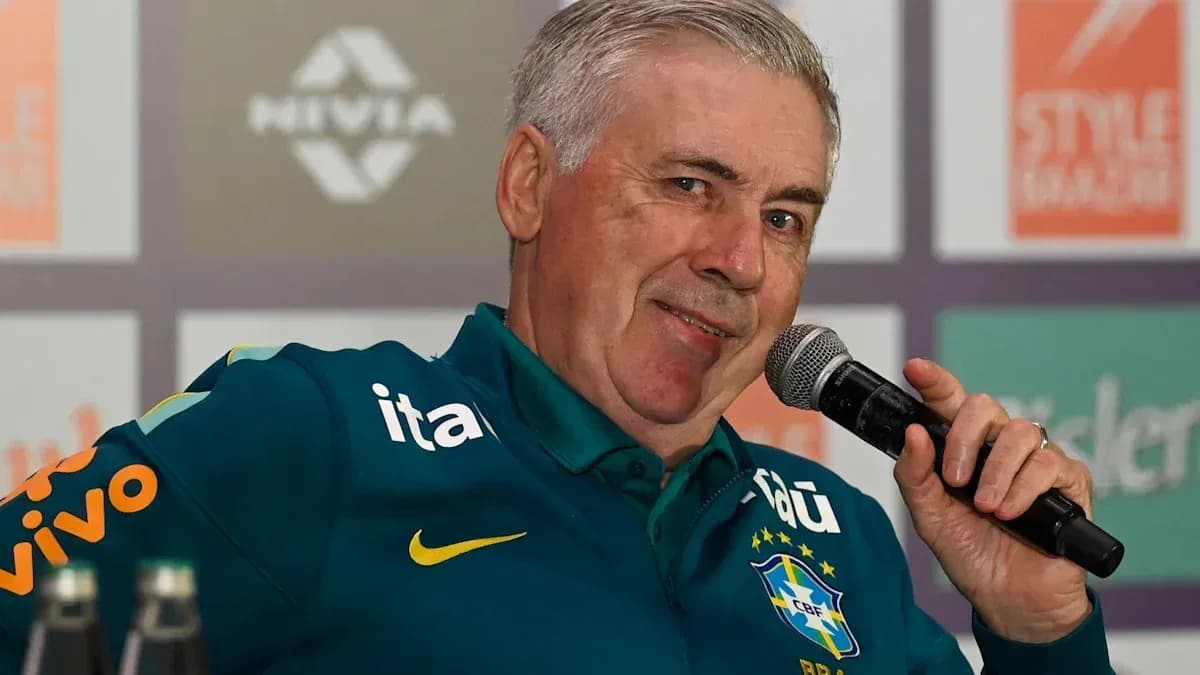
The message was clear and firm from the touchline to the boardroom: Raphinha is no longer just another wide option. He is now seen as a genuine attacking reference point for both club and country.
“Raphinha is doing very well here and at Barcelona. He's showing impressive quality at Barça and can play as a striker,” came the assessment in a calm but confident pre‑match press conference, a line that will not go unnoticed in Catalonia.
This was not just praise for form. It was a hint at evolution. A winger trusted to step into the most scrutinised role on the pitch, at a time when both Barcelona and the national team are searching for reliable goals and versatility in the final third.
The coach’s tone then shifted from tactical excitement to medical caution. The attacking reshuffle, he stressed, will never come at the cost of player welfare.
“The priority is always the player's health. If he can come in and be 100% fit, he'll play. We're going to monitor the minutes of all the players. We're going to evaluate everyone.”
That line underlined the reality of the modern calendar. Clubs worry about overload. National teams need results. The only way through is control, data, and trust.
“We have the necessary information to control each player's minutes. All the clubs can rest assured regarding the national team. We have a top-notch team. Their health is the priority, and they'll be ready for the return.”
It was both a promise and a challenge: Raphinha is ready to take on more responsibility in a new role, but only if the numbers – and his body – say yes.





