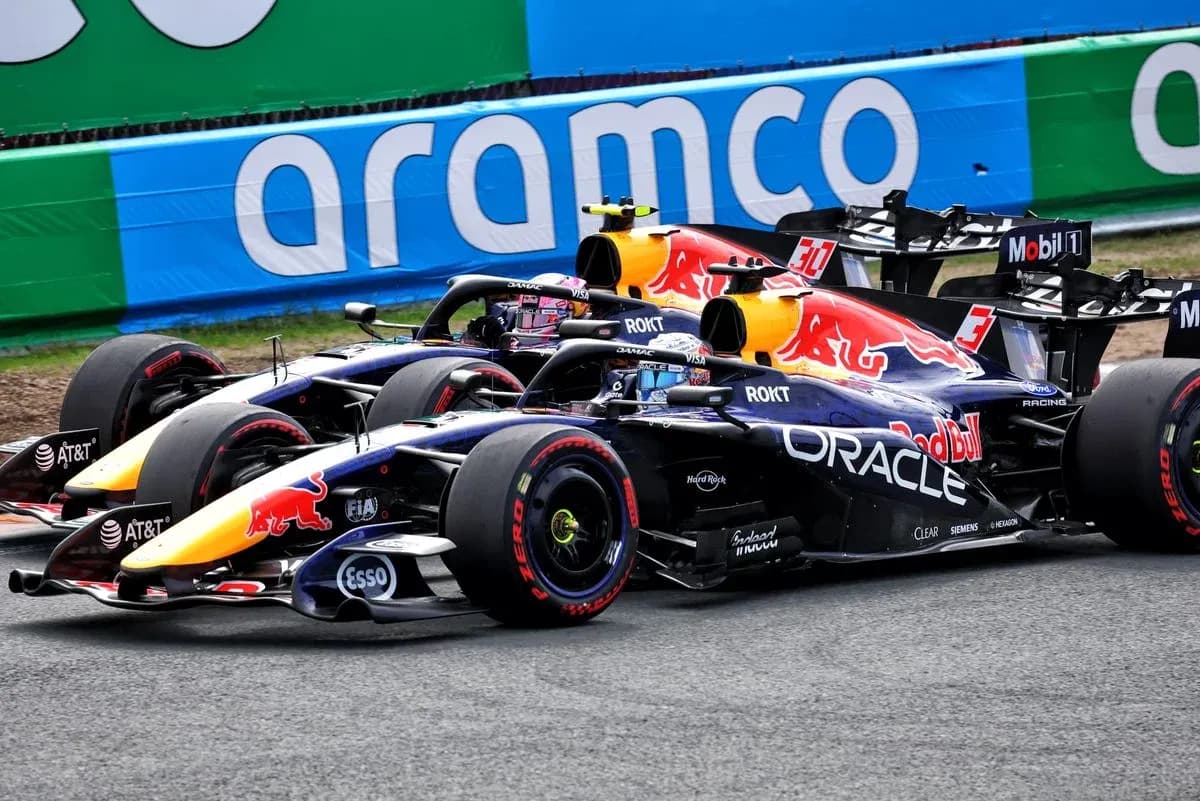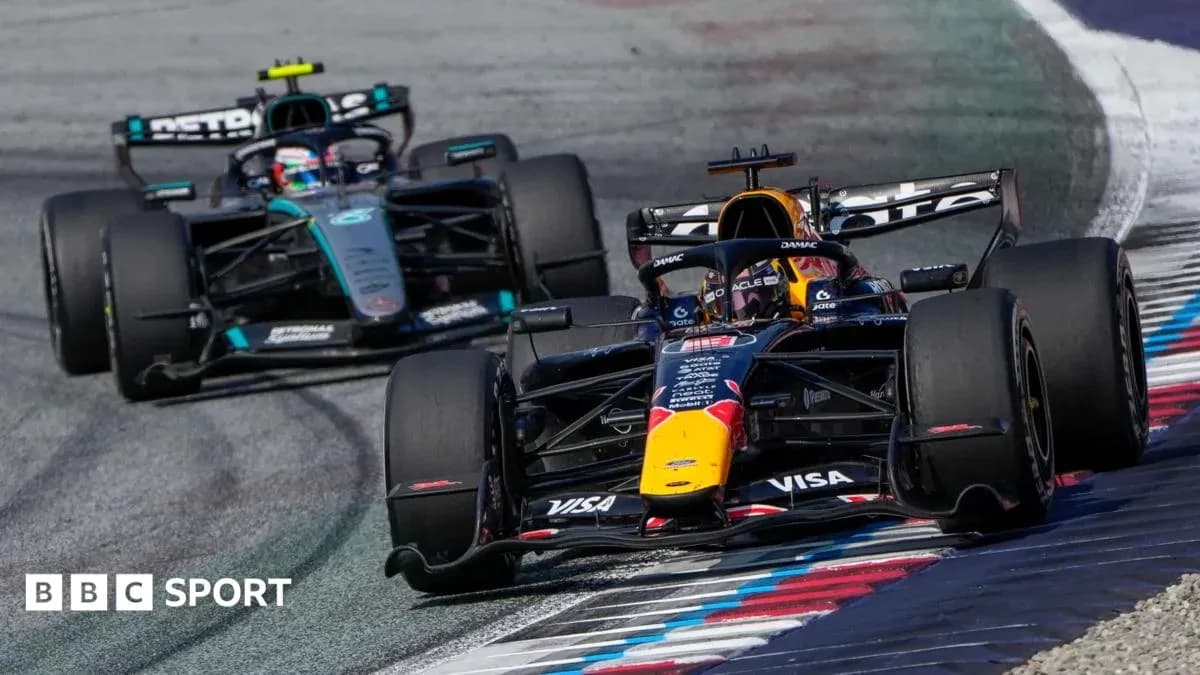
Red Bull have once again been told they possess the most powerful engine in Formula 1 – and they are anything but thrilled about it.
The latest rankings from governing body the FIA, released under this season’s new hybrid-era framework, mirror the findings from three months ago. On paper, Red Bull sit at the top of the internal combustion engine charts. In reality, the ruling slams the door on something they badly wanted: permission to upgrade.
Power on paper, frustration in reality
This year’s regulations introduced a new mechanism designed to help stragglers catch up. If a manufacturer is judged to have a significant power deficit, the FIA can grant extra development and upgrade opportunities under what is known as the Aduo programme.
That’s the golden ticket Red Bull had been hoping for. Instead, the numbers say their internal combustion engine is already the benchmark. No deficit, no extra development.
The twist? Up and down the paddock, Mercedes are still widely regarded as having the strongest overall power unit package. Their advantage is seen not just in raw grunt, but in the way their engine integrates with the hybrid systems, energy deployment, and drivability over a race distance.
A narrow measure in a complex era
The controversy sits in the detail of how the FIA measures performance. The Aduo system looks only at the internal combustion engine – the traditional engine block. It ignores the electrical side of the modern F1 power unit, which now contributes close to half of the total performance.
That means the MGU-K, MGU-H, battery systems, and energy recovery strategies are all out of scope. A manufacturer can top the charts in pure combustion power yet still trail in overall lap time if their hybrid systems lag behind.
Red Bull now find themselves boxed in by that technicality. On the FIA’s scale, they are too strong to qualify for help. On track, they still have to chase a Mercedes package many in the sport view as the class of the field.
In a formula where almost 50% of the performance comes from the electrical side, being “best” in just one half of the engine is a strange kind of victory.