The gi felt heavier than usual. The lungs did too.
In the end, neither mattered.
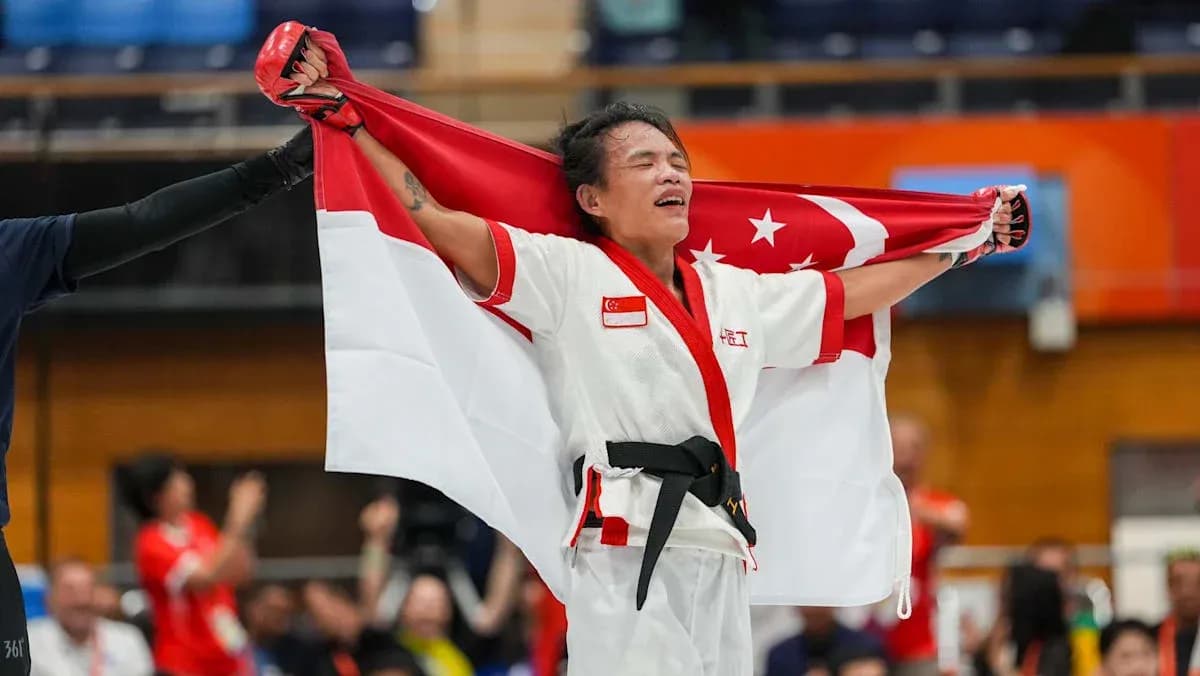
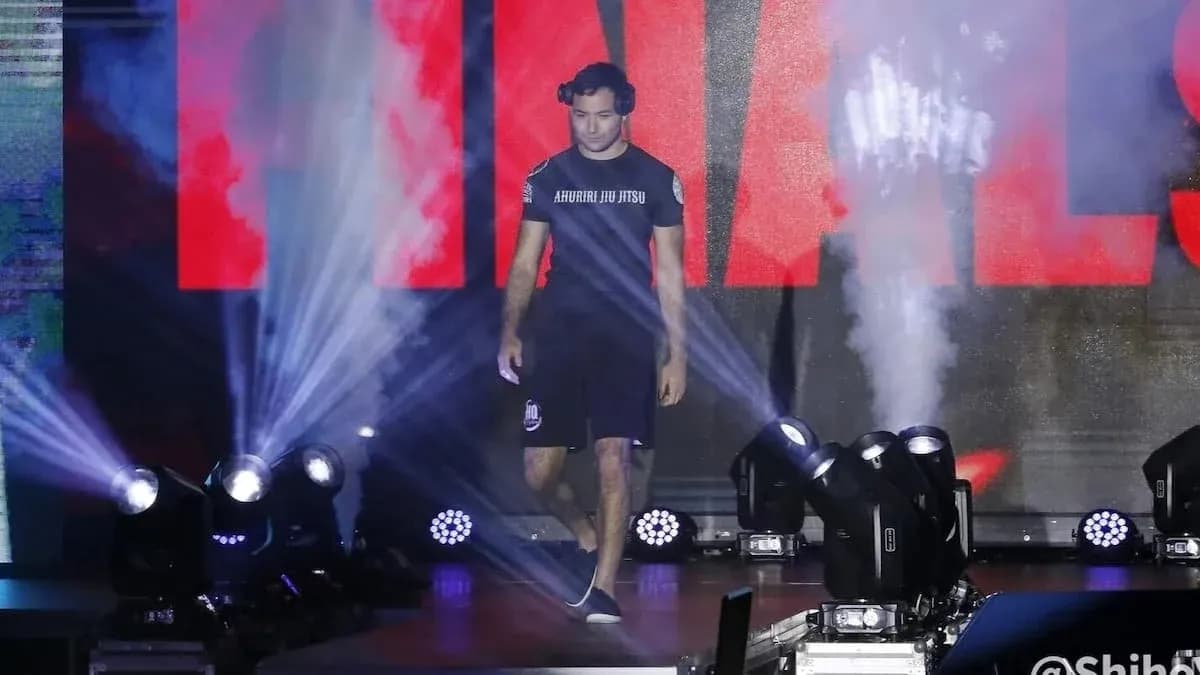
Rio walked out of a brutal winter and the toughest mental build-up of his career to claim his first international black belt gold, finishing both of his opponents in style and closing the tournament with a submission that carried the imprint of his late coach.
This was not a routine run through the brackets. It was a tribute on the mats.
From illness and loss to ruthless efficiency
The lead-up, by his own measure, was the worst he’d experienced. A winter illness hit hard, draining energy at the exact moment most athletes look to sharpen. Then came the real blow: the loss of his coach barely a month before competition. Grief and preparation rarely mix well.
Once the referee called them to the centre, though, the noise in his head faded.
Gi competitors wrapped in heavy cotton jackets and belts jostled for grips, fighting for sleeves, collars and hems to control and choke. No-Gi athletes moved nearby in tight synthetic tops and board shorts, hunting underhooks, wrist ties and body locks. Around them, divisions split by sex, belt, age and weight kept the tournament flowing.
Inside that structure, Rio carved his own path.
He tore through his first opponent, from Mongolia, with ruthless speed. An Aoki lock – a sharp, punishing footlock – ended the contest in the first minute. No feeling-out process. No time wasted.
The second fight, against a Mexican opponent, demanded more patience, more craft. The finish, when it came, was pure Rio and something more: a triangle choke that carried the fingerprints of the man who had taught it to him.
A finish for Damian Smith
For Rio, the medal itself sat in the background. The way he won it mattered more.
His coach, Damian Smith, was a triangle specialist, the kind of technician who could see the setup two moves before anyone else. Smith had built Rio’s understanding of the position over countless sessions and corner talks, drilling the angles, the grips, the timing.
So when the opening appeared in the final, Rio didn’t just see a chance to win. He saw a chance to honour.
He locked the triangle, tightened, and forced the tap. In that moment, the gold became secondary to the connection – back to every tournament where Smith had been in his corner, every adjustment, every word.
It was, as Rio saw it, the perfect way to end the tournament.
Built by a tight-knit bay
He walked away with his first international medal at black belt level, but insisted the podium wasn’t the point. What mattered was the journey that put him there: the rooms, the rounds, the people.
Rio paid tribute to his team at Gracie Allegiance Ahuriri and Gracie Allegiance Team New Zealand, and to the wider Brazilian Jiu-Jitsu community in Hawke’s Bay. In that region, gyms are close, faces are familiar and rivalries tend to stay friendly.
“You get nowhere in martial arts without good teammates and training partners,” he said, a simple line that explains most of his career. Train long enough in the bay and you end up knowing almost every mat, almost every regular. The scene is small, but it’s strong.
That network, those bodies and voices, shaped the athlete who could walk into an international bracket under-prepared on paper and still dominate.
Japan, more mats, and what comes next
Rio and his partner, fellow coach Yukako Mori, are staying in Japan for a few more weeks, visiting friends and squeezing in extra Brazilian Jiu-Jitsu and Judo training. No victory lap. More learning, more rounds, more time in the grind.
When they return to Hawke’s Bay, the plan is simple: keep teaching, keep training in Ahuriri, keep enjoying the sport that has carried him around the world.
For Rio, Jiu-Jitsu remains what it has always been – a way to learn to defend yourself, stay active without dreading the workout, and build friendships that last far beyond the final bow. The door, he insists, stays open to anyone who wants to step onto the mats.
He has his gold now, and a finish his coach would have recognised instantly. The real question is how many more stories he can write from that same tight-knit corner of the bay.