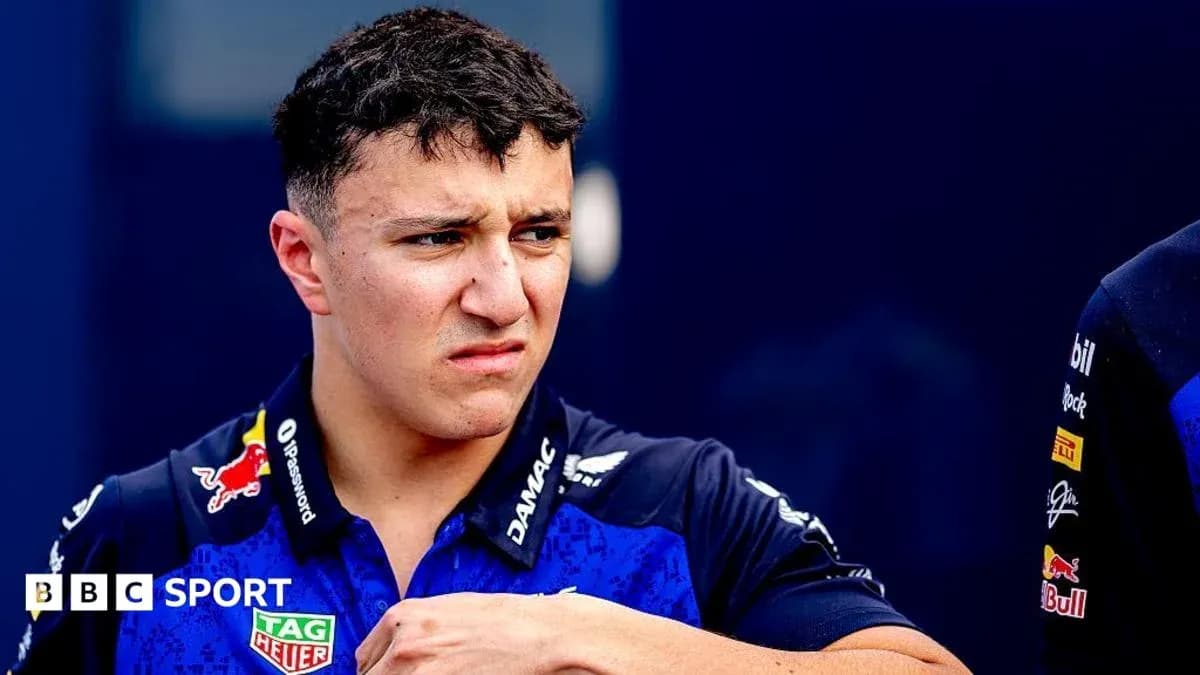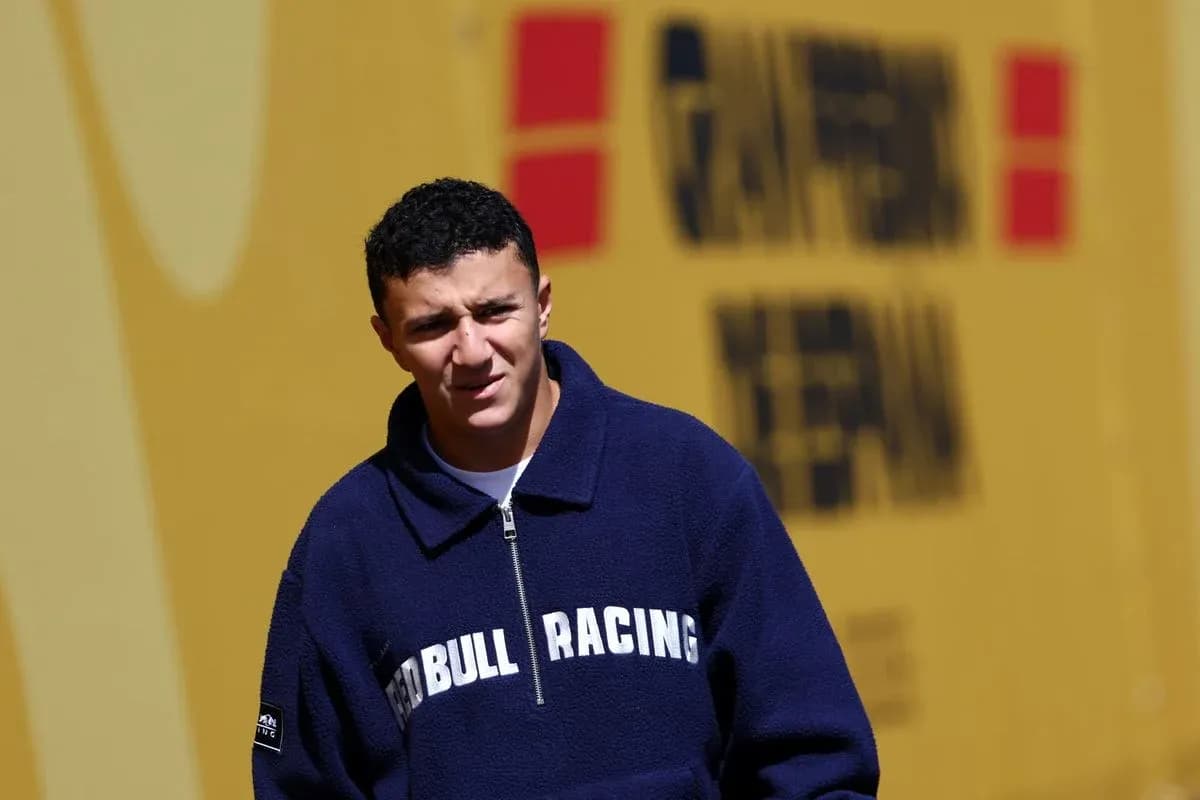
The Räikkönen name is back in Red Bull colours — this time with an 11‑year‑old at the wheel.
Robin Räikkönen, nicknamed “Ace” and already a standout in national and international karting, has been signed to the Red Bull junior driver program. The team has tagged him as “one of the most promising young talents of his generation”, a heavy label for a boy barely into secondary school, but one that fits the buzz in karting paddocks.
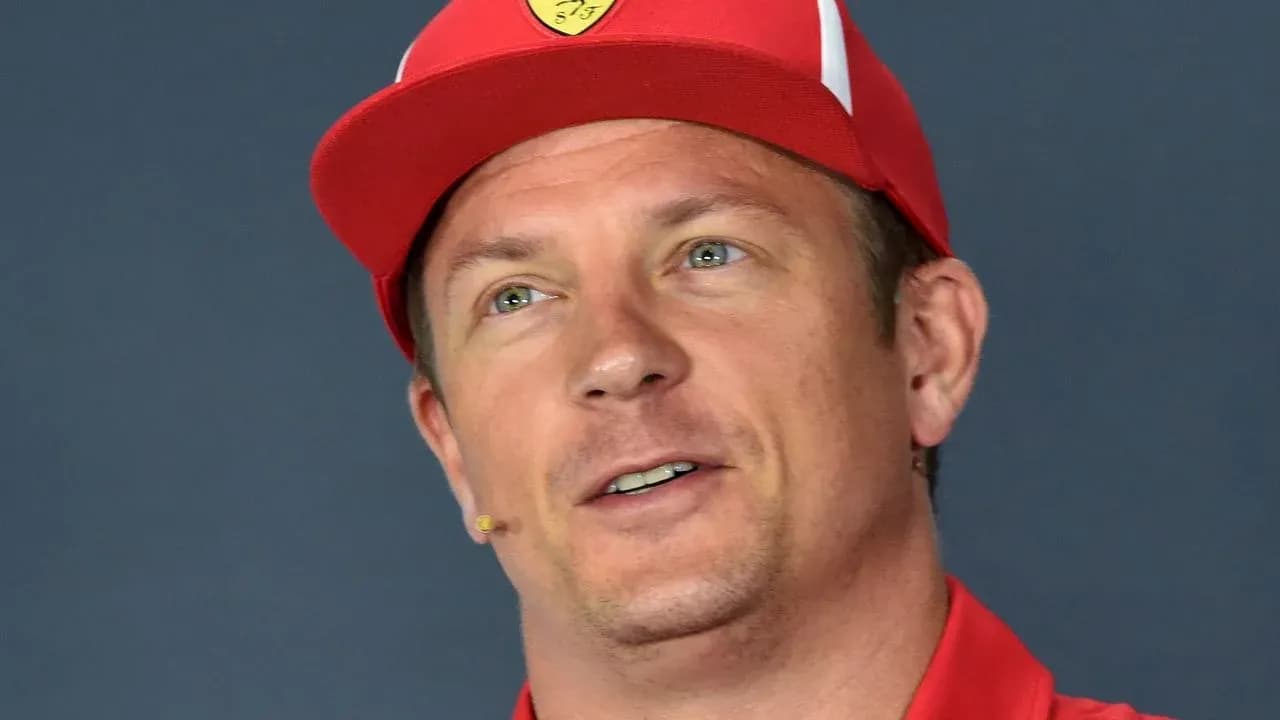
His father, of course, needs no introduction. Kimi Räikkönen, handed his own F1 break by the Red Bull‑backed Sauber team at just 21, went on to win 21 grands prix with McLaren and Ferrari and sealed the 2007 world title in red. Now, two decades after his debut, the family’s F1 story circles back to the energy drink giant that helped launch it.
“We are all thrilled and excited that Robin has been chosen to further his racing path as a member of the Red Bull junior team,” Kimi said, welcoming the deal and the backing behind it. He praised Laurent Mekies and the Red Bull organisation for the way they handled talks and for laying out what he called a compelling, long‑term plan to develop his son.
The program, he said, will give Robin “all the experience required to develop his natural talent”, something Kimi believes has already been “amply” displayed in his karting career.
Red Bull team boss Mekies struck a similar note but stressed that the journey will be a marathon, not a sprint.
“Robin has already demonstrated exceptional ability in karting,” he said. “His speed, racecraft and natural talent have established him as one of the most promising young drivers in his age group.” What has impressed the team just as much is his manner: a calm, focused 11‑year‑old who behaves like someone much older.
Red Bull is determined not to smother that potential. Mekies underlined that the goal is to move “step by step, without placing any unnecessary pressure on his shoulders”. The message is clear: no rush, no hype train they cannot control, just a deliberate build through the junior ranks with time, resources and a protective environment.
“We strongly believe that talent can thrive when supported by the right people, the right culture and the right environment,” Mekies said. The team sees itself as the architect of that environment and is “very much looking forward” to shaping Robin’s next steps alongside the Räikkönen family.
The move also reconnects one of Formula 1’s most famous surnames with the sport’s most talked‑about talent factory.
Red Bull’s junior program has long been the reference point in F1, a conveyor belt that has produced race winners like Sebastian Vettel, Daniel Ricciardo, Carlos Sainz and Pierre Gasly. Max Verstappen arrived in F1 through Red Bull’s junior squad Toro Rosso, even if he was not a full Red Bull‑backed prospect in his brief pre‑F1 career.
The rest of the grid has caught on. The once‑unmatched Red Bull machine now faces stiff competition from rival academies. Mercedes, for one, has turned its more compact but targeted junior scheme into a title‑contending pipeline, with championship leader Andrea Kimi Antonelli and teammate George Russell both products of the Silver Arrows system.
Red Bull has responded aggressively off the track. Earlier this year it poached Gwen Lagrue, the architect of Mercedes’s junior success, to take charge of its own program from 2027, following the exit of long‑time talent boss Helmut Marko at the end of last season.
Robin Räikkönen will grow up in that changing landscape, part of a new wave of prospects entering a far more crowded and sophisticated talent market than the one his father faced. The name on the timing screens will be familiar. The path he has to walk will not be.