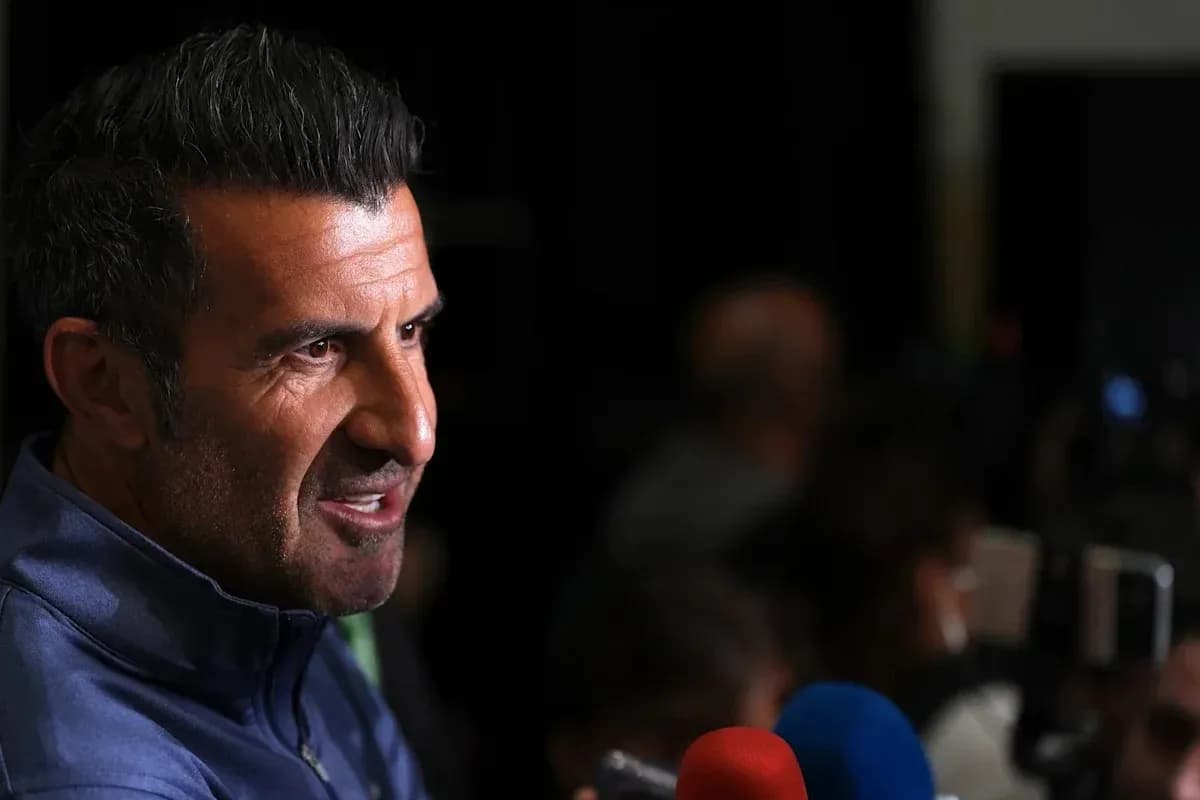
Ruben Amorim walked into the press room with the look of a man who has heard it all before. Criticism of his Milan? Of his ideas? Of his centre-forward? He shrugged it off in a way only someone forged at Manchester United can.
“More than that, it’s impossible,” he said, almost amused.
On the eve of Milan’s trip to Lazio, the Portuguese coach stood his ground. Three games into the season, two wins, one draw, and already a debate over style, risk, and identity is raging around San Siro. Amorim didn’t flinch.
Static against Juventus, and a lesson in details
The draw with Juventus has left a mark, not so much on the table as on the narrative. Milan were accused of being too cautious, too flat, too unlike the attacking project they were sold in the summer.
Amorim didn’t hide from the performance.
“The last game wasn’t just static; I think we lacked energy,” he admitted.
Milan kept the ball well in the first half, but when it mattered most, they faded. The aggression vanished in the final third, the penalty area became a no-go zone, and Juventus grew into the game.
The coach went back over the match with his players and didn’t like what he saw in the small print.
He highlighted how several Juventus chances were gifts: cheap turnovers, unforced errors, “just a sloppy pass.” No pressure, no trap sprung by the opponent. Just lapses. For Amorim, those are the details that flip momentum, that turn control into chaos. Training this week, he said, has been about cleaning that up.
Gonçalo Ramos felt the backlash more than most. Praised after strong displays against Torino and Venezia, his quieter night in Turin was immediately under the microscope.
“I think we need to improve as a team,” Amorim replied, refusing to throw the striker under the bus.
Ramos, he argued, set his own standard so high in the first two games that any drop is amplified. The issue, in his eyes, is collective understanding, not a single misfiring forward.
“It’s more about the understanding of the game from all the players in the team,” he stressed.
“The team will always be in first place”
If the criticism stings, Amorim doesn’t show it. He’s been here before, and at a club where the volume is always turned up.
“Criticism is normal. I already experienced that in my former club [Manchester United]. More than that, it’s impossible,” he said, drawing a clear line between pressure and panic.
He repeated one promise, almost like a mantra: the team comes first. Always.
“What I promise is that the team is always in first place,” he said.
Milan’s hierarchy brought him in with a clear brief: be positive, score goals, build an identity. That, he insists, remains the plan, even when the game tilts in the other direction.
Sometimes, he argued, the intention is there, but the opponent drags you somewhere else. Against Juventus, he pointed to Luciano Spalletti’s work, praising the way they pushed Milan back despite the Rossoneri enjoying more possession.
“Sometimes even when I have the ball, the other guy is better than me, but that doesn’t change the intention you have,” he said.
He bristled at the idea that Milan are random or improvised. Every pattern, he claimed, is deliberate, even if it demands a lot from the players. He knows how it looks from the outside: a foreign coach arriving to tell Italy how to play its own game. He knows people are waiting for a misstep.
“I understand that when you see a guy coming from abroad to say how to play your football, it is really hard, and in the first moment you are just waiting to tell me that in my face,” he said, without softening the edge.
Still, he came back to the same point: “The team will always be in first place.” The goal is to dominate, to impose his idea, but he’s not naïve about the level of the managers across from him.
“Spalletti, Fabregas, all these guys, they are really good and will push us,” he said.
In those games, he added, the key often lies in the final set pieces, in the last details. Win, and the toughest questions get “kept in the pocket for one more week.”
Cissé ready for Italy – but on his own timeline
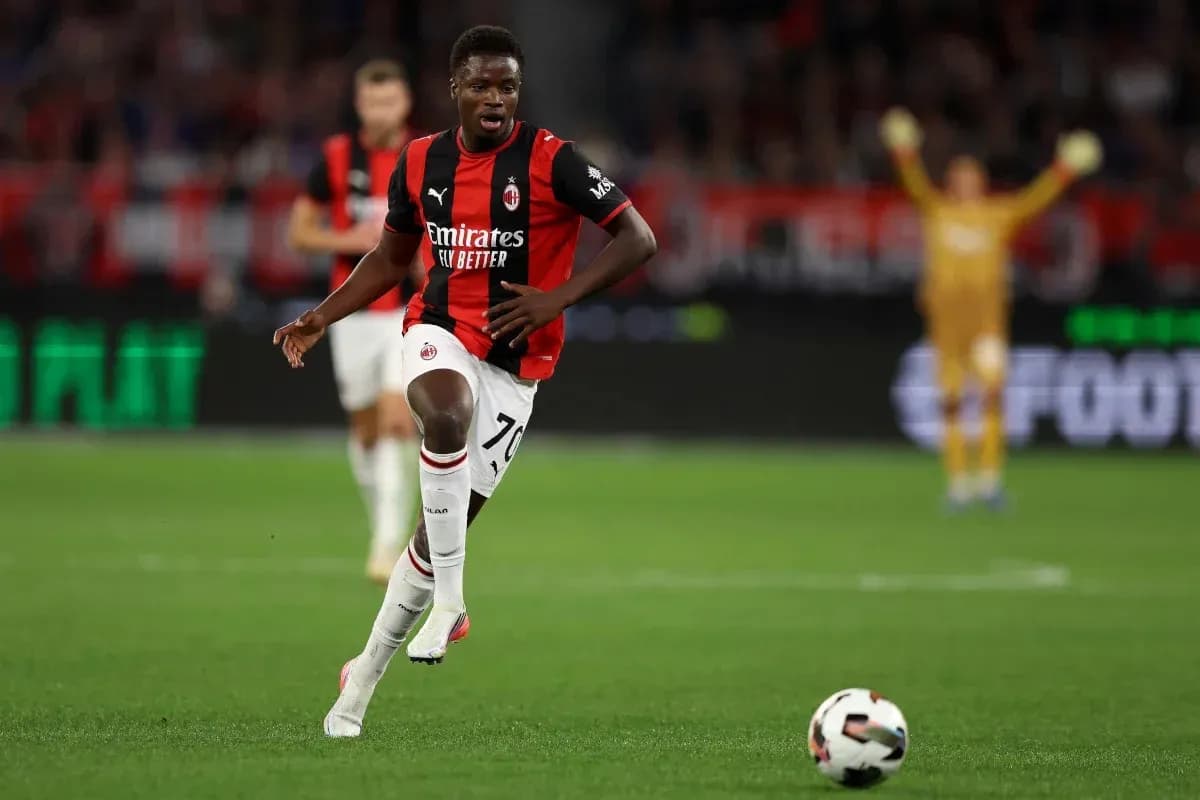
If there is a bright, unfiltered ray of optimism around Milan right now, it’s Alphadjo Cissé.
Two goals in three Serie A matches have put the 19-year-old on the brink of his first Italy call-up, with reports suggesting he’ll be in the Azzurri squad for the upcoming international break. Amorim didn’t hesitate when asked if the youngster is ready.
“If you put Cissé on the pitch, he’s going to play. Doesn’t matter if he’s with the national team, with Bastoni or with these guys,” he said.
“He’s going to play, free. For that, he’s ready.”
The caveat came immediately. Cissé, for all his talent, is still learning how to live with the weight of a stadium like San Siro. Amorim has already spotted a difference between the fearless version of the forward away from home and the more inhibited one under the glare of 70,000 Milanisti.
“San Siro is tough, so he needs to adjust to all these small things. Let’s give time to Cissé,” he urged.
The coach is convinced of one thing: put Cissé in a national-team training session, and he won’t shrink. He’ll ask for the ball, he’ll play his game, he won’t be shy. In that sense, he’s ready. But Amorim drew a clear line between being ready to compete and being the finished article.
“He needs time to be the player he can be. He has a lot to learn,” he said.
The message to Italy, and to Milan’s own fans, was the same: enjoy the talent, but don’t rush the process.
Pulisic “upset” and waiting
Not everyone is enjoying their role in this early stage of the season. Christian Pulisic, the USMNT star and one of the club’s marquee names, has yet to play a minute in 2026-27.
Amorim confirmed the winger will finally get his first minutes of the campaign against Lazio. He also acknowledged the obvious: Pulisic is “upset” by his lack of playing time in the opening three games.
For a player of his status, that frustration is inevitable. For Amorim, it’s also useful. Competition is part of the culture he wants to build, and the message was clear: even the biggest names have to wait their turn, but their moment will come.
Como’s Champions League surge and a pointed response
While Milan wrestle with expectations and aesthetics, another story has been unfolding in the north: Como’s Champions League start under Cesc Fabregas.
Como were the only Serie A side to win in the opening round of the competition, and they did it in style, dominating RB Leipzig. It didn’t take long for the comparison to surface: is Como’s project a model for Milan?
Amorim shut that down quickly.
“I think we are different managers, with different backgrounds and work for different clubs,” he replied.
He added that Gerry Cardinale has never presented Como as an “inspiration” for Milan.
“I have my way of playing; I think it will take time. Every manager needs time,” he said, pointing to signs of progress in matches against Torino and in the friendly with Manchester United.
Then came the line that drew a clear boundary.
“If you want a team that plays like Como, you need to buy Como’s manager to play the same way,” he said.
No imitation, no borrowed blueprint. Amorim insisted on his own identity, his own path.
“I’m completely different; I have my style of play, my identity,” he continued. Coaching Milan, he reminded everyone, is “really hard.” Coaching Como and thriving in the Champions League is “so hard” as well, and Fabregas “is doing so well,” but Amorim’s gaze is fixed on his own dressing room.
“I’m not focusing on how Como are playing; I focus on how Milan must play to win games,” he concluded.
The questions around him will not go away with one result in Rome. The criticism won’t quiet just because he says he’s used to it. But as Lazio await and Cissé edges closer to the Azzurri, Amorim has drawn his line in the sand: this Milan will live or die by his idea, not someone else’s template.