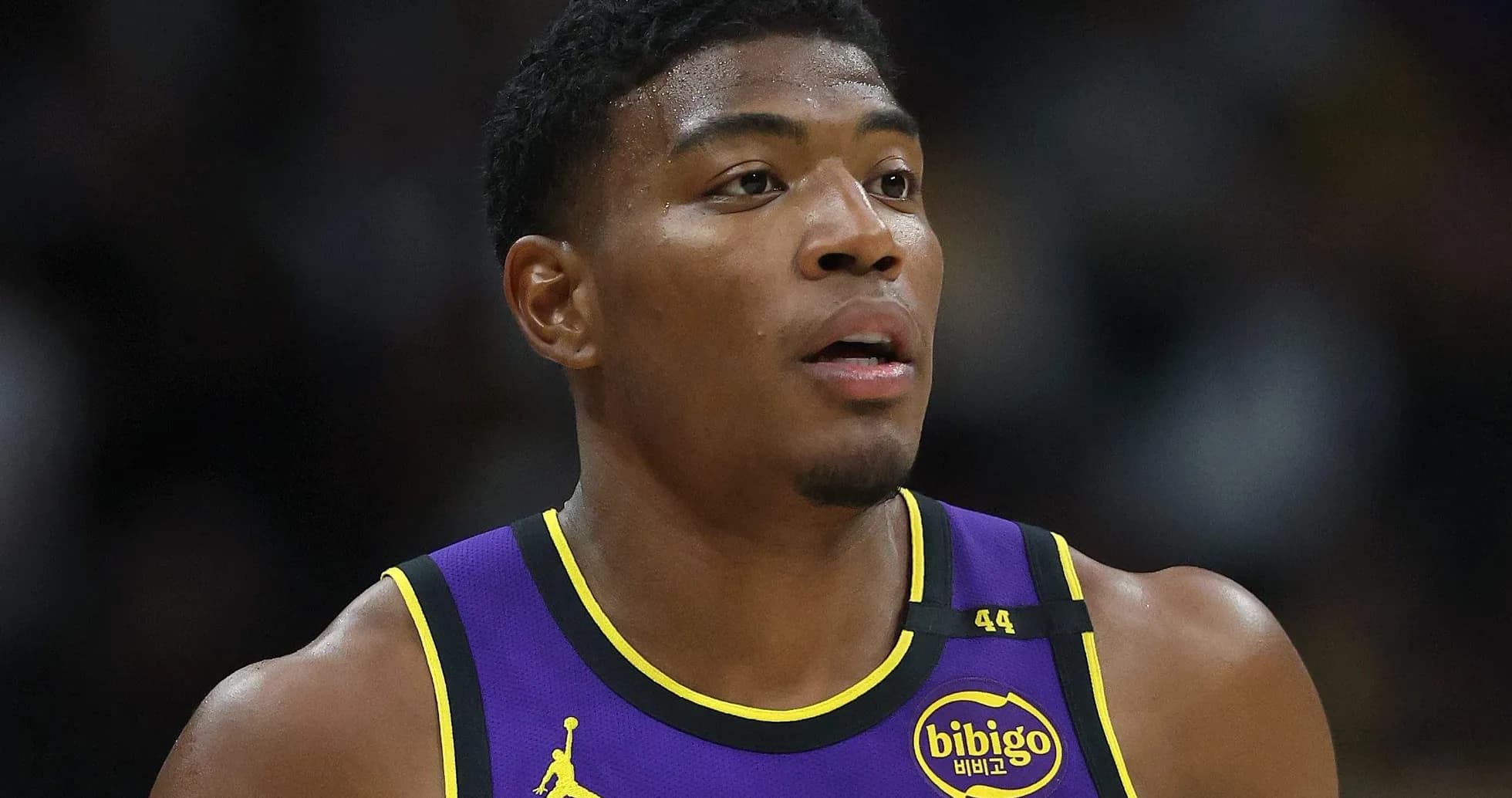
Rui Hachimura's Decision Amid Clippers Turmoil
The NBA dropped the hammer on the Clippers, and the shockwaves ran straight across Los Angeles.
Five future first-round picks gone. A historic punishment for salary-cap circumvention involving Kawhi Leonard. Fines for Leonard. A fine and suspension for Steve Ballmer. A franchise that had spent years selling itself as the league’s next great power suddenly looks fragile, exposed, and very, very expensive.
And somewhere in the middle of all that chaos sits Rui Hachimura.
A Cross-Town Move That Aged Overnight
Hachimura left the Lakers in free agency, choosing to stay in Los Angeles but swap purple-and-gold for Clippers colors. Two years, $28 million, with a team option on the second season. Same city. Same money. Very different reality now.
At 28, he could easily still be a Laker if the franchise had pushed harder. Instead, the Lakers let him walk, then turned their attention to Jonathan Kuminga. The Clippers offered continuity of lifestyle and a role on a supposed contender. On paper, it made sense.
Then the investigation ended. The penalties landed. And the Clippers’ future suddenly looked like a crater.
On X, San Antonio Spurs analyst Dusty Garza gave voice to the thought a lot of people were already having.
“Watching the Clippers implode today, you have to wonder if Rui Hachimura regrets his July free agency choice,” he wrote, before laying out the details: San Antonio had called with the full midlevel exception, ready to put him next to Victor Wembanyama on a contender stocked with draft capital and long-term upside. The money was the same — 2 years, $28 million — but the structure wasn’t. The Clippers deal came with that second-year team option. “Ouch!” as Garza put it.
When the Spurs sensed hesitation, they moved on and signed Tobias Harris. The window closed.
Spurs, Lakers, Clippers: One Decision, Three Storylines
In hindsight, the Spurs look like the clean choice. A rising star in Wembanyama. A front office hoarding picks. A clear runway to grow with a young core. Instead, Hachimura chose to stay in Los Angeles, a decision that clearly mattered to him and likely sat at the center of his choice.
NBA insider Brett Siegel added an important wrinkle earlier this offseason. According to his reporting, San Antonio never truly viewed Hachimura as a realistic long-term piece. The Spurs spoke with his camp but wanted veteran leadership on a short-term deal, not a deeper commitment. That’s why Harris topped their list. Their interest in Hachimura was limited.
So while the Spurs look like the “better” situation now, the reality is more complicated. The fit wasn’t as mutual as it might seem from the outside.
The Lakers’ side of this is more straightforward — and more uncomfortable.
They watched a proven, playoff-tested forward walk to the other locker room in the same building, then chased Kuminga. Hachimura is not just solid; he’s one of the most efficient 3-point shooters in the league. Last season, he hit 44.3 percent from deep, among the very best marks in the NBA, while averaging 11.5 points per game. When the lights got brighter, he got hotter: 57 percent from three in the postseason, nearly 18 points a night. Those aren’t empty numbers. That’s a weapon.
He also fit their locker room. He had strong relationships with Luka Doncic and Austin Reaves and had already shown he could thrive next to stars.
Now the Lakers are still searching for answers at starting power forward. They’re juggling options, experimenting, trying to patch together what they once had organically in Hachimura.
A Choice That Won’t Go Away
For the Clippers, the punishment reshapes everything. Five future first-round picks is not a slap on the wrist. It’s a fundamental hit to how a franchise builds, trades, and dreams. Players notice that. Agents notice that. Anyone who signed up for stability suddenly has to squint to see it.
Hachimura didn’t cause any of this, but he’s caught inside it. He chose familiarity, geography, and a version of contention that, at the time, looked credible. Now, the franchise around him is paying for past decisions, and his own deal includes a team option that hands control of his near future to a front office under pressure.
Would the Lakers be better today if he were still on their roster? It doesn’t take much imagination to say yes. Would the Spurs have been a cleaner basketball situation? Almost certainly. But the league doesn’t freeze for anyone. Contracts get signed, investigations end, and the ground shifts under players’ feet.
The question now isn’t what Hachimura should have done in July.
It’s what his next move will be in a league that just reminded everyone how quickly a “safe” choice can explode.