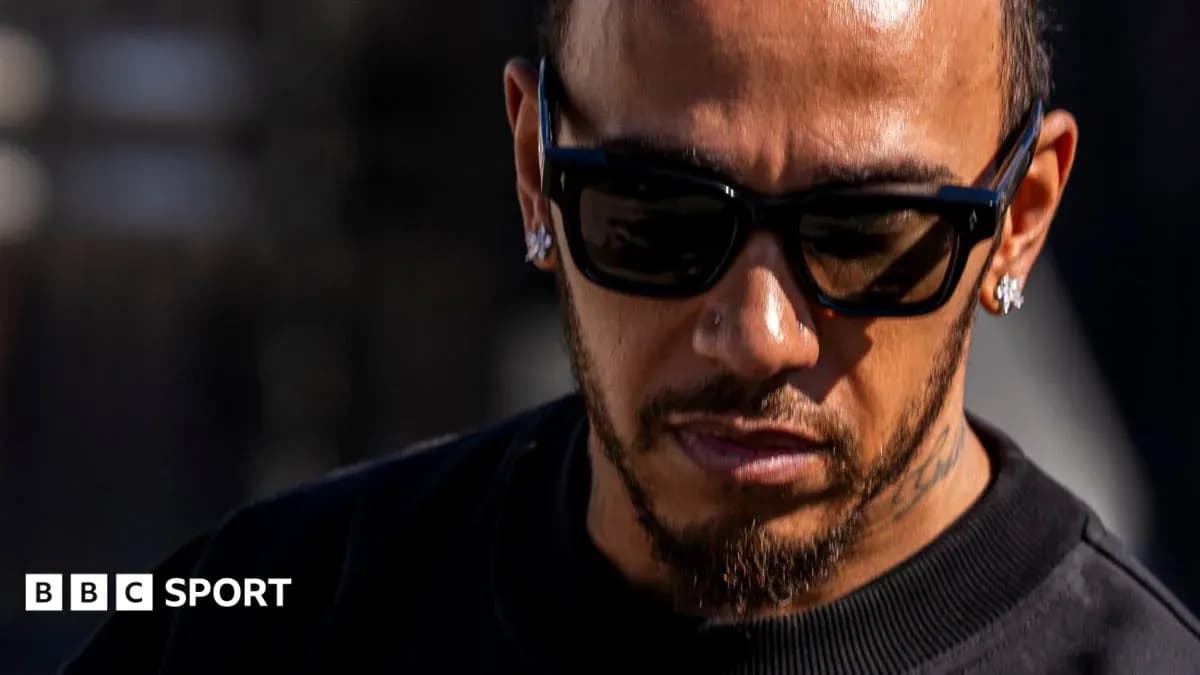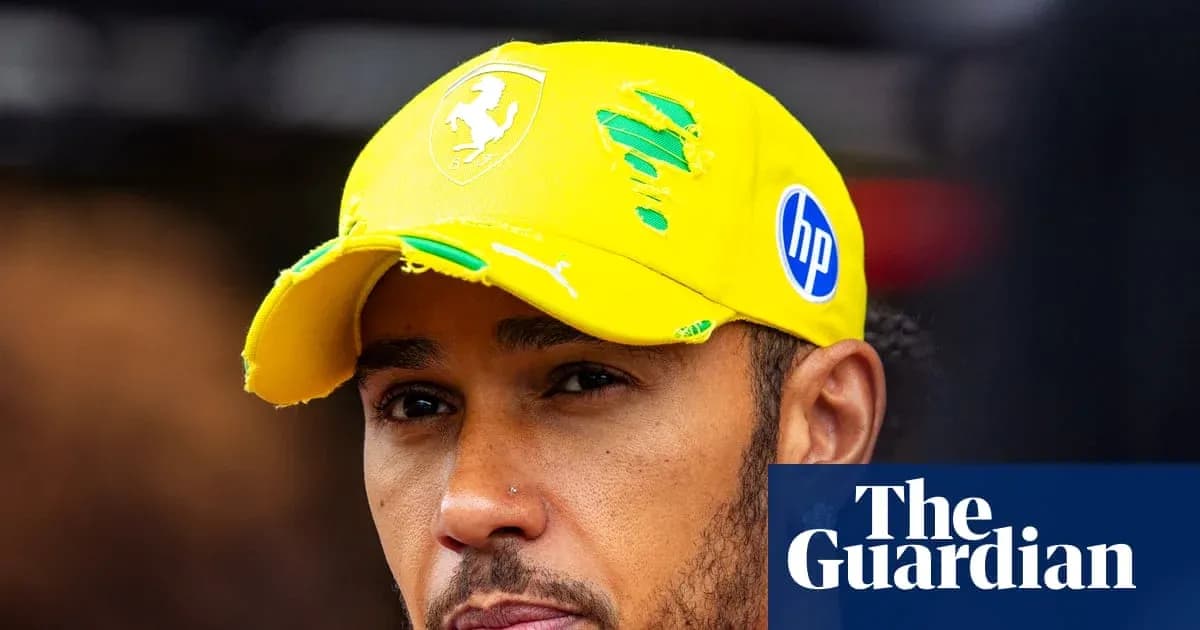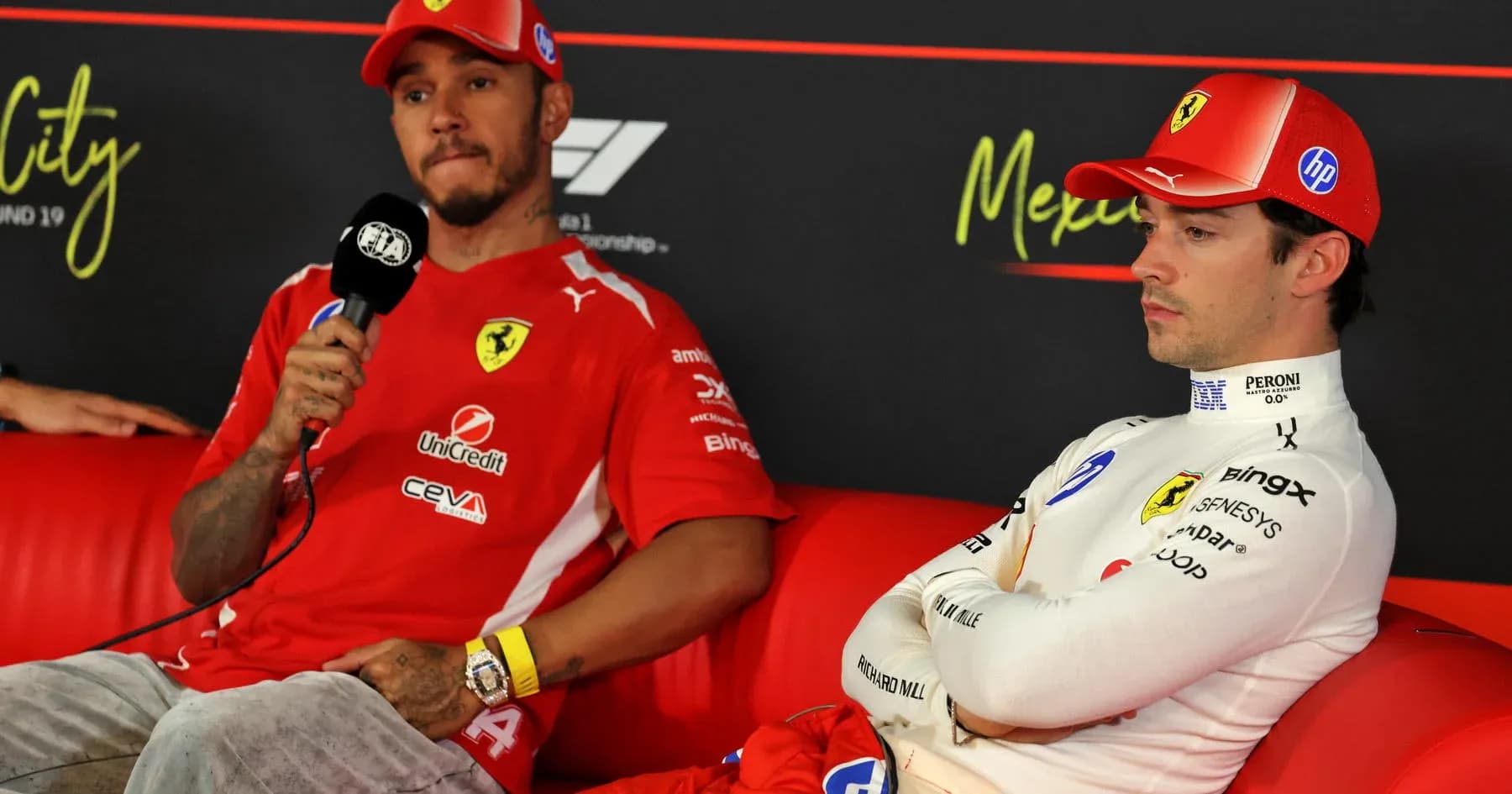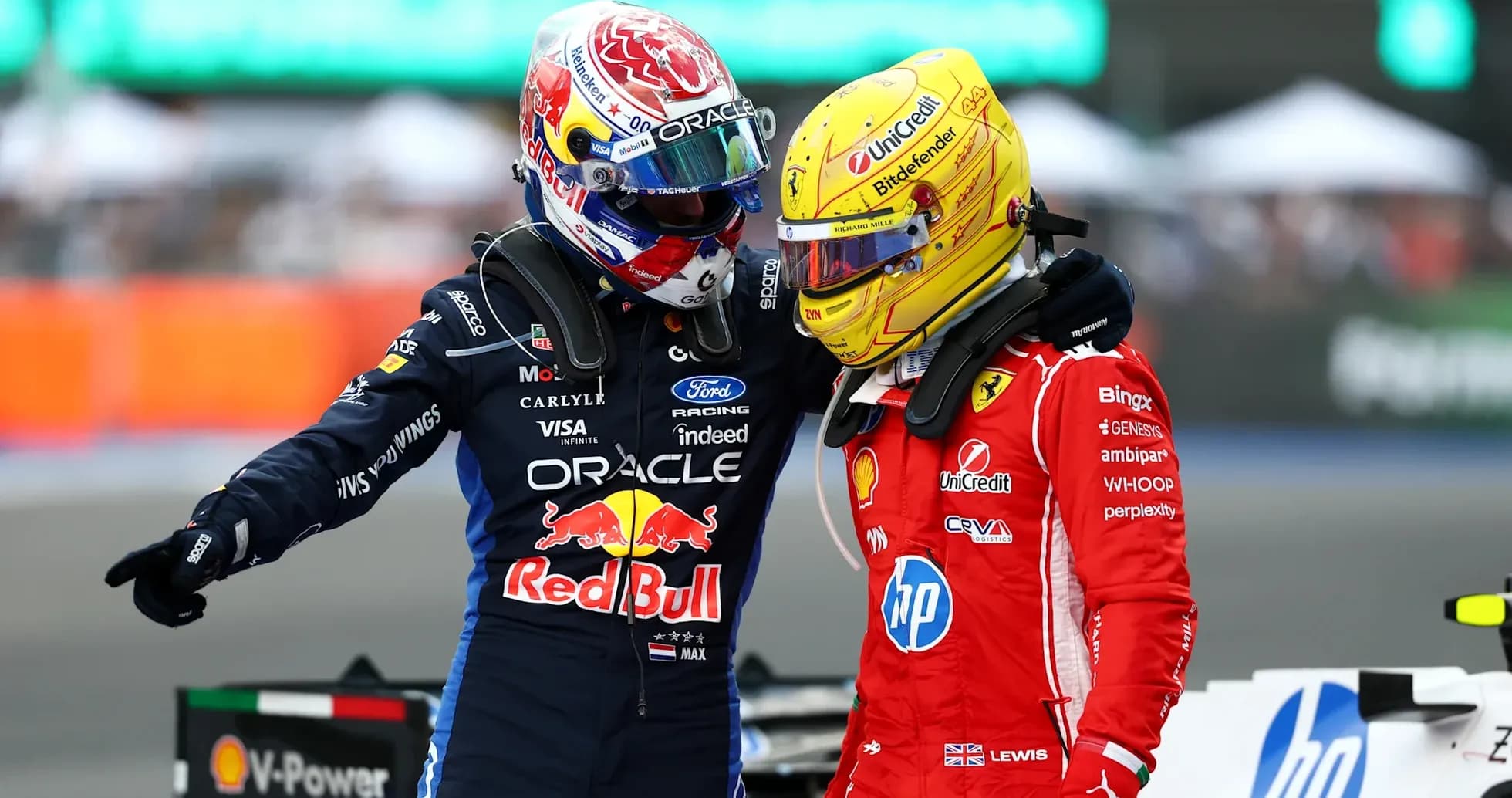
The São Paulo Grand Prix weekend has been thrown into chaos before a wheel has turned in anger, with Lewis Hamilton, Max Verstappen and Charles Leclerc all hit with sizeable grid penalties after fresh power unit changes.
Ferrari have pushed beyond the season allocation for the Internal Combustion Engine on both Hamilton’s and Leclerc’s cars, triggering 10-place grid drops apiece. It’s a bold play at Interlagos, a circuit where engine power and straight-line punch can transform a Sunday.
Red Bull have gone even further with Verstappen. The reigning champion’s car has taken new ICE, Turbo Charger and Exhaust components, pushing him over the permitted limits and landing him a back-of-the-grid start. For a driver who has turned damage limitation into an art form over the past few seasons, this is another test of his racecraft and Red Bull’s strategy machine.
There was another twist in the engine story. 2026 entrants Cadillac, already laying foundations in the paddock, have supplied Sergio Perez with a new Ferrari ICE, Turbo Charger and MGU-K. The change also comes at a cost: a grid drop for the Mexican, adding yet another big name to the list of drivers fighting uphill on Sunday.
The penalties follow the sporting regulations to the letter. The first time a driver exceeds the allocation of any power unit element, they receive a 10-place grid penalty. Every further breach of that same element brings a five-place drop, with all penalties at a given event stacking up. Once a driver’s total hit passes 15 places, the rules are blunt: they start at the back of the field, no matter what they did in qualifying.
It means Hamilton, Verstappen and Leclerc will all tumble down the order from wherever they land in Saturday qualifying, turning Sunday’s Grand Prix into a series of recovery missions from three of the sport’s biggest hitters.
Interlagos, of course, knows this script well.
Hamilton produced one of the defining drives of his career here in 2021. Disqualified from Friday qualifying for a DRS infringement, sent to the back for the Sprint, then slapped with a further five-place drop for an engine change, he carved through the field across both races to win in astonishing fashion. The crowd roared him forward then. They may get another charge to remember.
Verstappen, too, has history with Brazilian comebacks. In 2024 he started 17th after a wild qualifying session and an engine penalty, then cut through the pack to victory. A year later in 2025, Red Bull made sweeping changes to his car after another difficult Saturday, forcing a start from the pit lane. He still hauled it to third. Give Verstappen a fast car and traffic, and he usually finds a way out.
This weekend, he’ll need all of that instinct again.
Ferrari’s gamble on fresh hardware for Hamilton and Leclerc hints at a longer game: accept pain now for more freedom and performance in the run-in. The same goes for Red Bull with Verstappen, who has often been untouchable in clean air and ruthless in traffic. If Sunday stays dry and relatively clean, the midfield may feel very exposed.
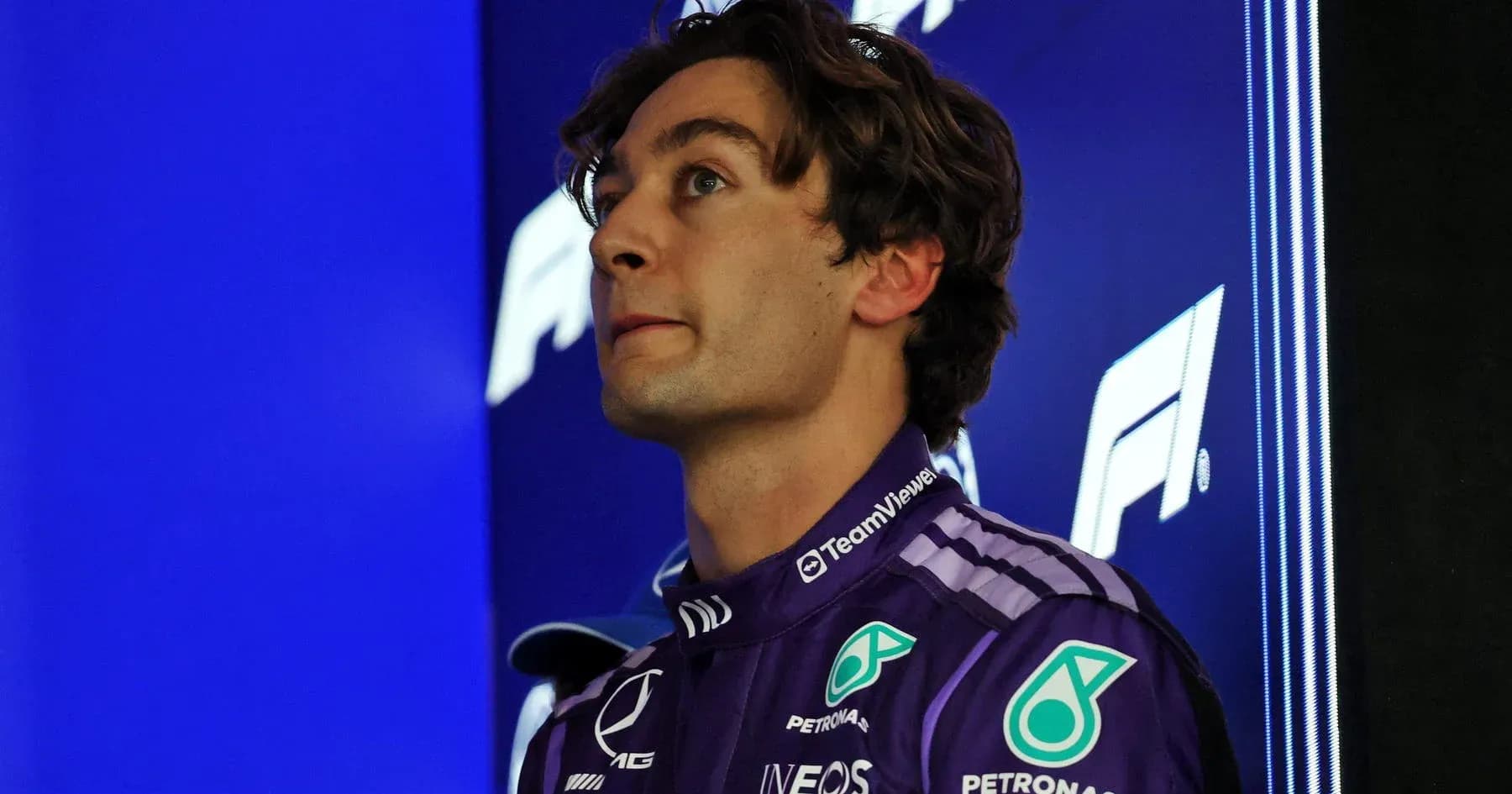
There’s more. George Russell has already confirmed he will also take a five-place grid penalty for an engine change on his Mercedes, dropping yet another quick car into the traffic zone. The opening laps could be frantic, with proven race winners slicing through cars that normally never see them on track.
Qualifying will still matter, of course, for track position among the penalised drivers and for those at the front who sense a rare chance. But the real story of this São Paulo weekend may not be written on Saturday at all. It might be written on Sunday, in overtakes into Turn 1, lunges into Descida do Lago, and the sight of three champions fighting their way back from the wrong end of the grid.