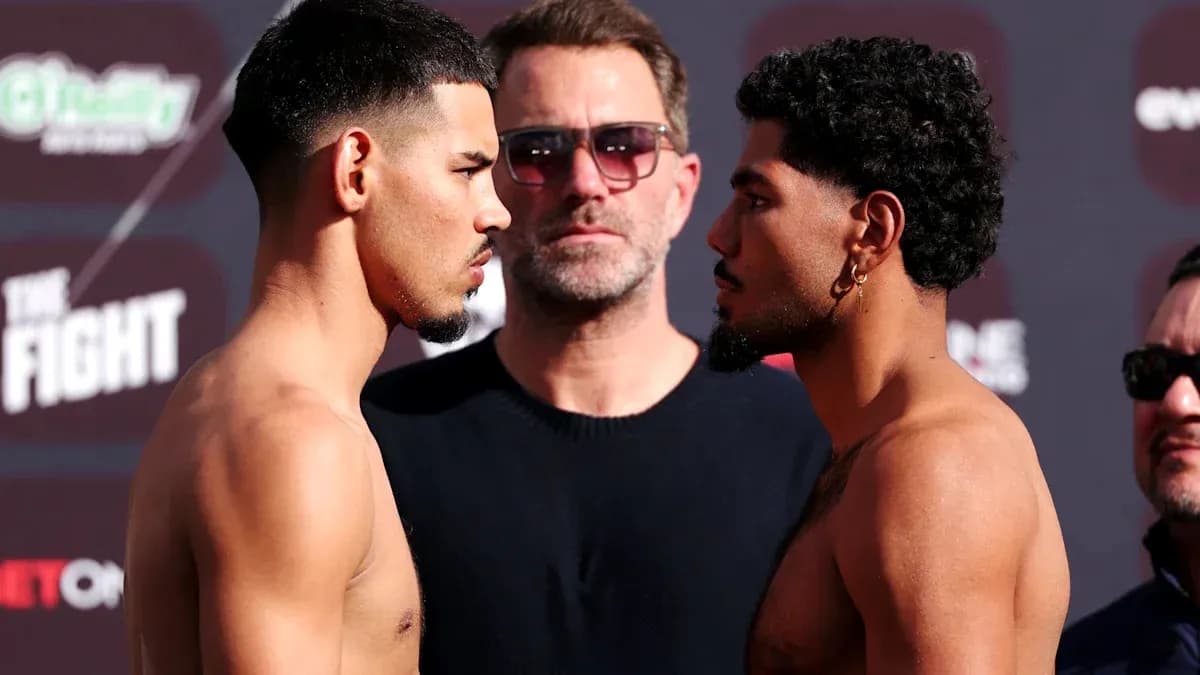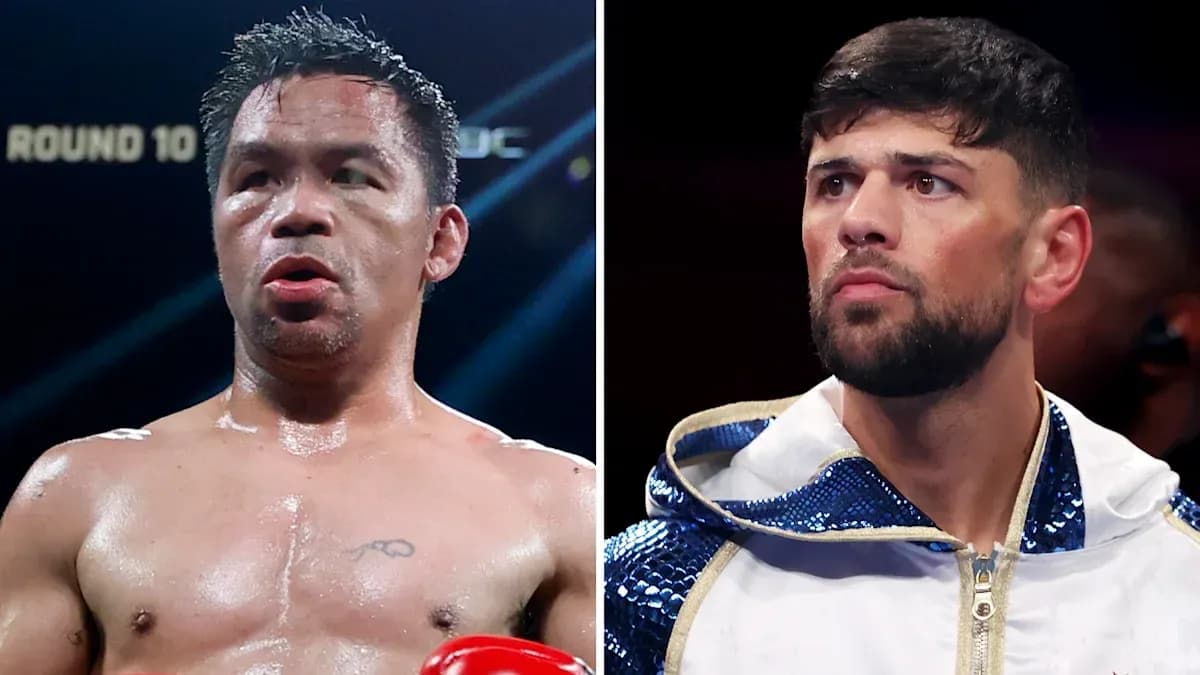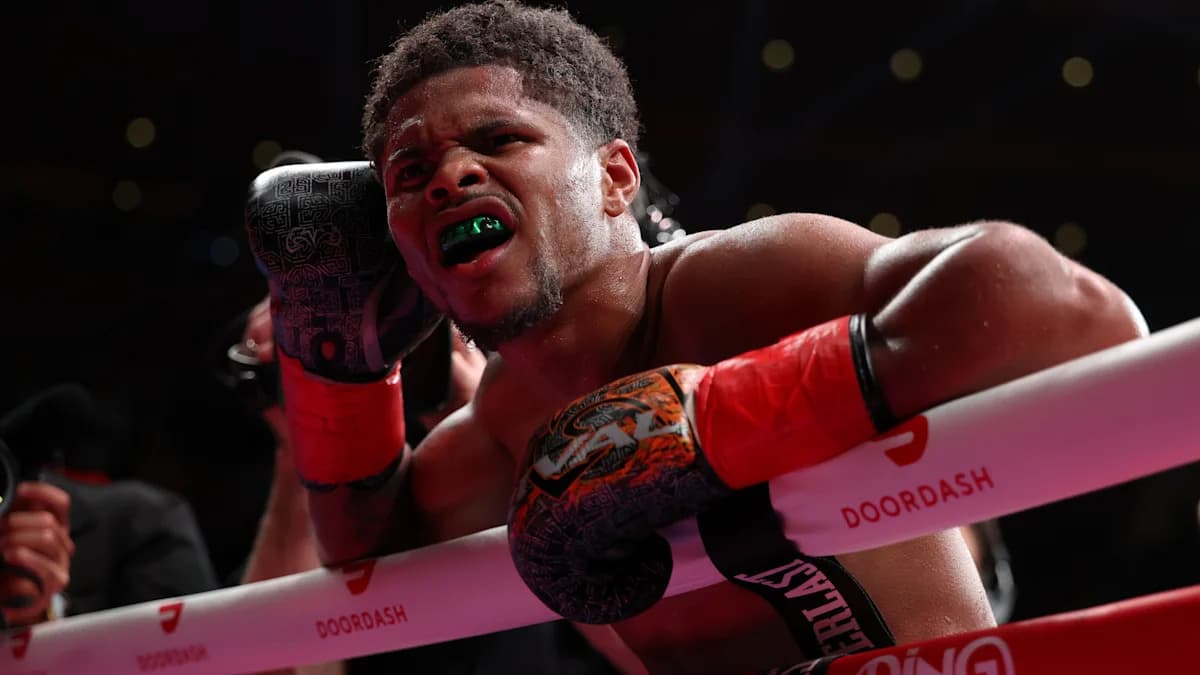
Shakur Stevenson, the WBO super lightweight champion and one of boxing’s top pound-for-pound fighters, has ended his contract with Dana White's Zuffa Boxing. After months of negotiations without a single fight, Stevenson's exit highlights a major challenge for Dana White: signing a star does not guarantee control over the fights that boost that star’s value.
The Power Struggle in Boxing vs UFC
The UFC operates with clear dominance over its fighters’ matchups and platforms, forcing fighters to accept or wait for opportunities. White’s company, TKO, controlling both UFC and WWE, assumed it could bring the same structure to boxing. But with Stevenson, the balance of power was quite different. Key opponents weren’t part of Zuffa’s roster, meaning scheduling, purses, and willingness to fight were out of White’s hands.
Early Attempts and Obstacles
White’s initial plan for Stevenson to face Jose Rayo Valenzuela, Zuffa’s most prominent lightweight, was quickly dismissed by Stevenson. White, who initially avoided working with other promoters, soon had to look outside his stable.
Efforts to arrange a unification bout with WBA champion Gary Antuanne Russell fell through because Russell demanded $3 million, more than Zuffa wanted to pay. Other options like mandatory defenses and fights on major undercards were blocked by financial disagreements.
Trying to Make Stevenson vs. Haney Happen
With no fights lined up within Zuffa, attention turned to a possible matchup against WBO welterweight champion Devin Haney. Earlier talks had been promising until Haney signed with DAZN, making a fight complicated due to network differences.
Zuffa eventually allowed Stevenson to pursue a fight on DAZN, signaling a surrender of control. Yet, disagreements about money and weight prevented the matchup from materializing.
- Stevenson’s demand: approximately $15 million for fights against Haney or Valenzuela
- Zuffa’s offer: $7 million
Stevenson grew frustrated, seeing himself on par with other stars like Conor Benn, who earned $15 million in his Zuffa debut. His demands reflected the bargaining power of boxing stars who enjoy freedom to accept or reject fights.
The Core Problem for Zuffa
Signing big names doesn’t guarantee the fights that make those signings valuable. Most potential opponents are tied to rival promoters and broadcasters. Even if Zuffa signs Ryan Garcia, who has two fights left on his DAZN contract, they would face the same challenge of arranging fights with stars outside their control.
Stevenson’s Next Steps
Now a free agent, Stevenson plans to start his own promotional company and wants to work with any promoter serious about his career. Most of his potential opponents—Garcia, Haney, Russell, Muratalla, Dalton Smith, Floyd Schofield—fight on DAZN, making a move there logical.
"This time, I want to tell the fans and everyone in the public that I’m now taking my career into my own hands, starting my own promotional company, and I’m willing to work with other promoters and anybody else that’s serious about my career." – Shakur Stevenson
Stevenson was offered a deal directly by DAZN earlier this year, similar to his Zuffa offer. But now, with DAZN holding many of the sport’s top fighters and Zuffa out of the picture, DAZN holds more leverage, possibly lowering the offers he can command.
Joining DAZN could align Stevenson with his desired opponents but won't erase the issues over purse sizes and weight class disagreements that spoiled previous deals.
Stevenson has regained control of his path. Whether he can find compromise to secure meaningful fights remains to be seen.