
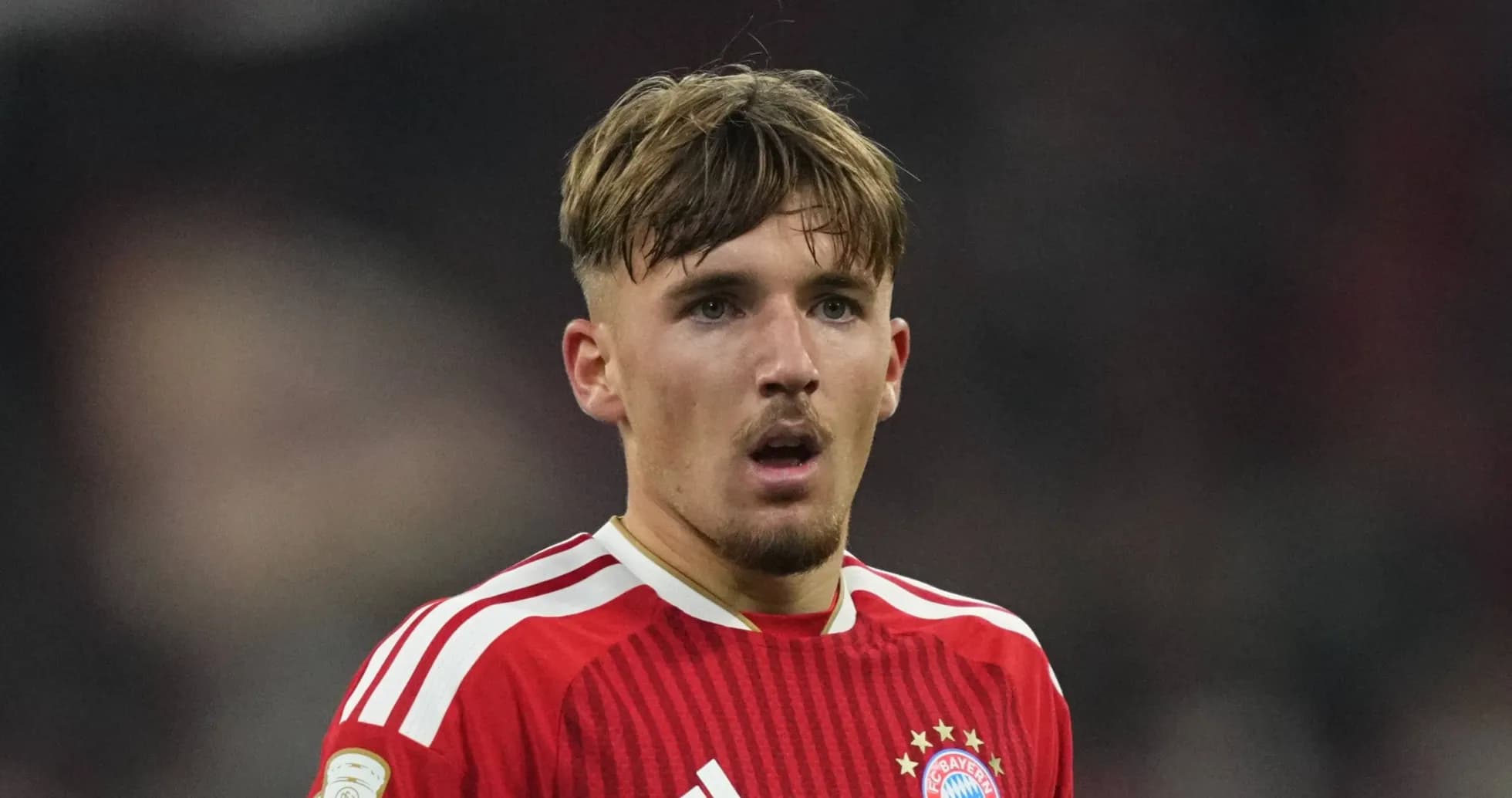
Simon Danks has spent most of his career in the shadows, shaping futures rather than grabbing headlines. On Friday, with Vincent Kompany sidelined by illness, he stepped into the spotlight and used it to protect one of the club’s most talked‑about prospects.
"I have been a coach for a long time and have spent most of that time working with young players," Danks reminded the room, leaning on his years in youth development with the English FA. The subject was Lennart Karl, the 18-year-old winger whose rise, stall and scrutiny have become a running theme of the season.
A rollercoaster, not a straight line
Karl’s story was supposed to be simple. Breakthrough last autumn, electric on the right flank, the kind of fearless talent that makes a fanbase lean forward in its seat. Then reality intervened.
Injuries chopped up his second half of the campaign. Rhythm disappeared. The World Cup came and went without him. The new season started, and with it came disappointment: off-colour performances, a player searching for his touch and his conviction.
Danks refused to dress it up, but he refused to condemn him either.
"What Lenny is going through right now is completely normal," he said. "Everyone expects and hopes that the path will lead straight to the top. But in reality it is like a rollercoaster: there are highs and lows, fluctuations in performance, moments of great confidence and moments of little confidence. We believe in him, stand behind him and encourage him to work hard."
That word – rollercoaster – fits. Karl has looked like two different players within the same year.
Signs of life on the right flank
The last week has offered something different. Against 1. FC Magdeburg on Wednesday, in a 6-1 win, Karl finally played like a young attacker shaking off the weight on his shoulders.
He threaded a clever through ball in the build-up to Michael Olise’s opener for 1-0, then later laid on the fourth goal with another sharp contribution. Not a complete transformation, but a performance that at least hinted at the player who burst onto the scene.
"In the last two games, he has shown some really positive signs," Danks said. "He has worked hard, carried out his defensive duties for the team very well and shown moments of real quality."
The numbers tell their own, quieter story. This season Karl has logged 443 minutes across 11 appearances, with one goal and two assists. For an 18-year-old, that is not insignificant. For a club that talks about him as a future star, it is less than many expected.
Hoeneß and Eberl turn up the heat
Inside the club, patience has been mixed with pointed criticism. Not so much about his left foot or his pressing, but about everything that surrounds the modern young professional.
Several senior figures have taken issue with Karl’s behaviour off the pitch and on social media. Honorary president Uli Hoeneß went public, announcing he would have a "serious conversation" with the teenager. When Hoeneß uses that phrase, everyone in German football knows what it means.
Sporting director Max Eberl followed up after the Magdeburg game, speaking of "one or two missteps" and issuing a clear challenge: "Lenny has to show on the pitch that he is coming out of this slump."
The message from above is blunt. The margin for error is narrowing.
Dortmund next – and a different role for Karl
Now comes the kind of fixture that defines a month. Borussia Dortmund, Saturday evening, the Bundesliga’s top match under the floodlights.
Karl will almost certainly not be at the heart of it from the first whistle. He is expected to start on the bench, an option rather than a headline act, a substitute who may be asked to change a game rather than control it.
For Danks, who stepped in for Kompany and wrapped his arm around the youngster in public, that is part of the process. For Karl, it is the next test. Not of talent – that has never really been in doubt – but of how quickly an 18-year-old can turn a rollercoaster into a real career.





