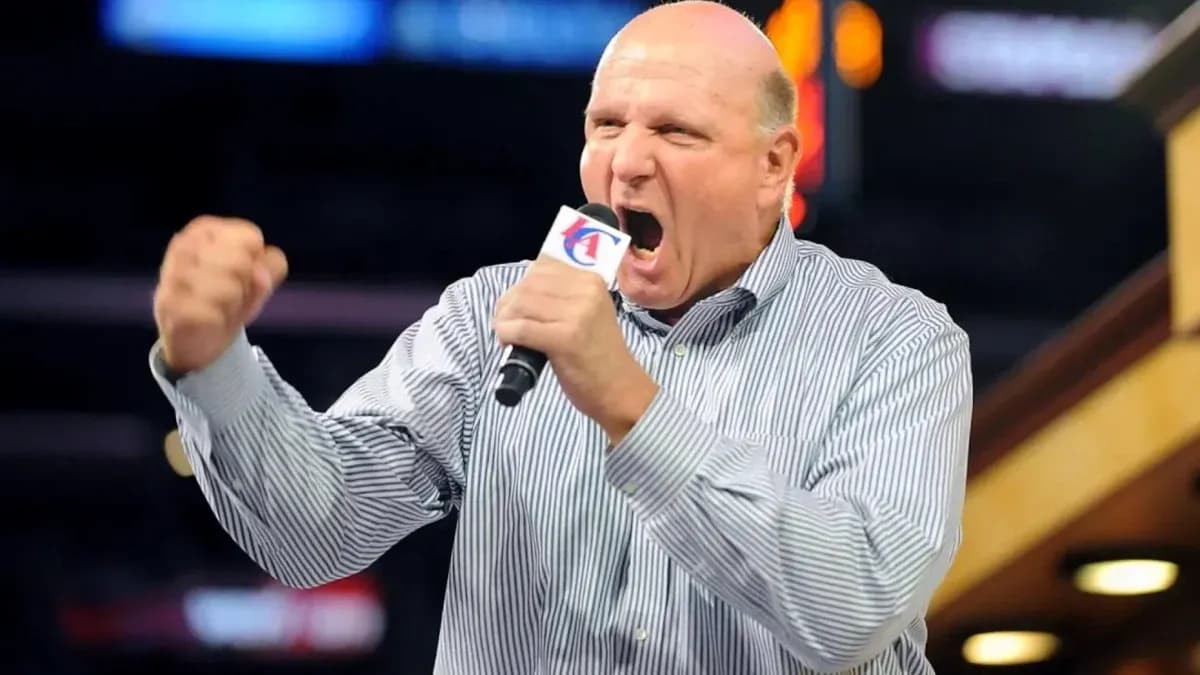
Steve Ballmer Accepts NBA Sanctions Amid Clippers' Salary Cap Scandal
Steve Ballmer has stopped fighting.
After months of defiance, legal posturing, and pointed language aimed at the league office, the Los Angeles Clippers owner has publicly accepted the NBA’s heavy sanctions for the franchise’s scheme to circumvent the salary cap in a case tied to Kawhi Leonard.
“It has been a very difficult time for everyone associated with the Clippers, and I deeply regret the situation,” Ballmer said in a statement. “I want to apologize to our fans, employees, and the other NBA team owners for the distraction and distress this matter has caused, and I take responsibility for it in my capacity as principal owner.”
That line matters. For a billionaire who initially framed the league’s investigation as an overreach, “I take responsibility” marks a sharp turn.
From “witch hunt” to compliance
At the start of the month, the NBA dropped the hammer.
Following an investigation that stretched close to a year, the league stripped the Clippers of five future first-round Draft picks, levied a $30 million fine, and suspended Ballmer for one year for violating rules that prohibit teams from skirting the salary cap. The case centers on improper arrangements involving Kawhi Leonard and what the league described as a deliberate effort to dodge the cap’s constraints.
The findings were blunt. The probe, the NBA said, “revealed a pattern of misconduct and multiple serious violations of the rules by the Clippers organization, which had previously already violated the salary cap rules.”
The response from Los Angeles was immediate and furious.
Ballmer and the Clippers flatly rejected the conclusions. The franchise vowed to challenge the decision “through every avenue available to us.” In a letter to commissioner Adam Silver, Ballmer’s lawyer branded the investigation a “witch hunt” and called the sanctions a “serious injustice.”
For months, the organization dug in. The Clippers insisted they had committed no wrongdoing and publicly maintained they expected to be cleared.
That stance is over.
“We have paid the fine, and we are moving forward”
On Sunday, Ballmer stepped away from the legal fight and toward damage control.
“We are determined to leave this chapter behind,” he said. “We have informed the NBA that we are complying with the sanctions imposed by the league, we have paid the fine, and we are moving forward.”
The words don’t erase the tension of the past year, and they don’t erase the penalties. Five first-round picks gone. A $30 million hit. A one-year suspension for one of the most visible and hands-on owners in the sport.
But they do signal a shift in strategy.
Ballmer made clear that the organization still does not fully accept the league’s version of events. In his statement, he noted that “disagreements over the report’s conclusions persist.” Even so, he framed continued resistance as too costly, not in dollars or draft capital, but in distraction.
He no longer wants this fight to define his franchise.
A franchise under scrutiny
The Clippers have long tried to recast themselves—from the chaos of the Donald Sterling era to a modern, ambitious, big-market contender with a new arena and superstar talent. This case cuts against that narrative.
The NBA’s language was unambiguous: this was not a technical infraction or a borderline interpretation of the rules. It was a “pattern of misconduct,” and it came from an organization that the league says had already crossed salary cap lines before.
That context is why the punishment landed so hard. It is also why Ballmer’s about-face carries weight. An owner who once signaled a willingness to go to war with the league now chooses containment.
He apologizes. He accepts the suspension. He pays the fine. He watches five future first-round picks vanish.
The legal and criminal dimensions of the Clippers’ alleged scam involving Kawhi Leonard now move beyond the NBA’s jurisdiction, into courts and investigations that will play out on a different stage. The league has taken its swing. The franchise must live with the fallout.
What’s left is a simple, uncomfortable question for the Clippers: after losing draft capital, cash, and their owner’s presence for a year, can this team still build the contender Ballmer thought he was fast-tracking when he crossed the line?