
How Sweden’s Damallsvenskan Handles Being the Top Source for Transfers to the WSL and Beyond
Sweden’s top women’s league, the Damallsvenskan, once considered the best in the world two decades ago, is now a frequent supplier of talent to bigger leagues, especially England’s Women’s Super League (WSL). Although the league loses many of its star players during the season, Swedish clubs have found ways to cope with this constant drain.
A Changing Role in Women’s Football
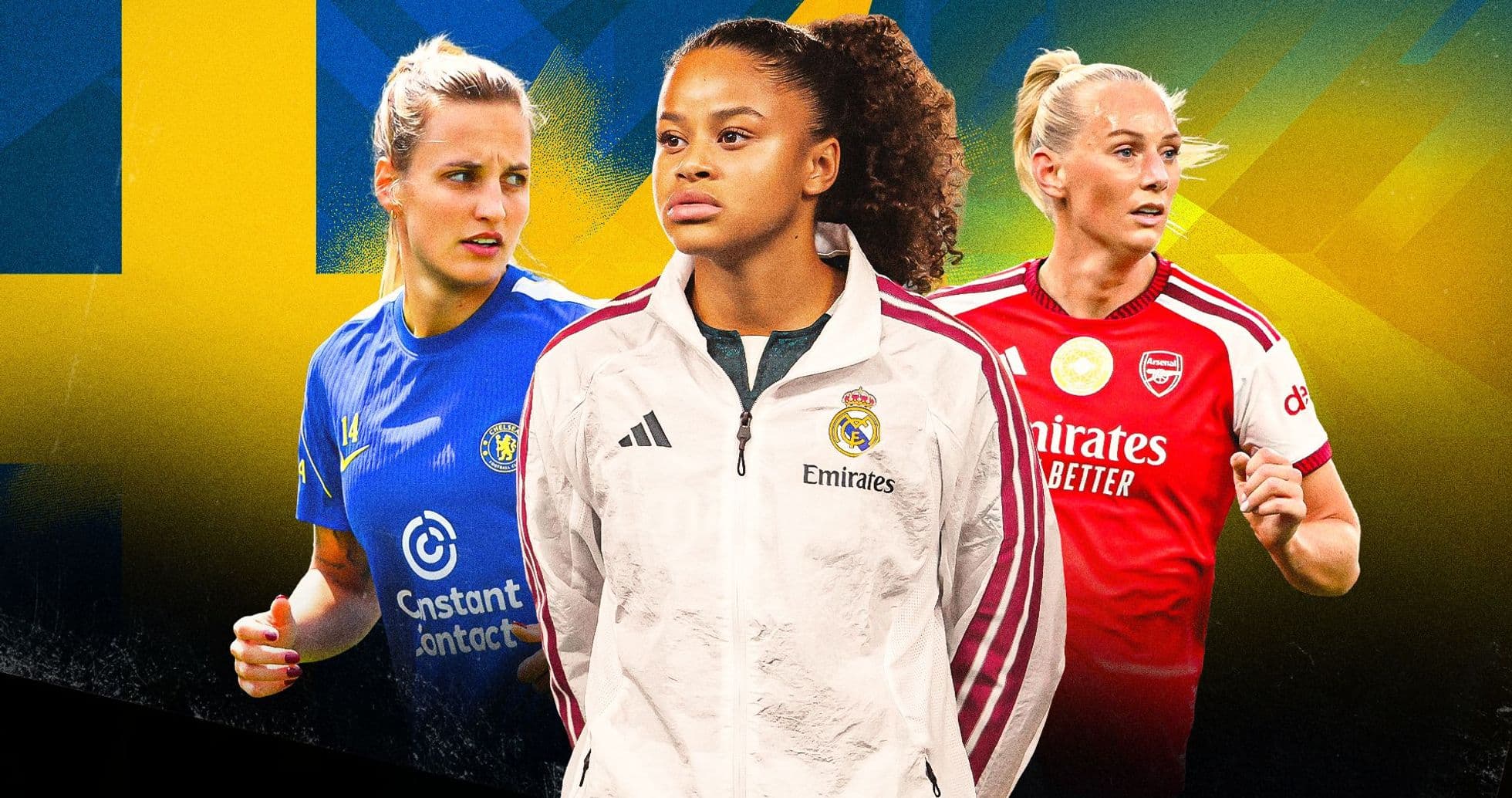
Christian Lundstrom, head of women’s football at Swedish champions Hacken, imagines what his team could look like if they kept all the players they've sold recently. His squad includes stars like Real Madrid’s Felicia Schroder, Arsenal’s Stina Blackstenius, and Lyon’s Johanna Rytting Kaneryd. Despite such talent, the Damallsvenskan no longer holds the same status it had when players like Marta shone in it.
The WSL has been a major buyer from Sweden, recruiting at least 60 players since summer 2022, including names like Blackstenius, Frida Maanum, and Smilla Holmberg at Arsenal, plus Chelsea’s Nathalie Bjorn and Manchester City’s Rebecca Knaak. Other leagues also invest heavily in Swedish talent. FIFA's latest transfer report shows that the Damallsvenskan earned $4.2 million from 30 transfers in the 2026 summer window, topping all leagues in revenue from outgoing transfers.
Accepting the Inevitable Player Turnover
Kristianstads DFF faces this challenge head-on. Lovisa Strom, part of their sports management, explains they embrace the reality of losing players regularly. Some players stay long-term, others come to develop before moving on. This mindset allows Kristianstads, who have finished in the top six eight times in nine seasons, to maintain competitive consistency despite departures.
“We are always calculating that we will lose players,” Strom says. This attitude helps clubs plan better for future seasons.
Planning Ahead with Strategic Recruitment
Hacken exemplifies forward-thinking by scouting players two transfer windows ahead, even looking as far as two years into the future. Lundstrom explains how they build "shadow teams" to prepare for inevitable departures, ensuring squad balance between veterans, rising talents, and youth prospects who can fill gaps internally.
Hammarby also maintains strong performance despite regular player sales. Former Finland captain Eva Nystrom credits their success to a clear team culture and shared principles, which help minimize disruption when players leave.
Managing Contracts and Relationships
Longer contracts are becoming more common in women’s football, allowing clubs to negotiate reasonable transfer fees. When Felicia Schroder signed a deal until 2029 with Hacken, Real Madrid paid a near-record fee to sign her just a year later.
Lundstrom emphasizes the importance of honesty with players about the club’s intentions, saying, “The idea is not to keep them here for four years. The idea is to sell them.” Strom agrees that while clubs remain open to transfers, they expect fair compensation for developed players.
The Damallsvenskan’s Ongoing Appeal
Opta ranks the Damallsvenskan behind only the top leagues in the U.S., England, Germany, Spain, and Italy, placing it above France and emerging leagues like Mexico’s Liga MX. Its high UEFA coefficient provides European exposure that attracts international talent.
Nystrom, who played in Sweden before joining West Ham, notes the league's professionalism and the opportunity to compete in European tournaments as big draws for players seeking to develop.
Former FC Rosengard sporting director Therese Sjogran highlighted Sweden’s knowledge and environment for player growth, which remains a key strength despite financial challenges.
Club Cultures Make a Difference
Kristianstads prides itself on a welcoming culture and maintaining strong ties with former players who serve as ambassadors. Strom points to Evelyne Viens, sold to Roma, as an example of a player who would recommend the club to others due to the positive experience she had.
Hacken similarly promotes its track record of developing talent to attract new recruits, emphasizing a proven platform for growth.
Challenges Facing the Damallsvenskan
While transfer fees are increasing, most remain modest, limiting the immediate financial impact of a single sale. Youth development is crucial, but clubs struggle to find and pay quality coaches for their academies. Erling Nilsson of FC Rosengard calls this a “big problem” due to limited resources and competition from more lucrative coaching jobs elsewhere.
Top prospects often move abroad earlier than before, as elite clubs like Barcelona, Lyon, and Chelsea recruit teenagers directly rather than letting them pass through Swedish clubs first.
Independent Clubs Face Extra Pressure
There are currently six independent clubs in the Damallsvenskan, including Kristianstads, which manages to break even financially. Meanwhile, clubs with men’s affiliates, like Hacken, benefit from shared resources and financial security.
Rosengard confronts new competition from Malmo FF, which recently reestablished a women’s team and climbed rapidly into the top division. Finding reasons for young players to choose Rosengard over Malmo FF is an ongoing challenge, says Nilsson.
Despite these hurdles, clubs like Kristianstads emphasize making the most of what they have with smart strategies and strong community connections.
A New Era for Swedish Women’s Football
The Damallsvenskan hasn’t featured in a Women’s Champions League final since 2008, when Tyreso lost narrowly to Wolfsburg before declaring bankruptcy shortly after. Big names left, and the league lost its global dominance.
Still, the league is financially more stable and remains a top developer of talent. Recent achievements include Hacken and Hammarby contesting the inaugural UEFA Women’s Europa Cup final in 2026, with Hacken winning and recording wins against Arsenal and Real Madrid.
Sweden’s national team players often come through the Damallsvenskan, showing its continued importance. As Nathalie Bjorn of Chelsea puts it, “Something is done right in Sweden.”





