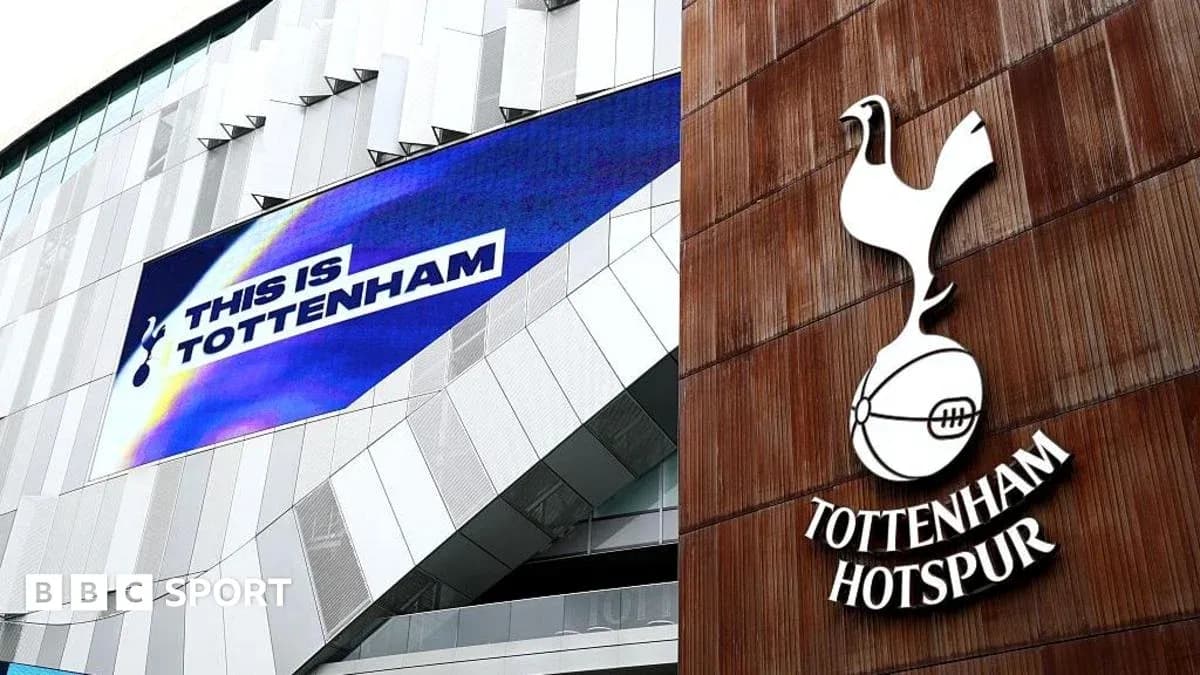
In an era when almost every blade of Premier League grass seems branded, Tottenham Hotspur’s gleaming home remains an anomaly. Since opening in 2019, it has stood simply as Tottenham Hotspur Stadium. No airline. No bank. No betting firm bolted onto the front.
Just the club’s name. And in 2024, that makes it one of the most conspicuous pieces of unclaimed real estate in world sport.
Across the division, eight of the 20 Premier League clubs currently play in grounds carrying sponsorship titles. Arsenal at the Emirates. Manchester City at the Etihad. These names have become part of the football vocabulary, commercial deals woven into the identity of the clubs themselves.
Tottenham were expected to follow the same path. When the stadium opened in the closing months of the 2018-19 season, the assumption was that a naming-rights partner would be unveiled soon after the first home game. The venue, after all, was purpose-built to be more than a football ground: a vast, multi-use arena capable of hosting major concerts and NFL fixtures, and designed with corporate hospitality at its core.
Yet more than seven years after the club moved in, the name has not changed. No sponsor has appeared on the front of the stadium. No logo has been stitched into the title.
That does not mean the club have walked away from the idea.
Tottenham insist the door remains very much open. The challenge is finding the right fit at the right price in a market where elite clubs are all chasing the same global heavyweights.
A club spokesperson underlined the importance of that search, telling BBC Sport: “Increasing our revenues through commercial partnerships is crucial for us to be able to remain competitive while staying in the boundaries of financial rules.”
That sentence goes to the heart of the issue. For a club trying to keep pace with state-backed rivals and super-clubs with vast commercial portfolios, the stadium’s naming rights are not a luxury. They are a major, currently untapped, revenue stream.
The club describe a future naming-rights deal as a “key part of the wider suite of opportunities available to potential partners”. This is where the stadium’s design and calendar come into play. With rights to host up to 30 major non-football events per year, Tottenham can offer brands visibility far beyond 19 Premier League home matches.
NFL games. High-profile concerts. Global broadcasts. The more varied the event list, the more valuable the name on the outside becomes.
The pressure, though, runs both ways. Spurs are not simply looking for the biggest cheque. They are conscious of how a partner will sit with the club’s image and with a fanbase that has grown attached to the stadium’s current identity.
“However, we are in a highly competitive industry alongside a number of clubs with similar ambitions, and we will only look to partner with the most-respected, renowned brands that align to our club values and can bring something to our fan experience,” the spokesperson added.
That line is telling. It hints at the balancing act: maximising revenue while protecting the club’s sense of self. Tottenham want a sponsor, but not at any cost, and not with a company that jars with the way they want to be seen.
While the main naming-rights conversation continues in the background, the club have moved to broaden their commercial base inside the stadium itself. They have launched “The Collective” – a new sponsorship programme built to deliver tailored activations in every stand at Tottenham Hotspur Stadium.
Sports Illustrated have become the first partner in that project, a sign that Spurs are willing to slice the stadium into more granular commercial assets while the headline naming deal remains unresolved.
So the vast arena in north London keeps its original, unadorned title. For now, Tottenham Hotspur Stadium stands as both a statement and a question: a symbol of what the club have built, and a reminder of the lucrative deal still waiting to be struck.