The UFC has never pretended to be fair. UFC 331 just underlines how lopsided the equation can be.
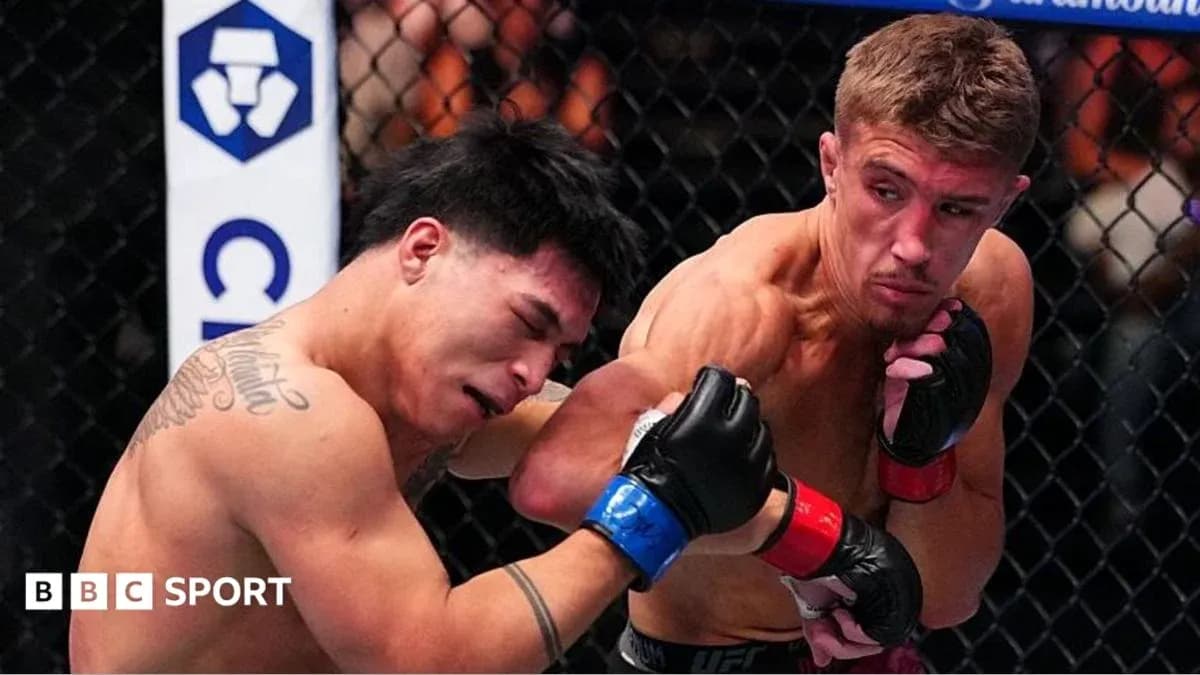
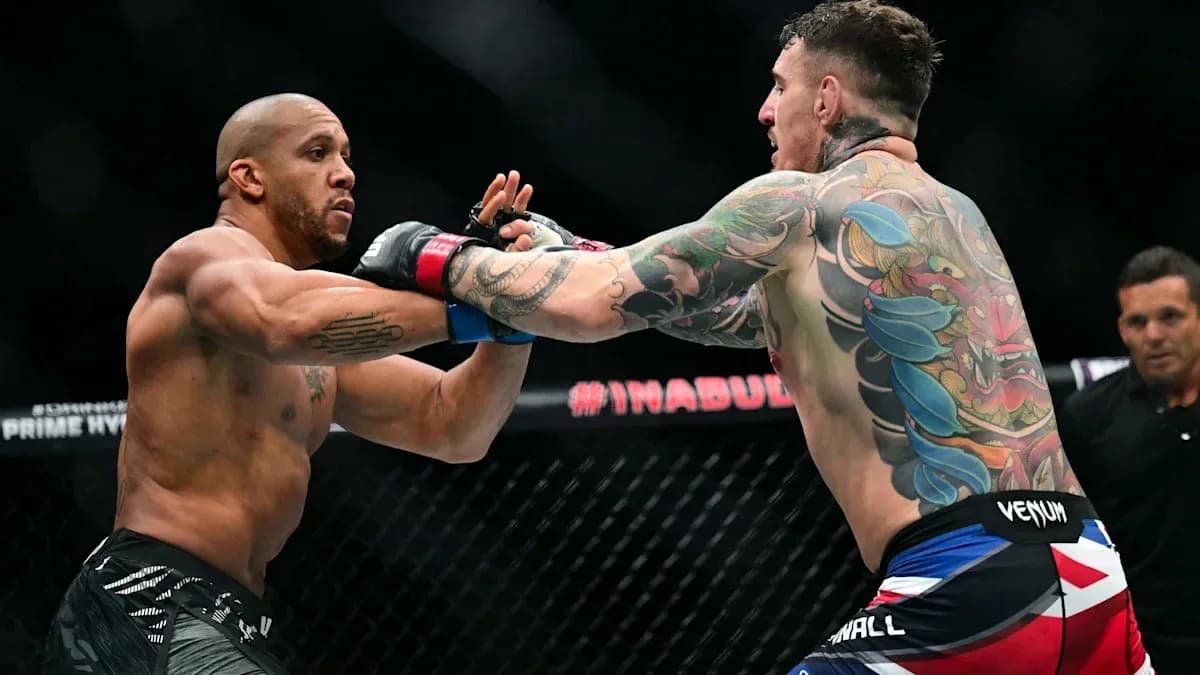
Two weeks ago in Paris, Michael “Venom” Page quietly walked out of the promotion. No farewell tour. No public wrangling over terms. He won a tepid decision, moved his UFC record to 5-1, and that was it. No new deal. No lowball offer to leak and rage about. Just silence and the door.
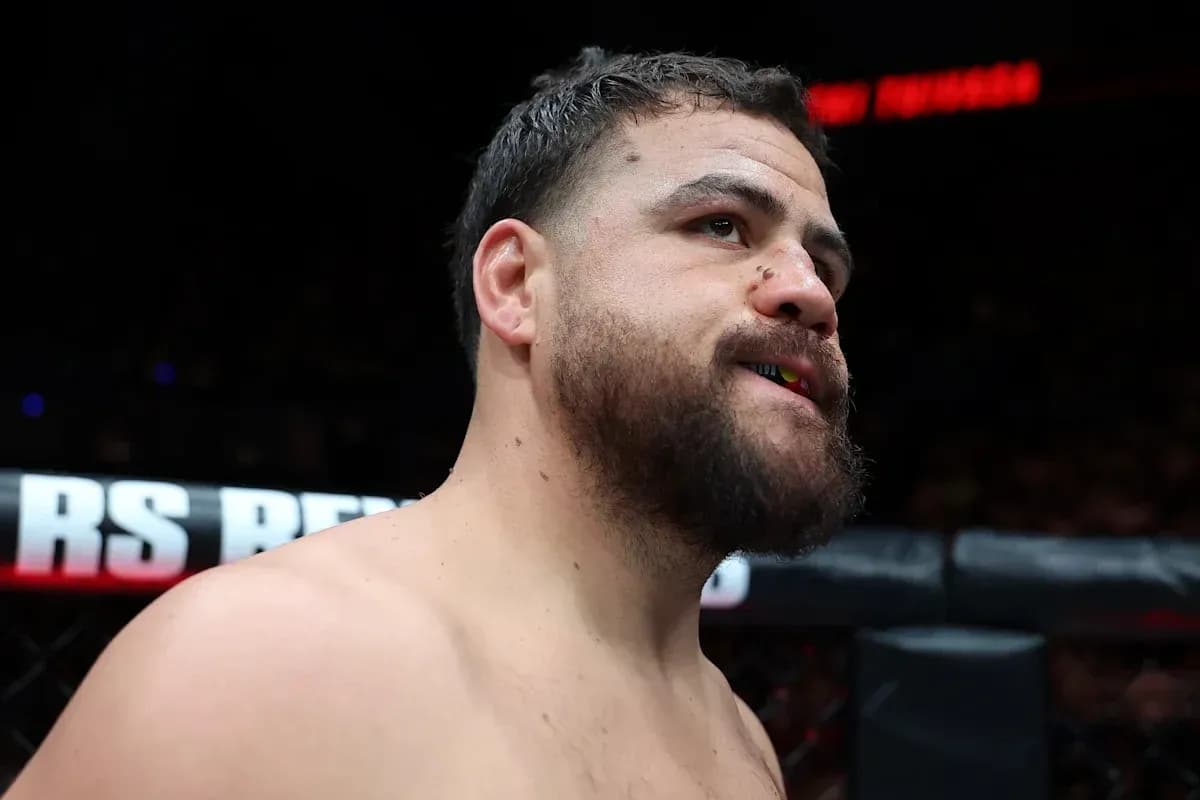
On Saturday in São Paulo, Tai Tuivasa will walk into the cage trying to halt a seven-fight losing streak that stretches back to 2022. He’s chasing not a title shot, not a ranking, but the avoidance of Tony Ferguson’s infamous eight-fight skid. Few believe he’ll pull it off. He’s still here anyway, tasked with welcoming Robelis Despaigne back to the UFC.
That contrast is the whole story.
Tuivasa has now lost more consecutive fights than Page ever got to fight under the UFC banner. Page departs with one loss and a reputation for dull, risk-averse wins. Tuivasa keeps his job with a stack of defeats and a highlight reel that usually ends with someone unconscious on the canvas — sometimes him, sometimes not.
The message isn’t subtle.
This is a sports league, but it runs on entertainment logic. Win-loss columns matter, but only after the show. The unforgivable sin is not losing. It’s being boring while winning.
Page became that type of problem. He shut fights down. He neutralized chaos. He did his job, but he did it in a way that left crowds restless and executives cold. That’s the guy who “won’t brawl and won’t let anyone else brawl,” the type who turns three-rounders into sparring sessions. The UFC knows exactly what to do with that: let another promotion inherit the complaints.
Tuivasa lives at the opposite end of the spectrum.
He’s the fighter you already know before the walkout music hits. He’ll plant his feet. He’ll swing from his heels. He’ll stuff a few takedowns at best. If the fight drags, his gas tank will betray him, yet he’ll keep trudging forward, chin high, trusting his chin and his pride more than his cardio.
A promoter can plan around that. You can scan the heavyweight roster and almost pencil in his results. Certain matchups? He’s live to detonate someone in a round. Others? He’s cannon fodder for a more polished contender. The system only starts to wobble when he begins losing the fights he’s supposed to win — like in May, when he went in as a -225 favorite against Louie Southerland in Australia and still dropped a unanimous decision, stretching the skid to seven.
Even so, Tuivasa brings something the company values: people care when his name appears on a poster.
He’s one of the few heavyweights who feels like a proper character. The shoeys. The walkouts. The sense that, win or lose, something chaotic is about to happen. Fans can picture themselves on a night out with him, beer in hand, laughing at bad decisions. That connection doesn’t vanish with a losing streak.
There was a moment in Melbourne that captured it. Tuivasa had just been dominated and submitted. No drama, no controversy. As he stepped out of the cage, a fan stood there with a shoe in one hand and a full beer in the other, ready for the ritual. Tuivasa gave him a single look and declined. Even in defeat, with nothing to celebrate, the urge from the crowd was the same: be part of his story.
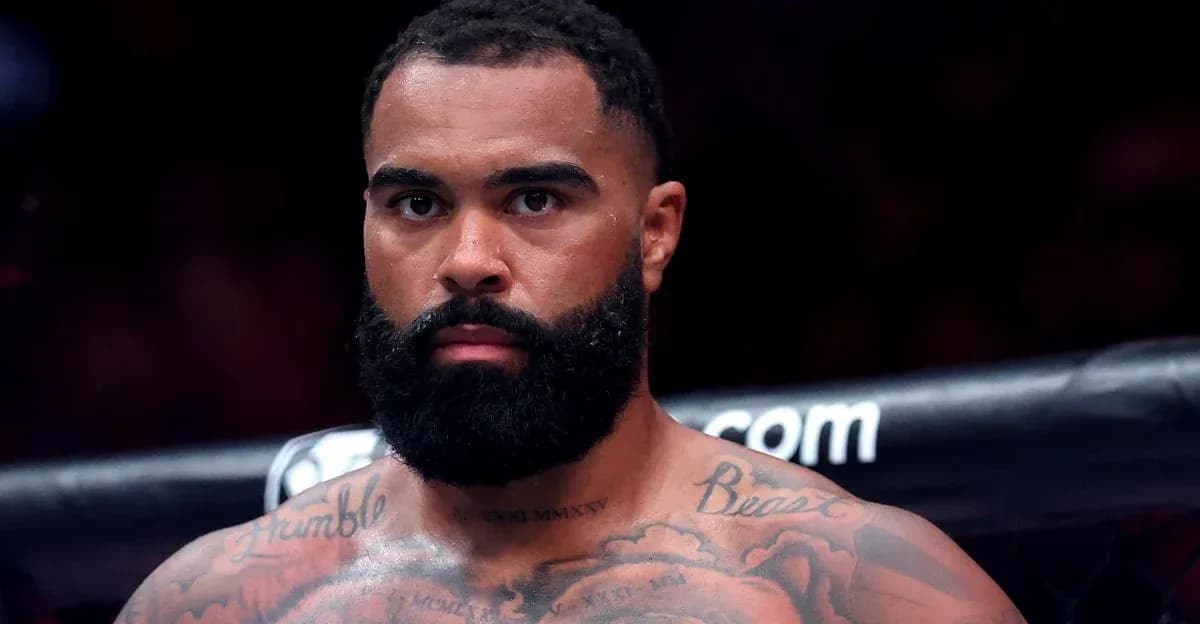
So when Despaigne resurfaced on the UFC radar with a violent knockout of Junior dos Santos at the MVP Netflix event in May, the matchmaking logic wrote itself. Despaigne is a towering, raw heavyweight with fight-ending power. He doesn’t need a wrestler grinding him into the fence in his return. He needs someone who will meet him in the center and sign a mutual non-aggression pact on takedowns.
Enter Tuivasa.
This isn’t a favor. It’s an audition — for Despaigne, for Tuivasa’s job, for the next viral clip. A man who hits as hard as “Bam Bam” always has a puncher’s chance in this division, where one mistake can rewrite a fight in half a second. But the matchup screams intent: stand, trade, and let the chips fall where they may.
That’s how a fighter can cling to a roster spot even while losing over and over. As long as the violence stays marketable, the phone keeps ringing. Meanwhile, the technician who neutralizes danger and grinds out low-output wins gets quietly shown the exit.
Fighters understand this economy. They don’t need a memo from the front office.
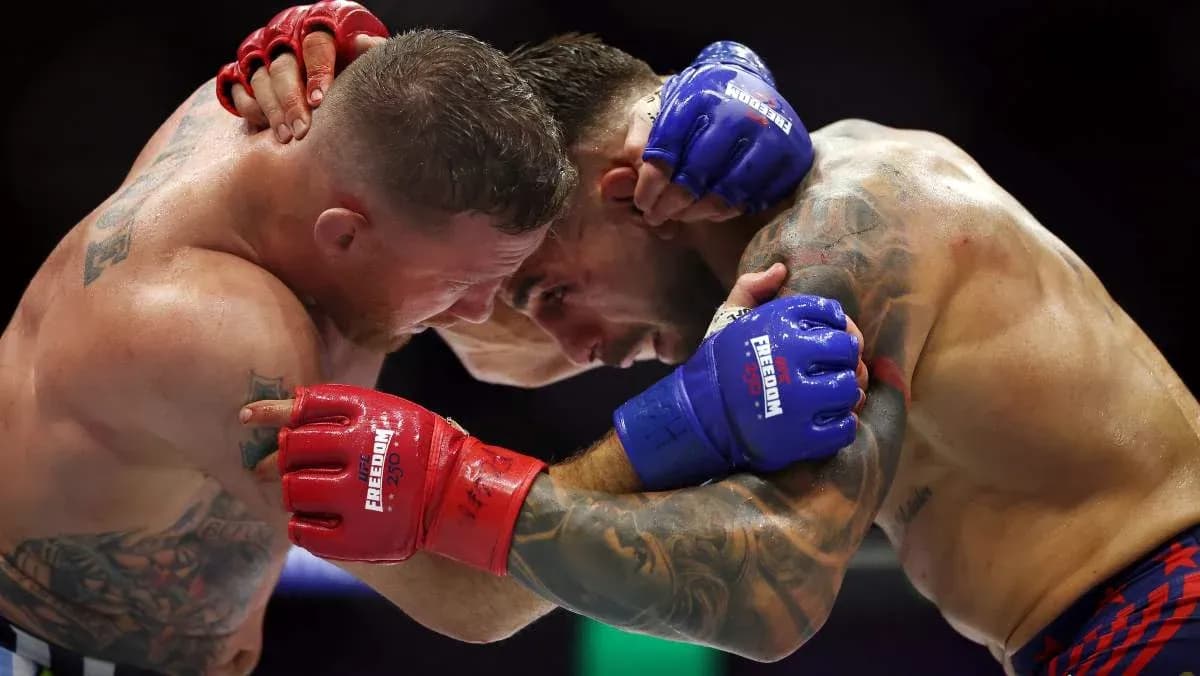
Former UFC champion Tyron Woodley laid it out bluntly this week on “The Ariel Helwani Show.” His version of the ideal UFC fight was simple: “You hit me, I hit you. Rock ’em, sock ’em. I’m bleeding, you’re bleeding. I almost die, you almost die. We hug at the end, raise each other’s hand. That’s the ‘best’ fight.”
That’s the product the UFC knows how to sell. Blood, jeopardy, mutual destruction, then respect. It’s the template that keeps a fighter like Tuivasa around long after his record suggests he should be gone.
But Woodley also pointed to the bill that comes due. Those nights don’t just disappear when the cage door closes. They live in the joints, in the memory, in the way a fighter’s reactions slow half a beat. The brawler’s role is spectacular and short-lived.
“As soon as they become a bag of bones and they become a little older, and there’s a younger fighter that’s willing to do it with less backtalk, willing to do it for less money, they’re going to be matched up with that person,” Woodley said. That’s the cycle. The show must go on, just with fresher faces and cheaper contracts.
Nobody in this business promises justice. In most sports, the formula is brutal but clear: win and you stay, lose and you go. Here, the math is messier. Victory is only part of the calculation. The rest is how you get there, how it looks, how it feels.
Every fighter ends up chasing their own fragile balance. How much risk can you absorb to keep the crowd roaring and the matchmakers dialing your number? How many wars can you survive before you’re the “bag of bones” Woodley described, replaced by a younger version willing to bleed for less?
On Saturday, Tuivasa walks into the cage with that question hanging over him. Not just whether he can stop a losing streak, but whether the style that once made him indispensable is now the very thing that might accelerate his exit.