U.S. Women Advance to FIBA World Cup Final After Tough Semifinal Win
BERLIN — The streak lives, but this one hurt for it.
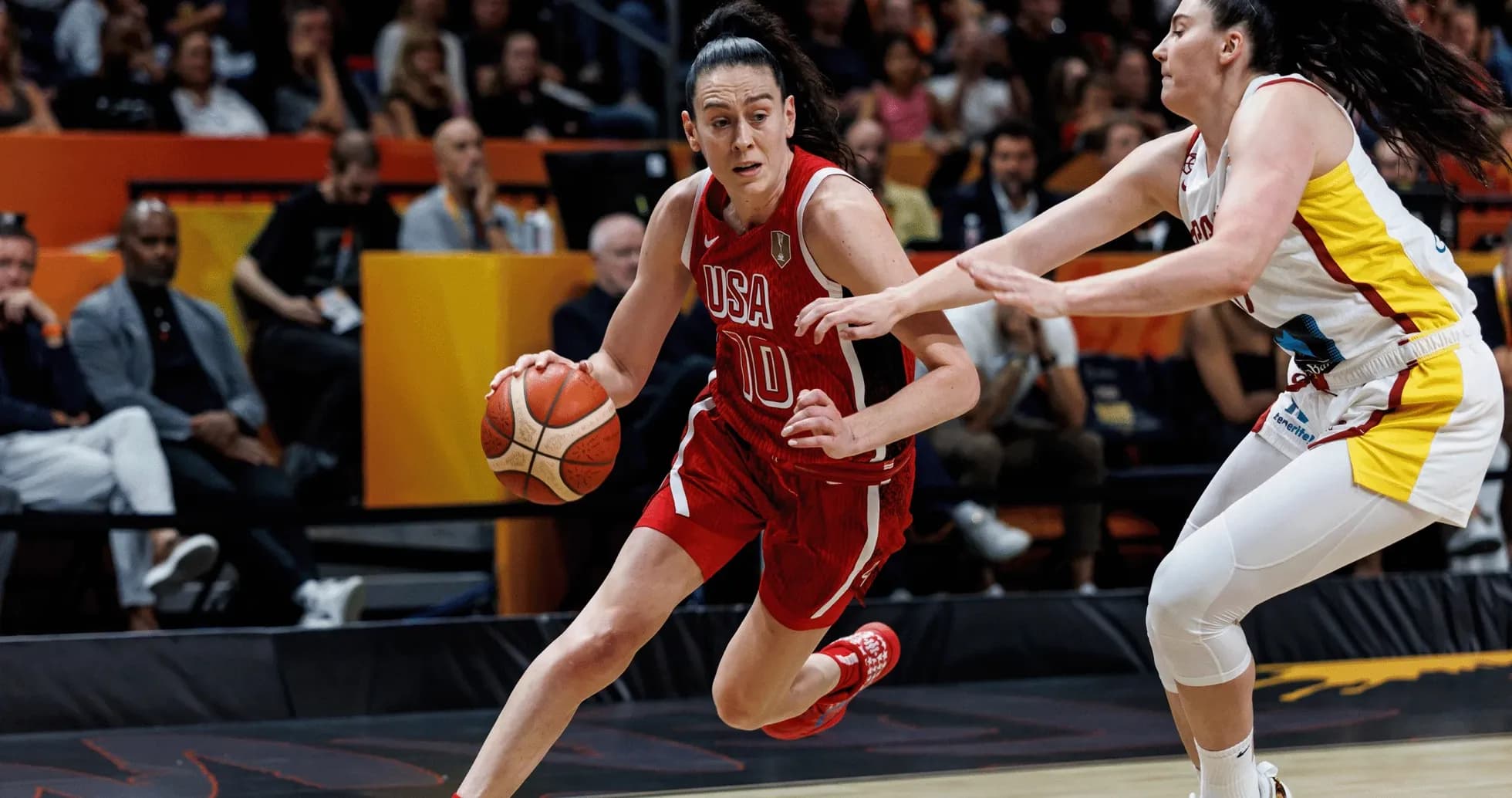
Breanna Stewart dragged the U.S. through a bruising semifinal on Saturday, scoring 16 points, with Kahleah Copper adding 13, as the Americans ground out a 76-66 win over Spain to reach the women’s FIBA World Cup championship game.
Waiting there: France. A straight replay of the 2024 Paris Olympics gold medal game, decided by a single point and still fresh in the memory of both teams.
A giant pushed, not toppled
For the first time in this tournament, the U.S. looked vulnerable.
Spain flew out, fearless and sharp, taking nine of the game’s first 10 points. The Americans, who had barely trailed all tournament — their biggest deficit before this was three against Italy in that 55-52 escape — suddenly found themselves staring at a 16-9 hole.
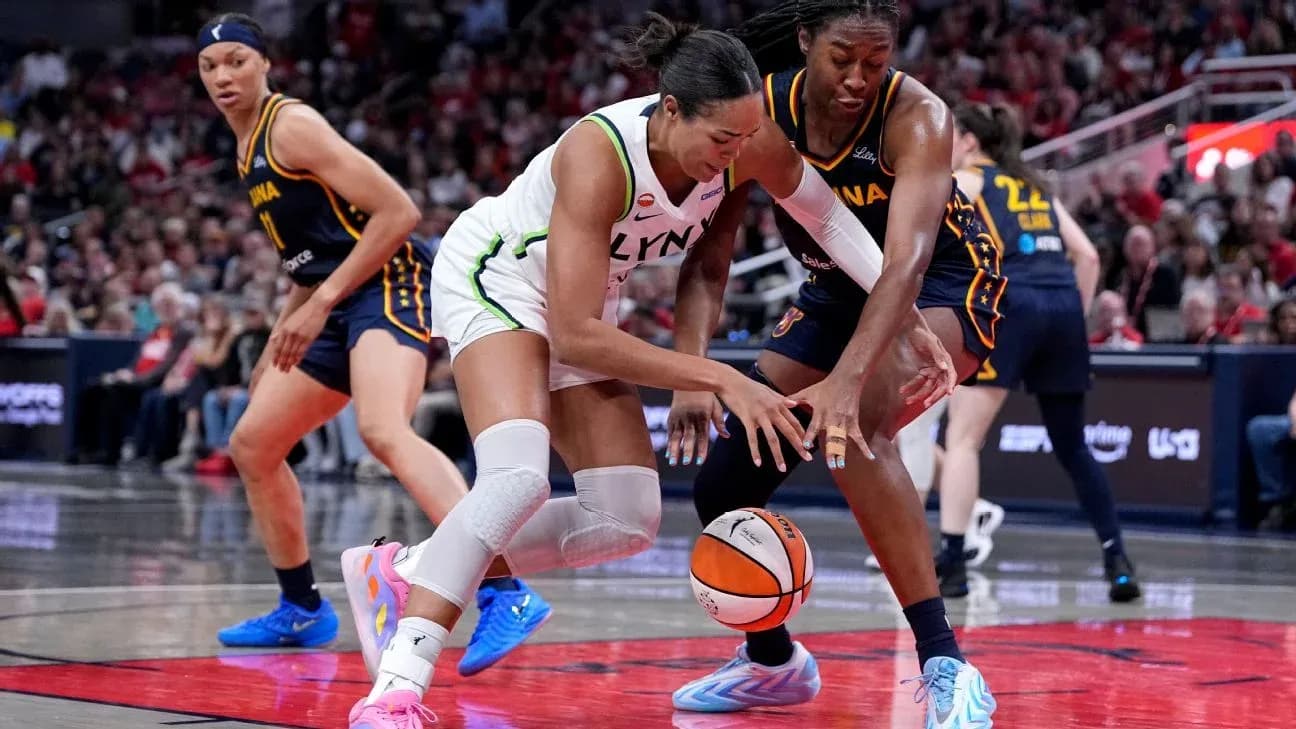
Physical. Relentless. Spain turned every cut into a collision and every screen into a test of resolve. The U.S. offense stalled, passes stuck, spacing vanished.
Then the newcomers came in and changed the temperature.
Fresh legs and fresh energy sparked a 12-2 run to close the first quarter, flipping that early seven-point deficit into a narrow lead and, more importantly, restoring a measure of control. But control never became comfort.
A whistle-heavy grind
The second quarter turned into a parade to the foul line.
Spain’s rugged defense kept knocking the U.S. out of rhythm, but it also kept sending them to the stripe. By halftime, the Americans had taken 27 free throws — and only 26 field-goal attempts. They made 19 of those freebies and clung to a 39-36 advantage at the break.
This wasn’t the flowing, fast-break clinic the U.S. had staged in earlier rounds. This was survival, possession by possession.
Every time the Americans threatened to pull away, Spain clawed back. Every loose ball became a scrum. Every drive met a body.
Deadlock, then a decisive surge
By the start of the fourth quarter, the scoreboard told the story: 58-58. The World Cup’s dominant force, winners of 35 straight games in this competition dating back to a semifinal loss to Russia in 2006, was in a fight.
The response was ruthless.
The U.S. opened the final period by scoring 12 of the first 14 points, finally punching a hole in Spain’s resistance. Stewart, Copper and company attacked the lane, absorbed contact, and kept cashing in at the line. The lead swelled to 70-60 with 5:20 to play — the biggest margin of the night.
Spain never got closer than eight after that. The pressure had done its job. The legs were gone, the comeback chances dwindled, and the Americans managed the clock like a team that has lived on this stage for a generation.
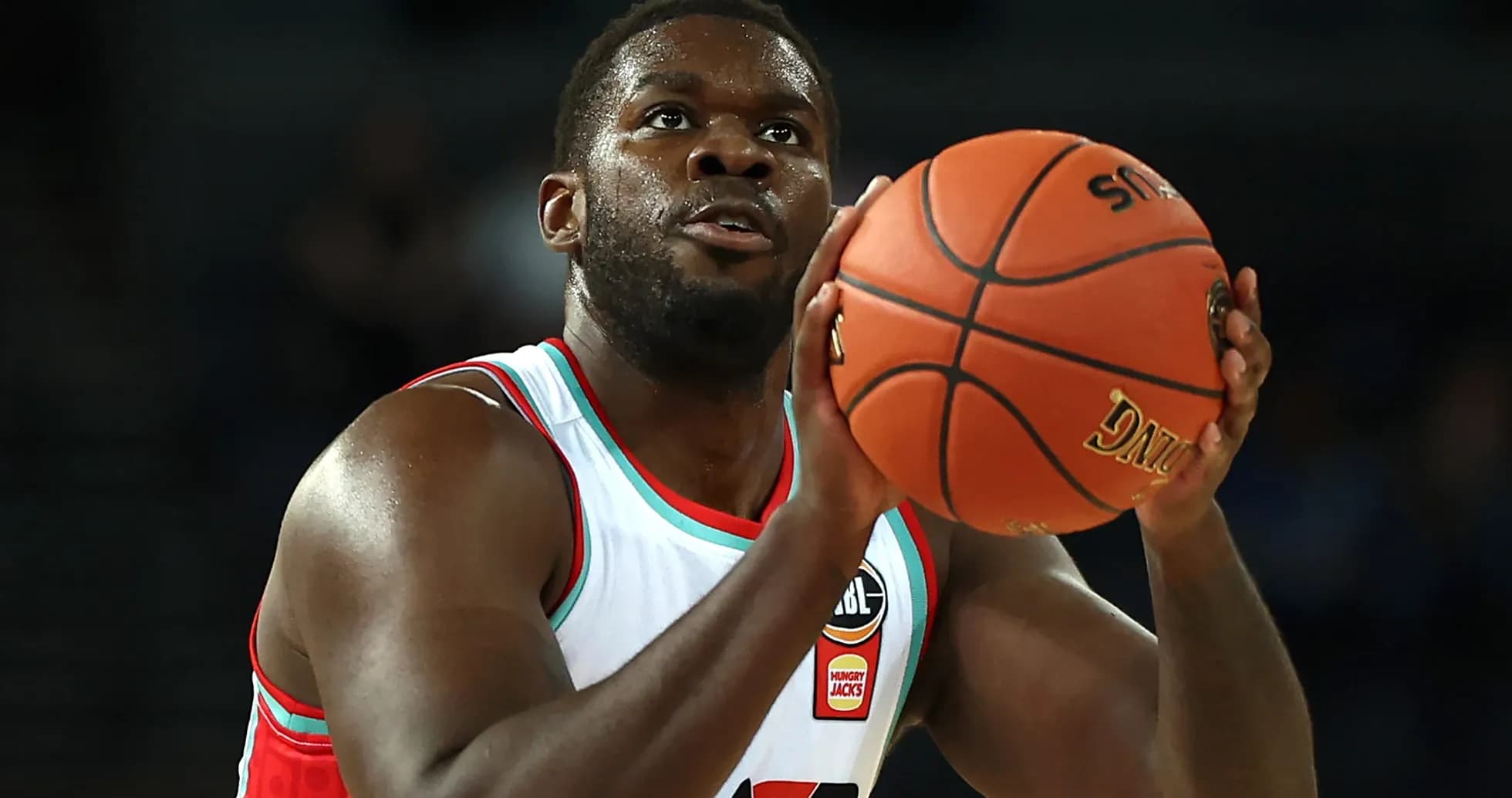
By the final buzzer, the box score told a blunt truth: the U.S. had lived at the line, finishing 27 of 35 on free throws. In a game where rhythm never truly arrived, that reliability under pressure became the difference.
Full circle for Stewart, history in sight for the U.S.
This was the first World Cup meeting between these nations since the 2014 gold medal game, when the U.S. beat Spain and a young Breanna Stewart made her debut with the senior national team.
Ten years on, she is the anchor, the reference point, the player who steadies a team when the game turns ugly.
Now the Americans stand one win away from a fifth consecutive World Cup title. One more victory, and they match the former Soviet Union’s record run of five straight championships.
They have the streak. They have the pedigree. They have the rematch with France.
The question now is simple: can anyone stop them from turning this era of dominance into something historic, even by U.S. standards?