USA Basketball’s Youth Movement: Mystics Duo Joins World Cup Roster
USA Basketball’s youth movement just picked up even more speed on the eve of the FIBA World Cup.
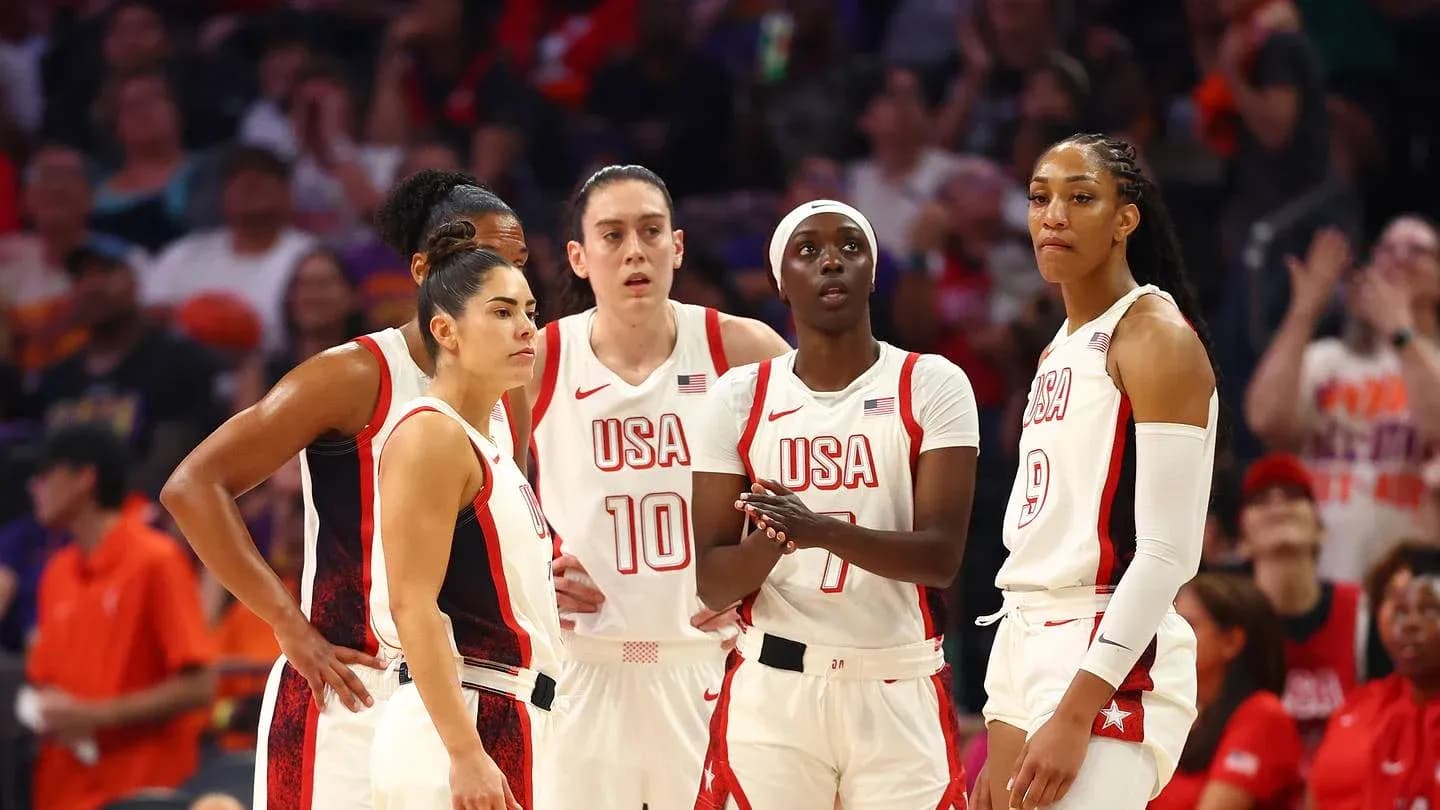
With the tournament tipping off Friday against China in Berlin, two late roster changes have reshaped the look – and feel – of the defending powerhouse. Out go established stars A'ja Wilson and Kelsey Plum. In come two of the WNBA’s most intriguing risers: Washington Mystics standouts Kiki Iriafen and Sonia Citron.
It’s not a cosmetic tweak. It’s a statement.
Wilson, Plum Out; Mystics Duo In
Plum, recently traded from the Las Vegas Aces to the Phoenix Mercury, will miss the rest of the WNBA season with a lower leg injury. Wilson hasn’t sat out for the Aces, but a lingering back issue has finally forced a pause. For Las Vegas, it’s a chance to get their franchise cornerstone fresh for a title defense when league play resumes on September 17. For USA Basketball, it’s a reshuffle on the fly.
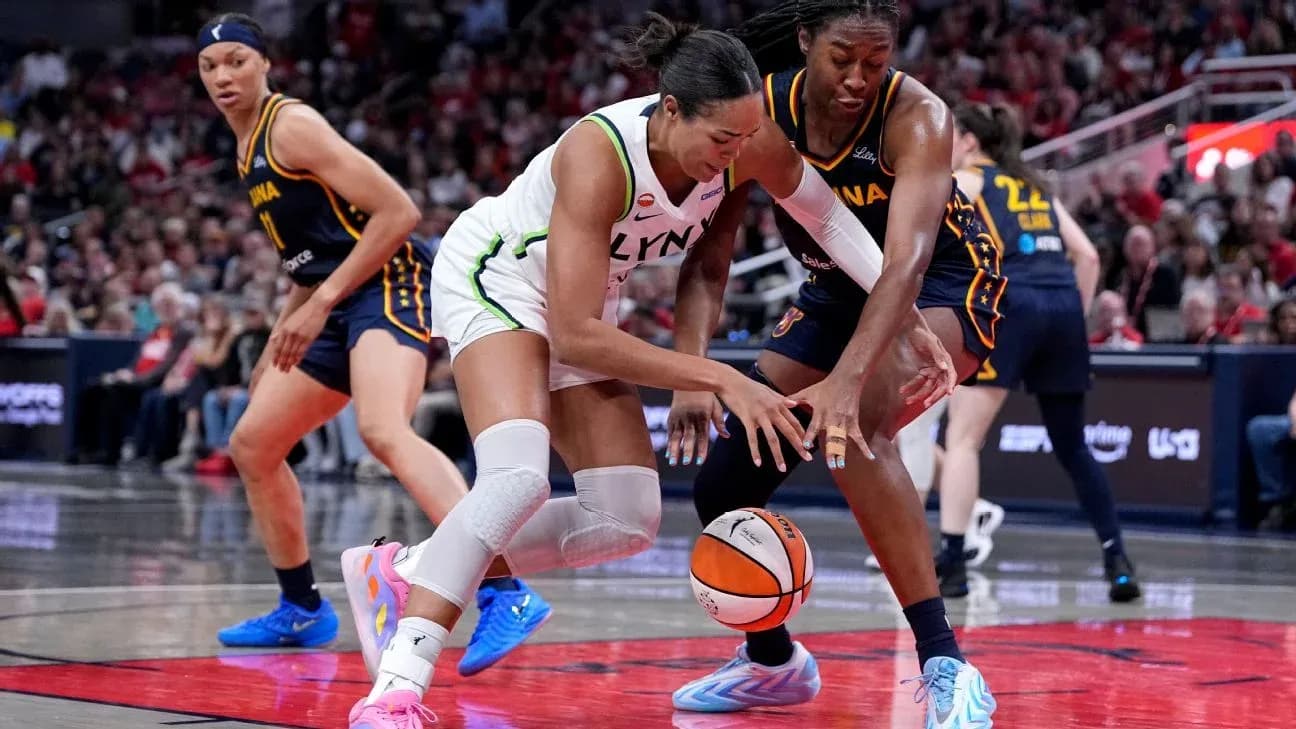
Iriafen steps straight into Wilson’s vacated frontcourt role. She brings power, touch, and the kind of off-ball feel that should mesh perfectly with an elite guard group headlined by Caitlin Clark, Paige Bueckers, and Chelsea Gray. She doesn’t need the ball to influence a game. That matters on a roster this loaded.
Citron, meanwhile, offers exactly what every coach craves in international play: a wing who can do a bit of everything at full tilt. She runs the floor, stretches defenses from deep, and relishes difficult defensive assignments. On a team that expects to swarm and suffocate opponents, her versatility isn’t a luxury. It’s a weapon.
With the Mystics pair added, the 12-player roster now reads:
- Aliyah Boston
- Paige Bueckers
- Caitlin Clark
- Napheesa Collier
- Kahleah Copper
- Sonia Citron
- Chelsea Gray
- Rhyne Howard
- Kiki Iriafen
- Angel Reese
- Breanna Stewart
- Jackie Young
There’s still plenty of gold-medal pedigree in that list. But the balance has shifted.
A New Core Steps Into the Spotlight
USA Basketball has been edging toward a generational handoff for a while. This World Cup might be the moment it becomes impossible to ignore.
Breanna Stewart, Chelsea Gray, Napheesa Collier, Kahleah Copper, Jackie Young – they carry the history, the medals, the scars from title runs. Around them now swirls a wave of players who have spent the last few years dominating the college game, igniting the WNBA, and redefining what star power looks like in women’s basketball.
Caitlin Clark, Paige Bueckers, Angel Reese, and Aliyah Boston already draw massive attention at every stop. Now add Iriafen and Citron to that cluster, and half of this roster will be taking the main stage in senior World Cup play for the first time in USA colors.
They are not strangers to the program. Clark, Bueckers, Reese, and Iriafen all featured in the FIBA World Cup qualifier in Puerto Rico in March, gaining valuable reps in USA systems and expectations. Boston and Citron were initially named to that qualifying group as well before injuries forced them out.
So this isn’t a blind leap into the unknown. It’s the next step.
The difference now? The stakes. This time, it’s not about qualifying. It’s about defending a legacy.
Protecting a Streak, Shaping an Era
The United States has not lost a World Cup game since 2006, when Russia handed them their last defeat. Since then, the program has turned that pain into a dynasty, rolling through tournaments with depth, discipline, and overwhelming talent.
That streak now rests, in part, on the shoulders of a group still learning what it means to carry the senior national team crest in a major event.
They’ll be tested by the physicality and precision that always defines international basketball. They’ll be judged against the standard set by the legends who came before them. They’ll also get something just as important: a dress rehearsal for the next Olympic cycle.
Because this World Cup roster doesn’t just answer the question of who can win now. It hints at what the United States might look like when the Olympic flame is lit in Los Angeles in 2028.
By then, the names that feel “new” today could be the ones anchoring the locker room, mentoring the next wave, and chasing yet another chapter of American dominance.
For now, they start in Berlin, against China, with a streak to protect and a future to claim.