USA Dominates Hungary in FIBA World Cup Quarterfinal
BERLIN — The scoreboard said blowout. The performance said something more.
The United States didn’t just beat Hungary on Thursday. It dismantled them, 108-56, and in the process reminded the rest of the women’s FIBA World Cup field that the standard is still very much theirs to set.
Next up: the winner of Spain vs. Australia in Saturday’s medal round. Different opponent, same message.
A Record Night, Delivered at Full Speed
From the opening tip, the U.S. treated the quarterfinal like a sprint, not a feel-it-out chess match.
They led 36-12 after the first quarter, running the floor, hammering the paint and turning Hungarian mistakes into layup drills. Every miss from Hungary seemed to trigger a fast break; every loose pass became an American runway.
Napheesa Collier set the tone early, dropping 10 of her 19 points in the first 10 minutes. She slipped into gaps, finished through contact and quietly took control of the game before Hungary could catch its breath.
The numbers told the rest of the story.
- A tournament-record 108 points in a World Cup quarterfinal.
- A quarterfinal-record 31 assists.
- A 59-30 halftime lead — the highest-scoring first half by a U.S. team in a knockout game at this event, per FIBA.
This wasn’t just dominance. It was precision.
“When that ball is moving, we want to get the best possible shot,” said Kahleah Copper, who added 10 points. “We want to make sure everybody gets involved. Everyone here on this roster, we know what they’re doing on their respective (WNBA) teams. But you come here, you sacrifice a little bit of that.”
They did more than sacrifice. They shared. Good shots became great ones. Decent looks were passed up for wide-open threes or uncontested layups. Hungary simply couldn’t keep up with the ball.
Clark, Reese and a Growing Connection
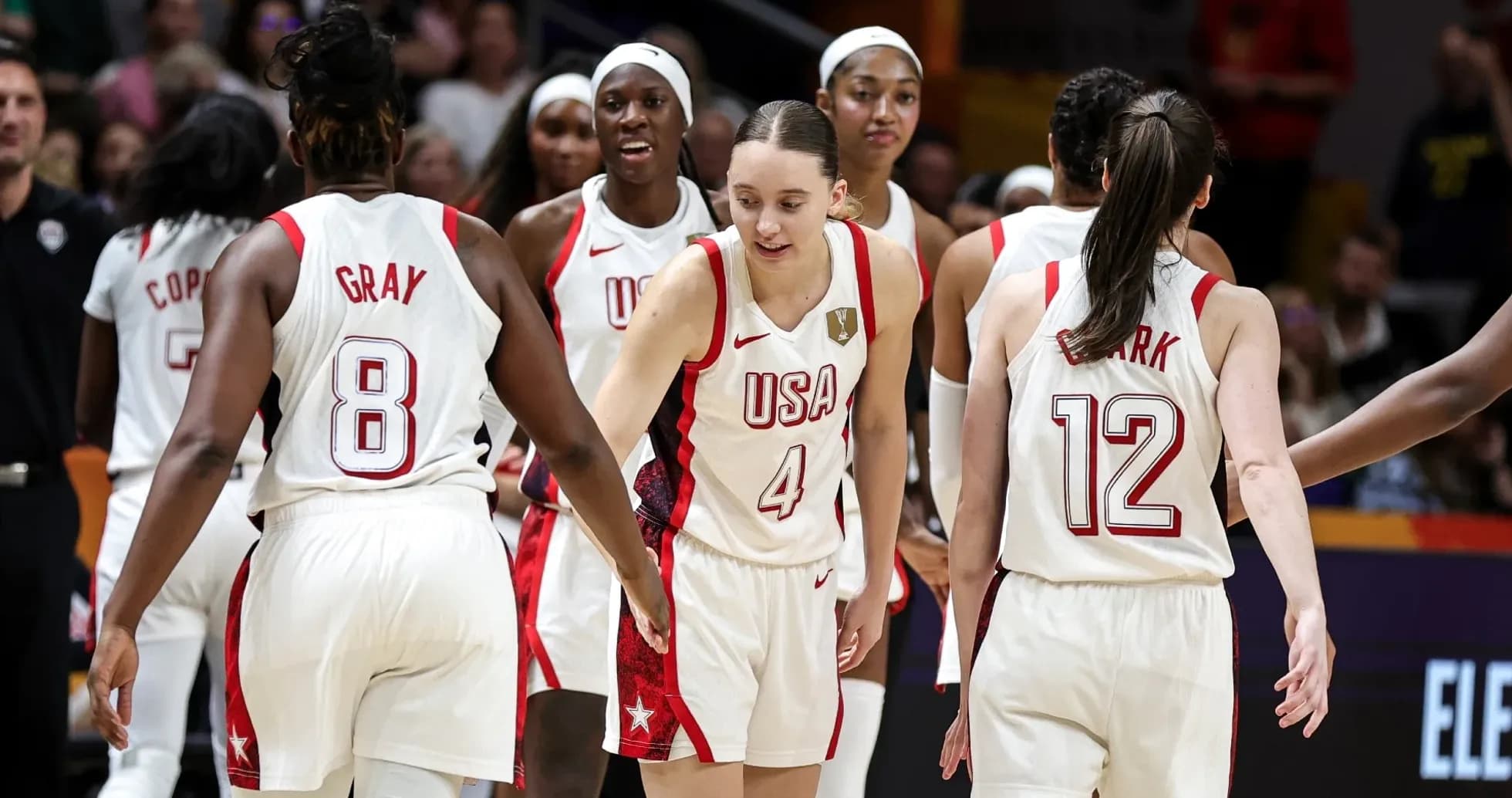
Just as Hungary looked ready to escape the first quarter, Caitlin Clark and Angel Reese added a flourish.
With the clock ticking down, the two ran a sharp pick-and-roll, Clark probing, Reese timing her dive perfectly. The play ended with a clean finish just before the buzzer — a small moment, but a vivid snapshot of a partnership that’s starting to click on the international stage.
Clark finished with 10 points and nine assists, one dime short of her second double-double of the tournament. She orchestrated the offense with tempo and vision, pushing the ball ahead, dragging defenders with her eyes, and trusting teammates to make the extra pass.
By the time the Americans had hit 20 of their first 26 shots — a blistering 77% — and knocked down five of their first six 3-pointers, the score had ballooned to 50-18 with six minutes still left in the second quarter. Hungary were chasing shadows.
Defense With Teeth
The offense will grab the headlines, but the defense gave it permission to run wild.
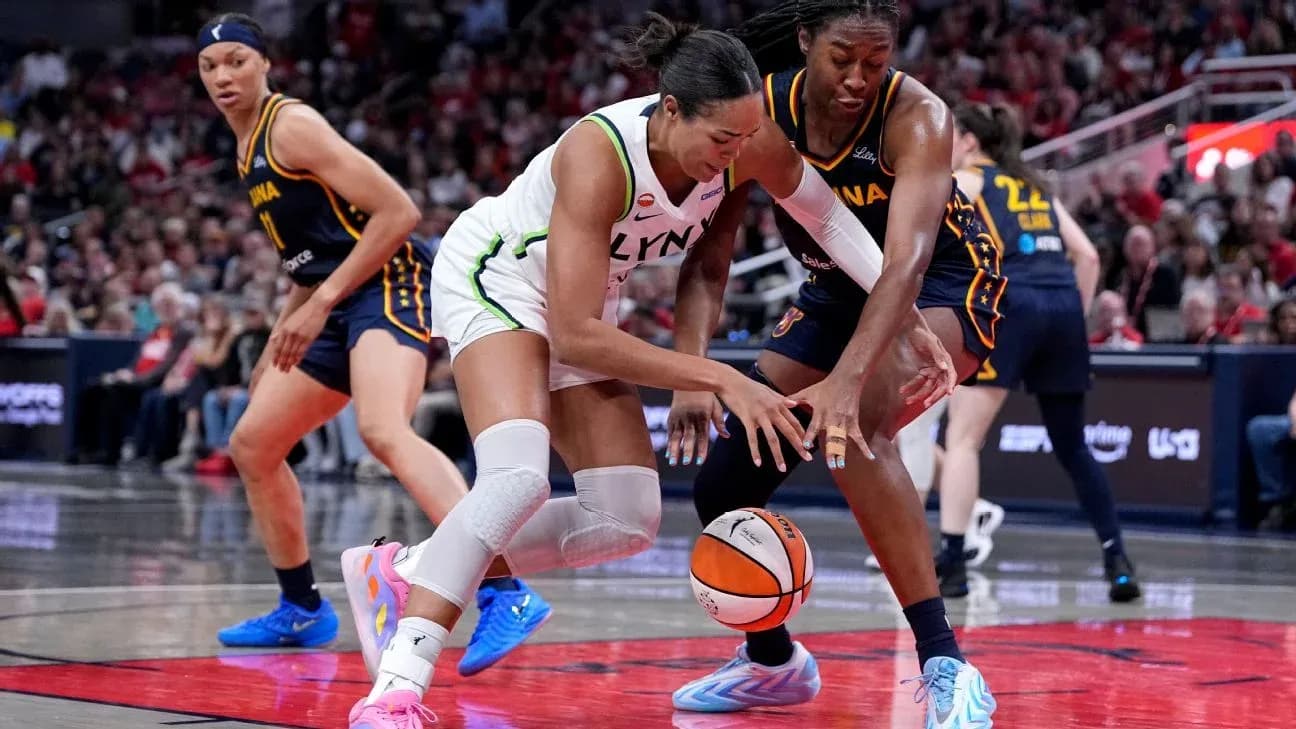
Hungary’s centerpiece, Dorka Juhasz of the Minnesota Lynx, arrived in Berlin averaging 15.3 points and 11 rebounds in the tournament. She left this game with two points on 1-for-12 shooting.
The U.S. crowded her touches, bodied her on the catch, and closed every window she thought she had. Juhasz missed her first seven attempts and didn’t see the ball drop through the net until 2:26 remained in the first half. By then, the contest had long since tilted beyond recovery.
Every Hungarian drive met a wall. Every attempt to post up met a double-team or a quick dig. Stops turned into sprints; sprints turned into separation on the scoreboard.
A Brief Scare, Then Back to Business
The only uneasy moment for the U.S. came in the third quarter, when Sonia Citron took an accidental shot to the nose from a Hungarian player’s hand and had to leave the floor.
For a few minutes, the arena quieted. The game was decided, but the Americans don’t want any dents heading into the medal round.
Citron returned to start the fourth quarter, easing any nerves and restoring the familiar rhythm. The bench kept the pressure up, the ball kept moving, and the score kept climbing.
History, Extended — and a New Challenger Awaits
With this win, the U.S. extended its World Cup winning streak to 34 games, a run that stretches back to a semifinal loss to Russia in 2006. They have now reached every medal round since 1983, when the tournament shifted to its current format.
This is what sustained excellence looks like: new stars, same expectation.
Hungary, for their part, leave with something tangible. By reaching the quarterfinals, they secured their best World Cup finish in the medal-round era. Their fifth-place finish in 1957 came in a round-robin format; this time, they stood in the last eight of a modern, cut-throat knockout field.
They ran into a machine.
Now the bracket tightens. Spain or Australia will stand across from the Americans next, a step away from the gold-medal game. The U.S. arrives with a record-breaking quarterfinal behind them, their streak intact, their depth on full display.
The real question now isn’t whether they can be beaten. It’s who, if anyone, can slow them down.