USA Secures Fifth Consecutive Women’s World Cup Title Against France
The crown slipped for a moment. It never fell.
Down double digits, rattled by France’s pace and precision, the United States stared at their most serious World Cup threat in nearly two decades on Sunday — and then ripped the game away with the kind of ruthless surge that has defined an era.
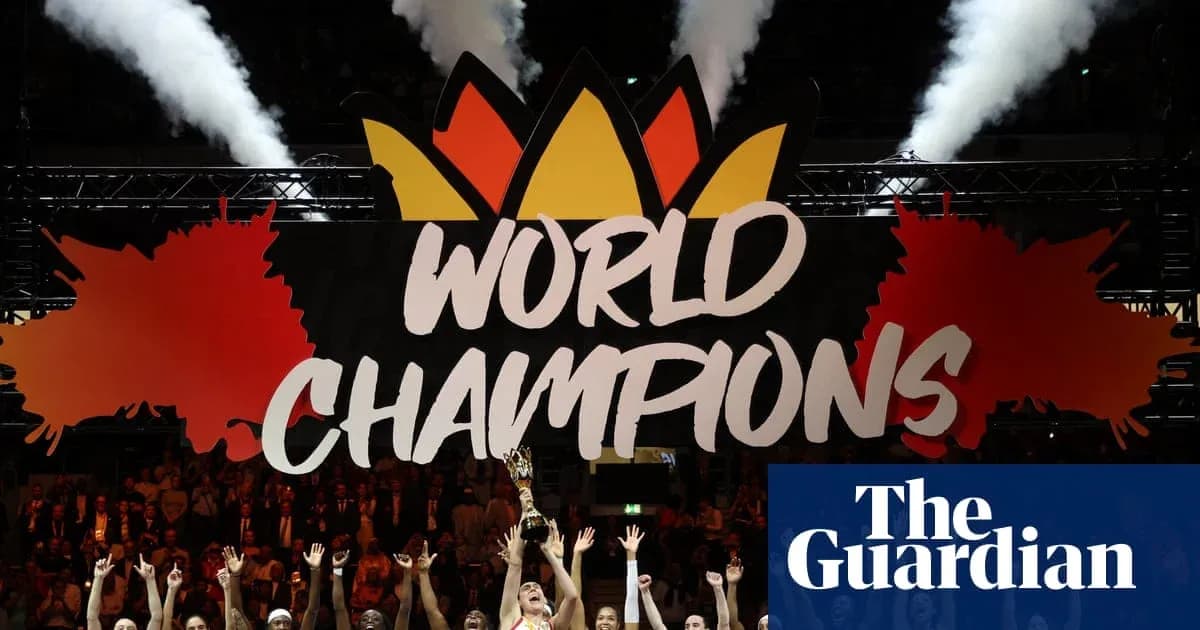
By the final buzzer it was a familiar picture: USA 97, France 79. A fifth consecutive Women’s World Cup title secured. A 20-year unbeaten run at Olympics or World Cups still intact. The dynasty lives on.
France swing first, hard
The stage carried its own history. A rematch of the 2024 Olympic final, the same two teams, the same tension. But this time, it was France who came out throwing punches.
USA captain Breanna Stewart set an early tone, piling up points to give the Americans a five-point cushion and briefly quieten French hopes. She would finish with a game-high 22, steady and relentless, the axis around which the holders turned.
Then the game flipped.
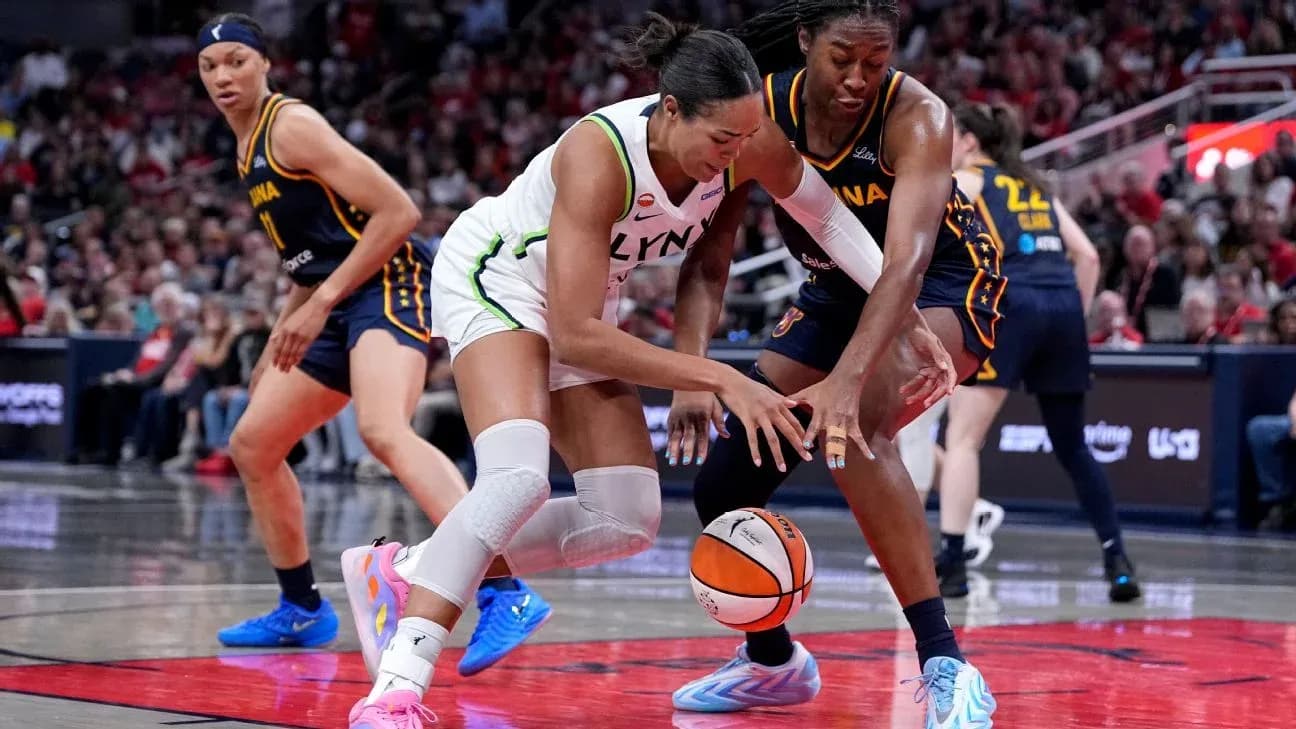
Gabby Williams ignited France, and suddenly the Americans were the ones chasing shadows. France found their rhythm from deep, their shooters stepping into threes with confidence, their defence snapping into passing lanes. A 21-2 burst stunned the champions and blew the game open early in the second quarter.
From five down to 14 up, France were rampant. The defending champions, who had not lost a World Cup game since 2006, looked exactly what many suspected coming into the final: vulnerable.
No team had come within 20 points of France all tournament. This was why. They were faster to loose balls, sharper in transition, fearless from the perimeter. For the first time in years, the USA looked genuinely threatened on the biggest stage.
Clark’s buzzer-beater turns the tide
The Americans needed a lifeline before half-time. They got one.
Possession by possession, they began to nibble away at the deficit. The defence tightened, the turnovers slowed, the ball started to move with more purpose. France still led, still looked dangerous, but the gap shrank.
Then, right on the buzzer, Caitlin Clark rose and buried a huge three-pointer to cut the margin to just two at the break.
It was more than three points. It was a mood swing.
France, who had once led by 14, went into the locker room with only a 2-point advantage and the sense that the storm was coming. USA, who had flirted with disaster in earlier games against Italy and Spain, suddenly had the belief and the momentum they had been missing for long stretches of this tournament.
Third-quarter avalanche
The response after half-time was brutal.
The USA came out of the break like a team insulted by the scoreboard. Defensive pressure climbed. Passing lanes disappeared. France, so fluid and expressive in the first half, found themselves funneled into traffic, forced into tougher shots, hurried into decisions they hadn’t been making earlier.
The pressure finally told.
Kahleah Copper and Jackie Young stepped into back-to-back triples that ripped the game away, turning a tight contest into a 58-51 American lead. From there, the champions never loosened their grip.
The third quarter ended as a 30-12 demolition. France, who had controlled so much of the first half, were suddenly chasing ghosts. Their composure, so evident in their serene march to a maiden World Cup final, deserted them as the USA’s depth and defensive intensity suffocated any hope of a response.
By the start of the fourth, Clark twisted the knife with another three-pointer, stretching the margin to 19. The comeback was complete. The contest, in truth, was done.
France kept working, but they could not punch through a hard-working, disciplined American defence. The gold they had chased since that one-point heartbreak in the Paris Olympic final slipped away again, this time by a far more painful margin.
Silver, though, marked their best-ever World Cup finish — a historic step, even if it will sting for some time.
A flawed champion, still untouchable
This was not a flawless American campaign. Far from it.
They had creaked against unheralded Italy. They had been pushed to the brink by Spain in the semi-finals, locked at 58-58 three-quarters of the way through that game before finally pulling clear. For long stretches of this final, they were second-best.
And yet, when it mattered most — when the score tightened, when the crowd sensed an upset, when France’s belief peaked — the USA found another level. They always do.
Stewart led with 22. Clark’s timing from deep was ruthless. Copper and Young delivered the haymakers that flipped the scoreboard. The defence, once engaged, strangled a French attack that had sliced through everyone else in the tournament.
Twenty years without a defeat at a World Cup or Olympics. Five straight World Cup titles. The numbers are almost absurd. The performances, even on an off-tournament, still carry an inevitability no other nation can match.
Spain take bronze, and a step forward
Earlier in the day, Spain responded to their own heartbreak with authority.
Less than 24 hours after going toe-to-toe with the USA and almost engineering a seismic semi-final upset, Spain returned to beat Germany 81-58 and claim bronze.
They had pushed the Americans as hard as anyone in this tournament, dragging the semi-final to 58-58 deep into the contest before the holders finally escaped. Against Germany, there was no such drama.
Spain controlled the game throughout, handling the spirited but limited hosts with calm assurance. Germany, who had never before reached the final four of the competition as a unified country, ran out of answers against a side that refused to dwell on the previous night’s disappointment.
Iyana Martin led the way, pouring in 20 points and finishing just one assist shy of a double-double, her nine dimes the best mark in the game. It was the kind of composed, all-court performance that underlined Spain’s growing status as a permanent member of the sport’s elite.
The gap is closing. The throne remains occupied.
France’s fearless run to the final. Spain’s near-shock in the semi. Italy’s scare in the group phase. The rest of the world is no longer content to admire the USA from a distance; they are coming, fast, with real belief and real weapons.
But for now, the story remains the same.
The United States bend. They wobble. They invite questions. And then, when the stakes are highest, they answer them with a surge no one else can match.
The rest of the world is getting closer. The champions keep winning. How long can those two truths live side by side?