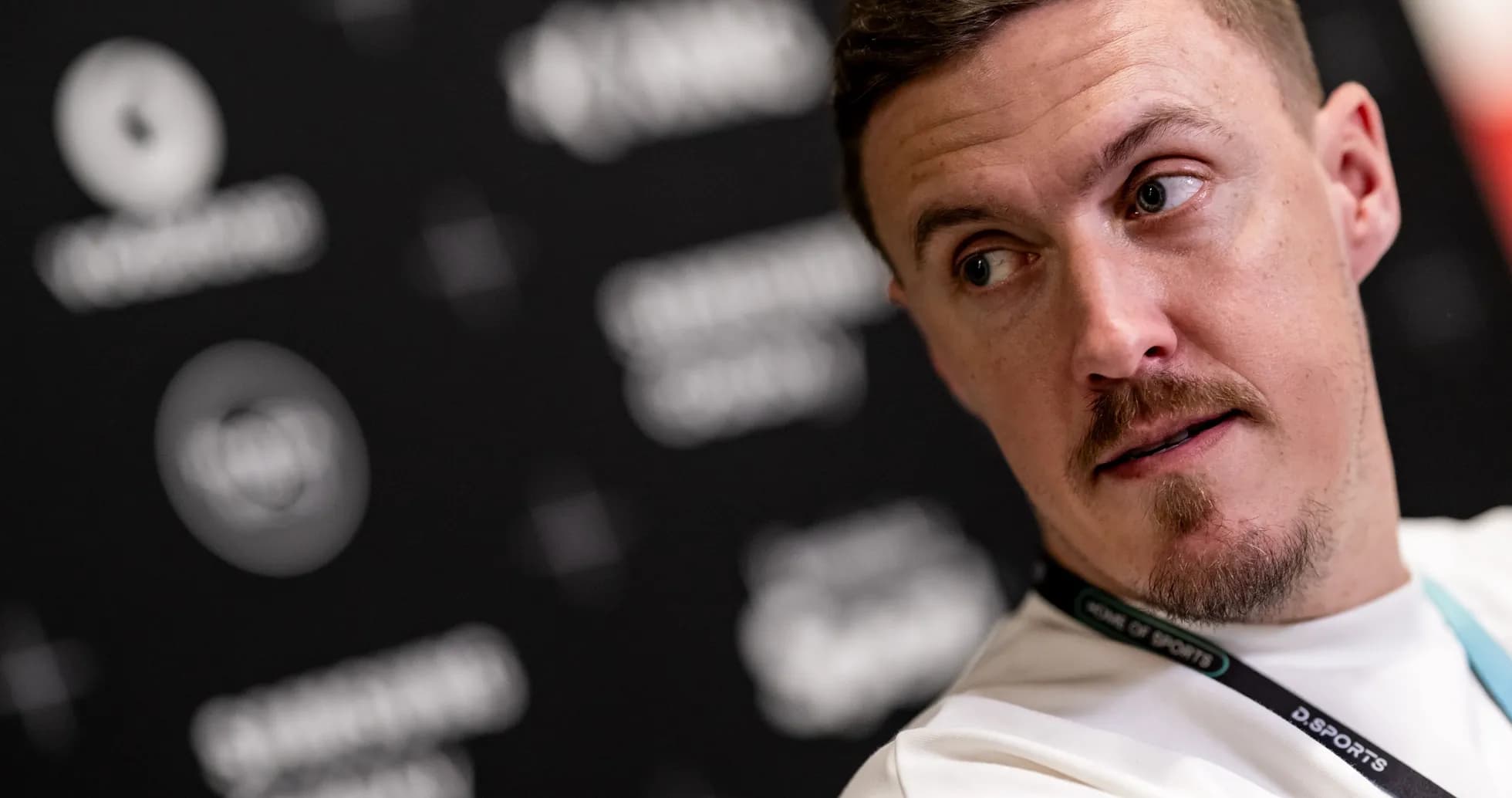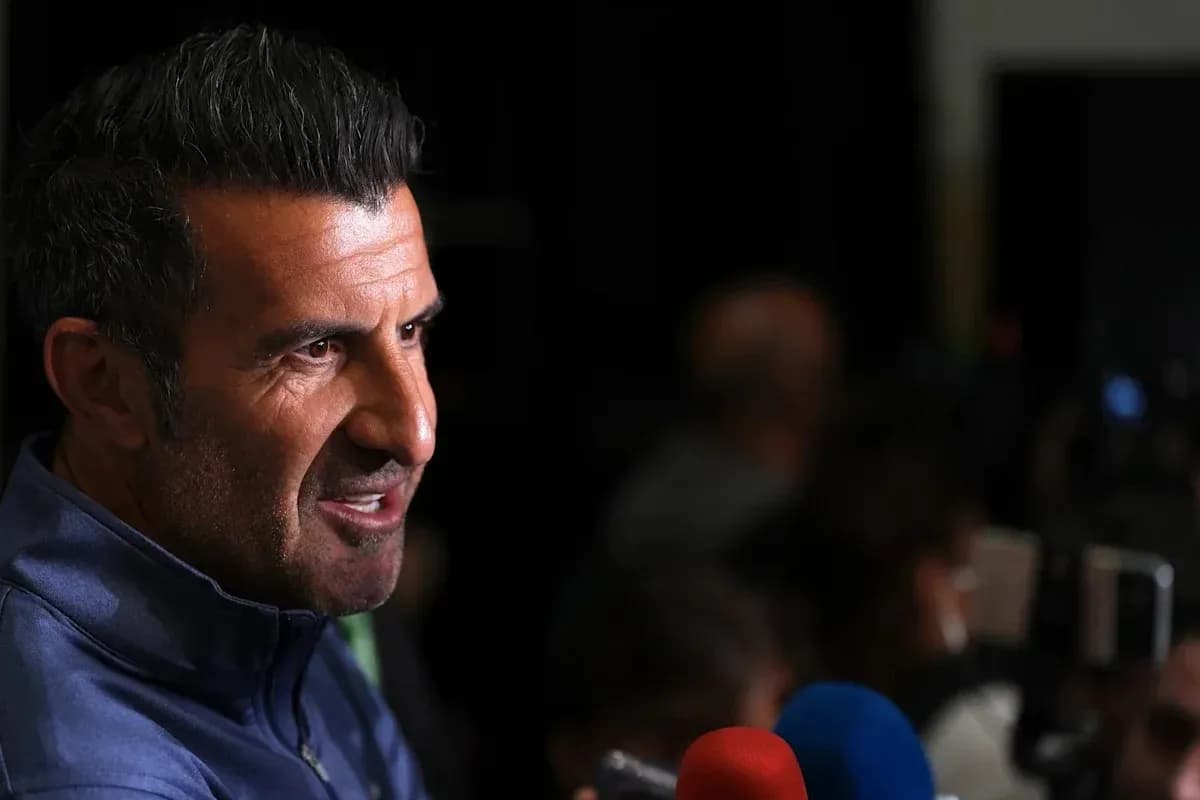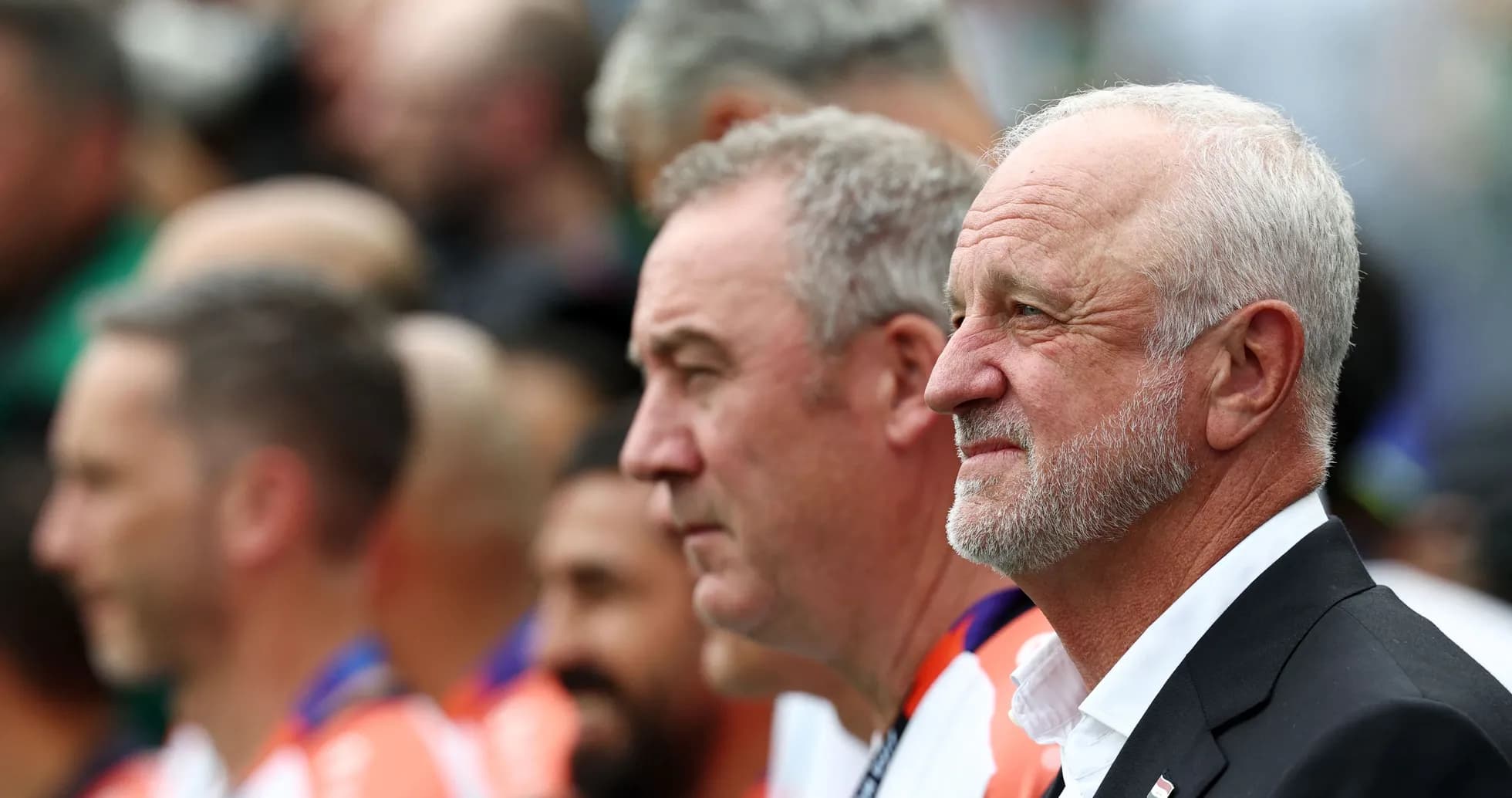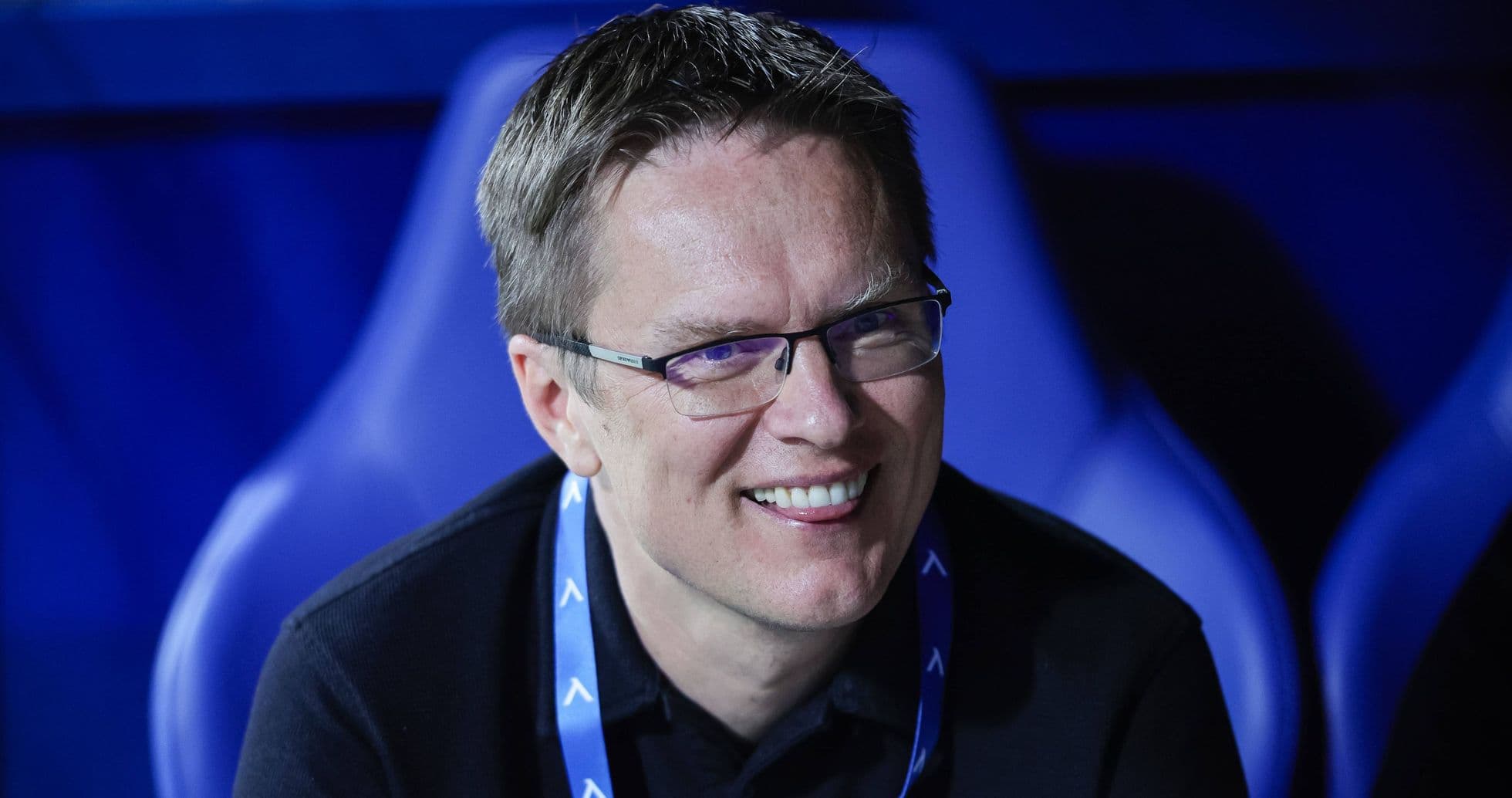
Valdas Dambrauskas walks out at Old Trafford this week carrying more than a clipboard and a game plan. He carries Masazir with him. He carries Lithuania. He carries the improbable idea that a man from a basketball country and a club barely out of its infancy can stride into the Champions League and demand to be taken seriously.
From a town of 19,000 on the outskirts of Baku to the Theatre of Dreams. From a TV quiz show in Vilnius to the Champions League anthem. The journey borders on absurd. That is precisely what makes it compelling.
From quiz show to coaching badges
Back in 2002, there was no hint of Old Trafford in his future. No Champions League lights. Just a young Lithuanian sitting under studio glare on his country’s version of Who Wants to Be a Millionaire?.
He walked away with 4,000 litas. Not life-changing money on a global scale, but in Lithuania the equivalent of six months’ average wages. Enough to make a decision. Enough to buy a one-way ticket to a different life.
He chose London.
“My idea was to somehow try to go on these coaching courses to gain the badge,” Dambrauskas said. “England for me sounds like opportunities.”
London did not roll out a red carpet. It handed him mops and tools. To pay for his studies at London Metropolitan University, he juggled up to four jobs at once: gardener, handyman, floor polisher, newspaper deliverer. Days blurred. Nights disappeared. The dream stayed sharp.
The break finally came in 2004. Manchester United Soccer Schools brought him in as a youth coach. The Lithuanian who had grown up in a basketball-obsessed country now wore United colours, teaching kids how to pass, press, and think.
Twenty years later, he returns to Old Trafford not as a guest coach, but as the manager in the opposite dugout.
A nomad with 13 trophies
In 2010, Dambrauskas left England and set off on a career that rarely stayed still. Lithuania, Latvia, Bulgaria, Croatia, Azerbaijan. Five countries, 13 trophies. A CV built not on glamour but on graft and adaptability.
He became the first Lithuanian coach to earn a UEFA licence through the London FA. From there, he immersed himself in tactical ideas across Europe, learning how different football cultures solve the same problems: how to press, how to build, how to survive.
The job offers were not always glamorous, but they were steps. Each new league, each new dressing room, another layer of experience. He built a reputation as a detail-obsessed organiser, a manager who could walk into unfamiliar surroundings and still find a way to win.
That restlessness eventually led him to Azerbaijan and a club barely old enough to remember its first training session.
Sabah’s unlikely rise
Sabah are nine years old. In European terms, they are not a sleeping giant; they are a newborn. Yet under Dambrauskas, this young club has moved with astonishing speed.
In his debut season in 2026, he delivered a domestic league and cup double. That alone would have been a statement. It turned out to be just the opening chapter.
This summer, Sabah did something no one had managed before: they became the first team starting in the first qualifying round to fight through four knockout ties and reach the main phase of the Champions League. No shortcuts. No seeding privileges. Just relentless progress through the back door of Europe’s elite competition.
Each round raised eyebrows. Each round raised the stakes. By the time they sealed qualification, Sabah had gone from a curiosity to a story that demanded attention.
For Masazir, a town of 19,000, this is not just a football adventure. It is a civic rebrand. The name now sits on fixture lists alongside Manchester United, Barcelona, Borussia Dortmund, Napoli, Arsenal, Villarreal. Places that have shaped European football history. And now, improbably, Sabah.
Full circle at Old Trafford
Dambrauskas first stepped into Old Trafford in 2004 as a youth trainer with Manchester United Soccer Schools. He was there to learn, to watch, to soak in the scale of the place.
Two decades on, he walks down the same tunnel with his own team behind him.
“To go through that tunnel on to that pitch is beyond my imagination,” he said. “Now is the time to show that we can compete.”
The fixture against Manchester United is more than a glamour tie. It is a test of whether Sabah’s rapid rise can withstand the heat of one of world football’s most demanding stages. For Dambrauskas, it is the moment when every odd job in London, every overnight shift, every long bus ride in lesser-known leagues feels justified.
A brutal group, a rare opportunity
The schedule that awaits Sabah is unforgiving. After Old Trafford, they return to Baku to host Borussia Dortmund, Barcelona, and Napoli. They will also travel to Arsenal and Villarreal.
This is not a gentle introduction to the Champions League; it is a plunge into the deep end. European nights in Baku will bring some of the continent’s most recognisable colours and crests into a stadium that, until recently, sat far from the competition’s spotlight.
For Sabah’s players, these matches are a shop window and a stress test. For their coach, they are the culmination of a 20-year pursuit that started with a quiz show question and a calculated risk.
Dambrauskas comes from a country where basketball fills the arenas and dominates the conversation, yet he knew by the age of 12 that his future lay on a football touchline. That certainty has carried him across borders, through lower-profile jobs, and into a position no Lithuanian manager has held before.
Now he stands at the edge of the Champions League, leading Azerbaijani champions from a small town into stadiums that shaped his ambitions.
The tunnel at Old Trafford is short. The road to reach it was anything but.