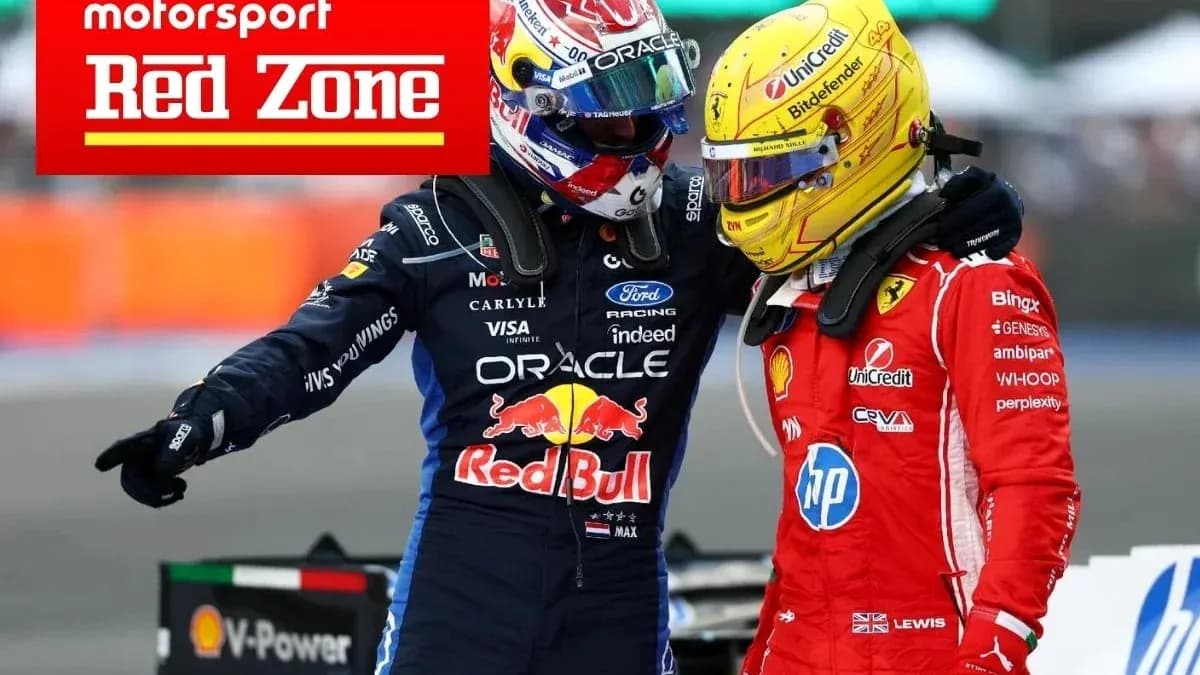
Max Verstappen walked away from Mexico with another winner’s trophy and a clear conviction: what cost Ferrari in Mexico is exactly what he would never allow if he were running a team.
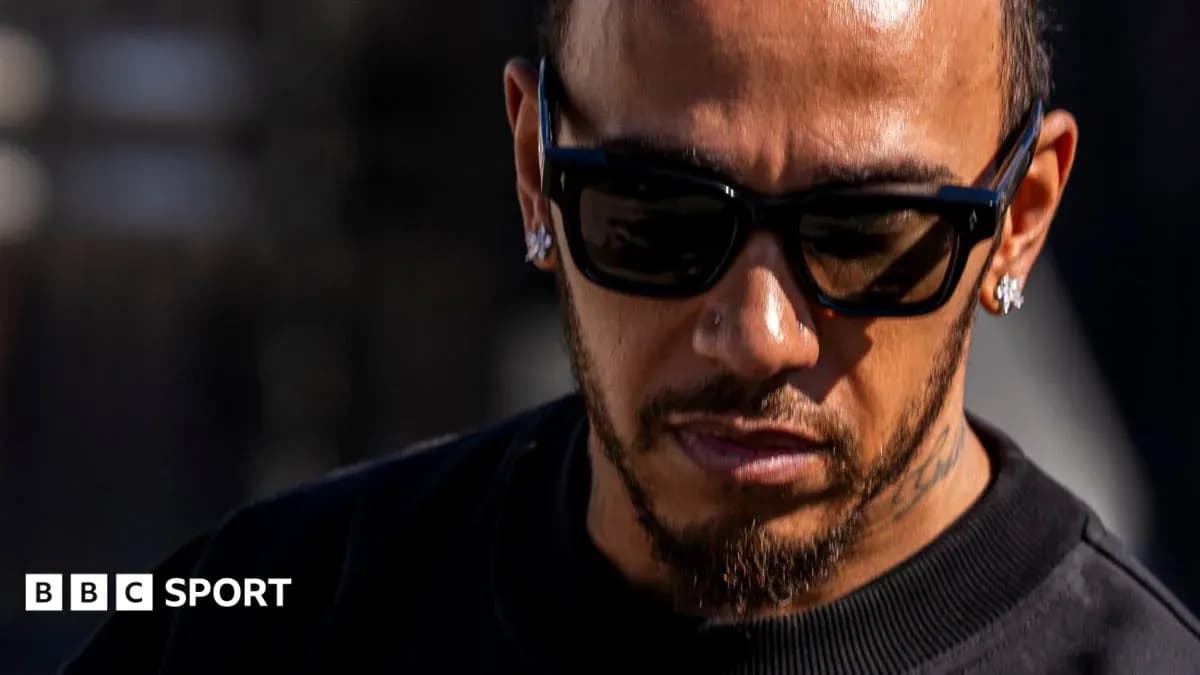
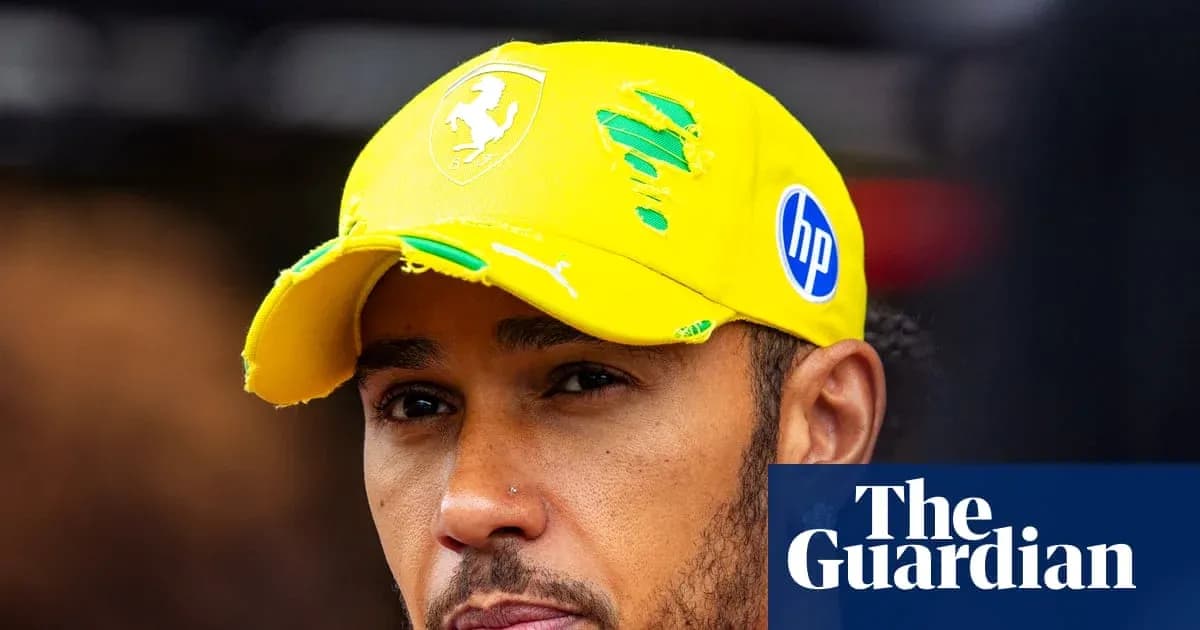
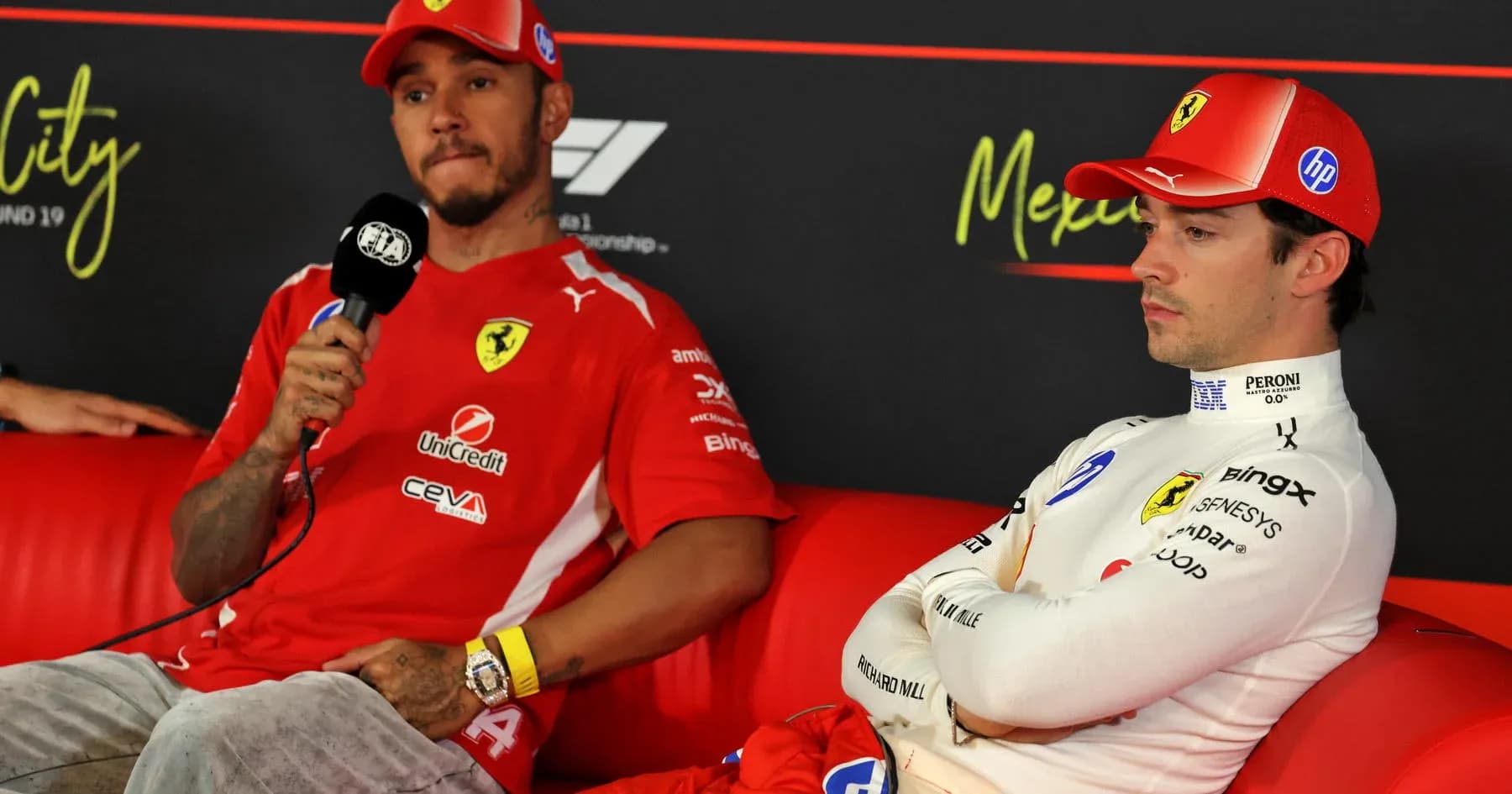
The Dutchman pounced at Autodromo Hermanos Rodriguez as Lewis Hamilton and Charles Leclerc tore into each other on the opening lap. Ferrari’s two heavyweights went wheel-to-wheel, Hamilton muscled his way into the fight, and in the chaos Verstappen slipped through, controlled the race, and won. Hamilton recovered to second. Leclerc crossed the line fourth and then slipped further back with a time penalty.
From Verstappen’s point of view, that scrap between two de facto team leaders was the gift that sealed his victory.
Speaking to Viaplay over the Sao Paulo Grand Prix weekend, Verstappen did not soften his stance.
“I've said it before, and a lot of people often don't agree, but if I was a team principal, I'd never get two number one drivers because then you get things like this,” he said. One simple principle, laid bare. Two drivers who both believe they are the main man will not back down. “One won't yield for the other because they both think they can win, and that's how I am too. And if I was a team principal, I'd change this.”
In his eyes, Ferrari’s problem was not raw speed. It was hierarchy.
Verstappen argued that a clear pecking order would have transformed that explosive first corner. “If you had a clear number one and number two, they would've gone through the first corner as P1 and P2 and finished like that. Or P1 and P3, that's fine too, because as a team you're still scoring great points.”
That is the heart of the debate now swirling around Maranello. Ferrari has repeatedly insisted that both drivers are free to race. No explicit number one. No official number two. Freedom, but with a cost when the margins are this fine.
The fallout from Mexico bled into a bruising weekend at Interlagos. Ferrari left Brazil with just six points as Leclerc and Hamilton finished eighth and ninth. On paper, the Scuderia still holds a strong position: second in the constructors’ standings, 95 points clear of Red Bull with three races to go. On track, though, the mood has been edgy.
Team principal Fred Vasseur moved quickly to contain it. He flew back to Europe between the two races, then reconvened with his drivers and called a meeting to clear the air before Sao Paulo truly got underway.
“We did [the meeting] yesterday evening because I had to fly back to Europe between the two races, but it went well,” Vasseur said at the circuit. “It was good to discuss, good to clarify my position and their position. It was good to do and now we turn the page and we are focused on the next one.”
The message was not about slowing down the fight, but about sharpening the boundaries.
“The guidelines is still the same,” Vasseur explained. The Frenchman pointed to an “accumulation of fact” as Leclerc and Hamilton have started side-by-side weekend after weekend, tension building with every shared front row and every contested first corner.
“They accumulated perhaps a bit of frustration because they are starting each weekend side-by-side and you have a kind of accumulation of fact. But at the end of the day, the guidelines is always the same.
“They need to respect each other, they are two competitors with the fighting spirit for sure, but they need to have respect for the other one, but mainly and firstly, they need to respect the brand, the team, the people working at home, the people working on track. I think we are putting a lot of effort on this, and the message was clear and will stay clear.”
So Ferrari holds its line: no declared number one, no Verstappen-style hierarchy. Two stars, one badge, and a thin line between healthy rivalry and self-sabotage.
Verstappen, watching from the other side of the garage divide, believes that line has already been crossed. The standings say Ferrari’s approach still works. The last few races suggest it might soon be tested to breaking point.