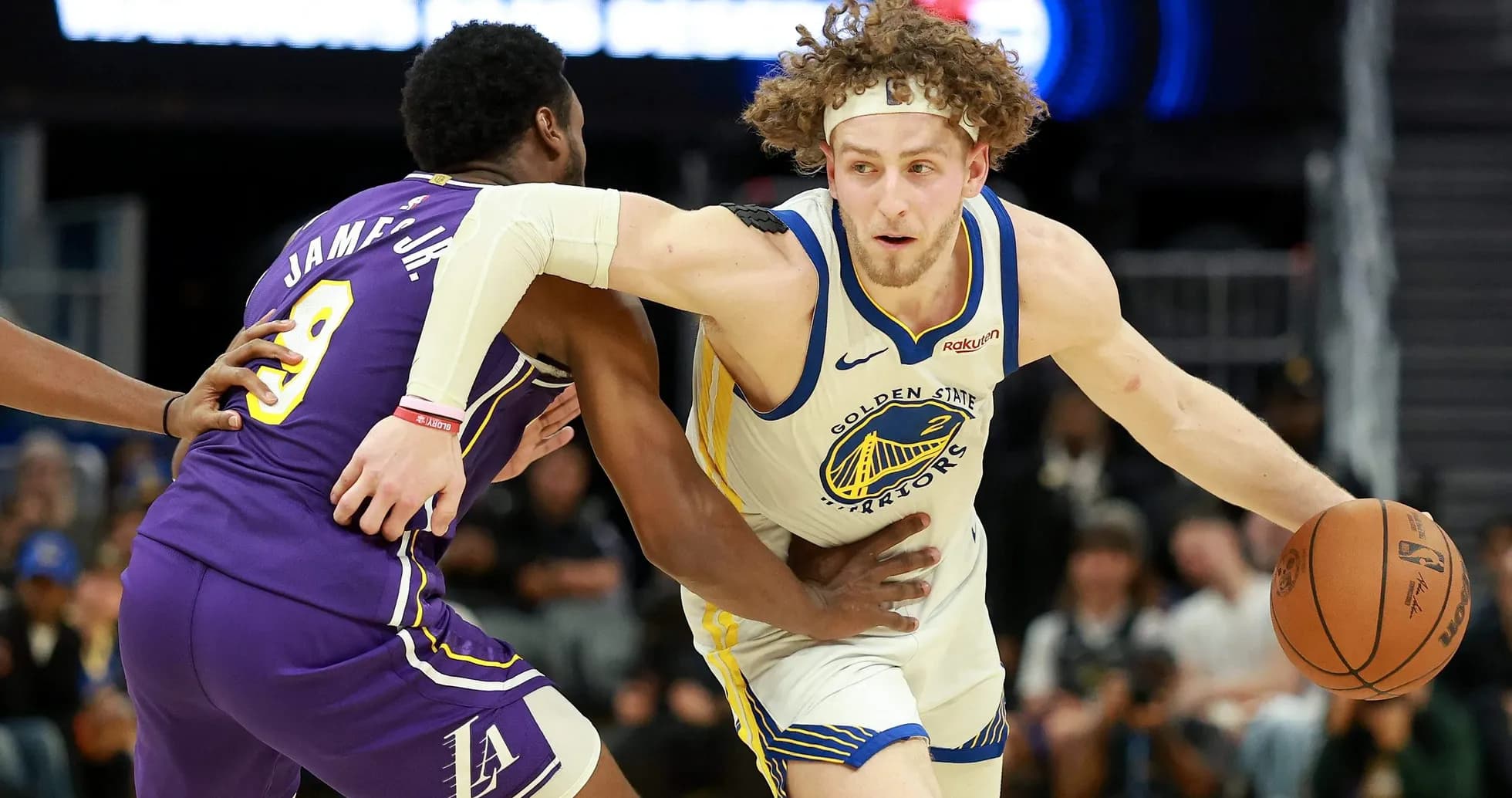
Golden State Warriors: Navigating the Future with Podziemski
The Golden State Warriors have spent the summer walking a tightrope: keep the window open for Stephen Curry without chaining themselves to contracts that age badly around him. Every move, every rumor, has circled the same dilemma — how much of the future are they willing to spend on the present?
A new trade concept pushes that question right to the edge.
A Three-Team Gamble Built Around One Young Guard
Bleacher Report’s Zach Buckley floated a three-team blockbuster involving the Warriors, Detroit Pistons and Dallas Mavericks. On paper, it’s simple enough.
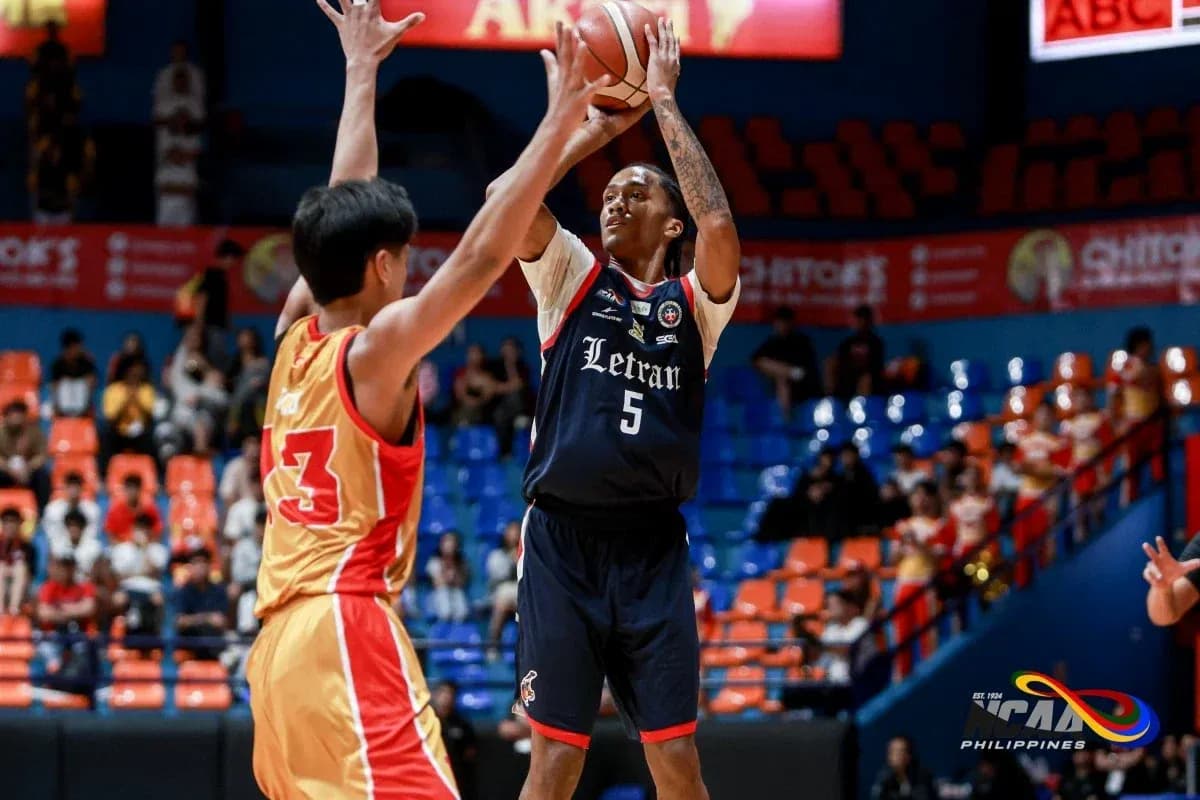
Golden State would receive P.J. Washington and Taurean Prince, plus two second-round picks from Detroit. Dallas would land Brandin Podziemski and Moses Moody. The Pistons’ motivation centers on a swing for Kyrie Irving.
For the Warriors, though, everything in this hypothetical revolves around one name: Podziemski.
Is Washington — a proven, playoff-tested forward — enough of an upgrade to justify sending out a 23-year-old guard who wants to be part of the franchise’s next era and is about to get expensive?
That’s not a cap sheet question. That’s an identity question.
Podziemski’s Price Tag and the Shadow of Kuminga
Podziemski didn’t leave much room for ambiguity after last season.
“I want to be here for the long term,” he told the San Francisco Chronicle in April.
The Warriors, publicly at least, are on the same page. General manager Mike Dunleavy Jr. has already said the team would prefer to extend Podziemski “sooner rather than later.”
The sticking point is money.
ClutchPoints’ Brett Siegel projected Podziemski’s next deal in the $22 million to $24 million per year range. Golden State, by contrast, is believed to be more comfortable in the $15 million to $18 million window.
That’s not a minor disagreement for a team that just spent a year wrestling with the Jonathan Kuminga saga.
Those negotiations dragged into restricted free agency amid disputes over value and control. Kuminga ultimately signed a two-year, $46.8 million extension, was traded to the Atlanta Hawks during the season, then accepted a two-year, $12.4 million deal with the Minnesota Timberwolves after turning down a richer offer from the Los Angeles Lakers.
The situations are different. Podziemski has been vocal about wanting to stay. The Warriors have been clear they want him around.
But the scar tissue is there. After pouring time and energy into Kuminga’s future only to move on from him, the front office now faces a familiar fork in the road: pay Podziemski at his number, test the volatility of restricted free agency next summer, or flip him now for veterans who can help Curry immediately.
What Washington Brings Right Now
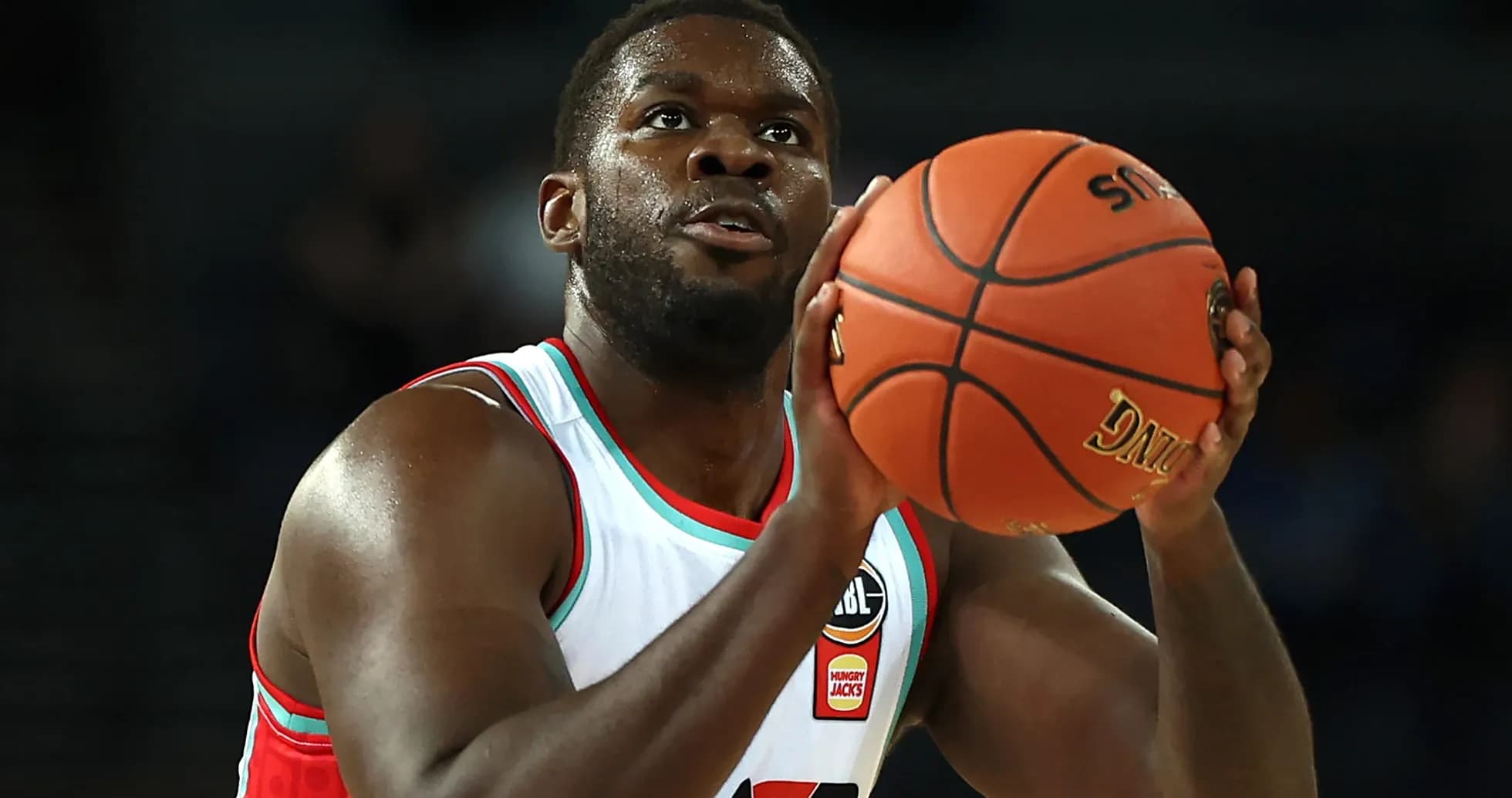
From Golden State’s vantage point, P.J. Washington is the centerpiece.
The 6-foot-7 forward checks several boxes this roster keeps circling: size on the wing, defensive versatility, enough shooting to stay on the floor deep into playoff games, and real postseason experience. On a team that has to manage minutes and legs more carefully than ever, he fits the profile of someone who can absorb heavy work right away.
With Jimmy Butler and Moody both recovering from significant knee injuries, Washington could walk into major wing minutes from day one. He could start until Butler returns, then slide into a crucial rotation role once the lineup is whole.
Taurean Prince would add another reliable veteran presence — a shooter who can guard multiple positions and doesn’t need the ball to impact games. The two second-round picks from Detroit would give Golden State extra draft capital, the kind of small but useful chips that can grease the wheels of a future deal.
On the surface, it looks like a classic “win-now” move.
But the cost bites.
The Risk of Cashing Out Too Soon
Podziemski just finished a rookie season that checked every box the Warriors care about. He averaged 13.8 points, 5.1 rebounds and 4.6 assists while playing all 82 games. On a roster that has grown older, more fragile and more dependent on careful load management, that kind of durability isn’t a footnote. It’s a premium.
He didn’t fade late, either. Podziemski averaged 18.1 points across March and April, suggesting his learning curve is pointing sharply upward, not flattening out.
Moody, meanwhile, remains one of Golden State’s more intriguing young wings: still developing, still inconsistent, but still valuable in a league obsessed with length, shooting and switchability.
Buckley’s proposal has the Warriors sending both Podziemski and Moody out without bringing back a single first-round pick. They’d be trading two of their more attractive young assets for players who undeniably raise the team’s floor today — but may not move the title ceiling enough to justify the sacrifice.
That’s the tension at the heart of this idea.
Washington and Prince help Curry right now. They patch holes. They make a playoff rotation sturdier. They give Steve Kerr more trustworthy options on the wing.
They also remove the looming Podziemski extension from the equation, potentially sidestepping a negotiation that could soon push north of $20 million per year.
But once you move a 23-year-old who wants to stay, there’s no getting that clock back.
The Warriors know from experience how quickly a young player’s contract can become a subplot that hovers over everything. They also know how quickly a championship window can slam shut.
So the real decision isn’t just about Washington versus Podziemski. It’s about what Golden State wants to be in the final chapters of Curry’s prime: a team that squeezes every last drop out of the present, or one that tries to bridge eras without ever fully committing to either side.
Which risk do they trust more — negotiating with Podziemski, or trading him away before they ever have to?