
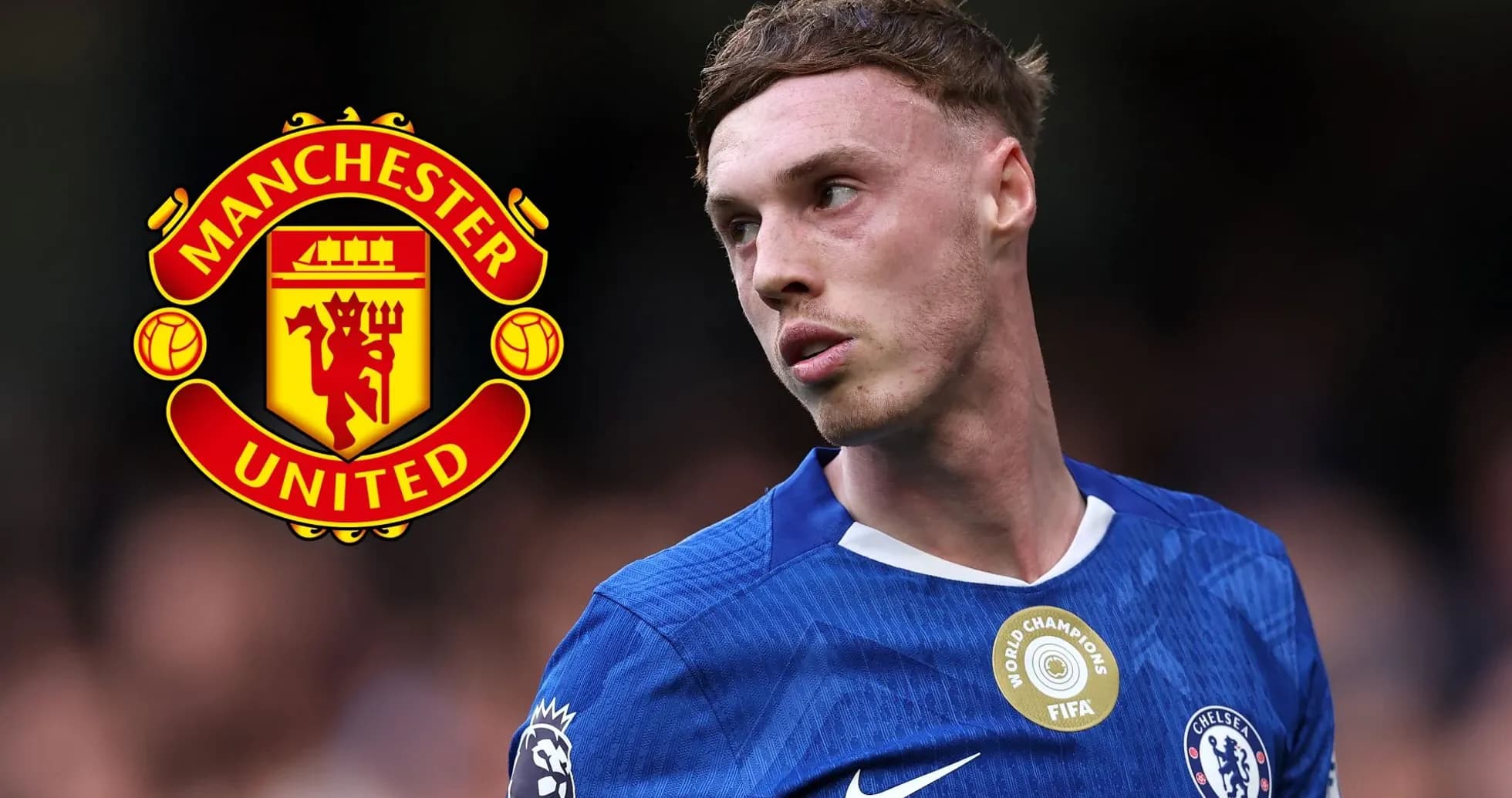
Xabi Alonso did not bother with ambiguity. Asked whether Cole Palmer had ever been close to joining Manchester United in the summer, the Chelsea head coach cut the story off at the root and made it clear his main creator was never on the market.
The links made sense on paper. Palmer, born in Manchester and a boyhood United fan, had just come through a bruising season in west London. His numbers dropped, his rhythm vanished, and the whispers began. A homecoming to Old Trafford? A reset away from Stamford Bridge? Not for a second, according to Alonso.
Summer noise, firm response
Palmer’s campaign last term never really got going. A persistent groin problem dragged behind him for months, stripping him of sharpness and limiting him to 34 appearances in all competitions. The season before, he had played 52 times. That sudden drop-off, coupled with Chelsea’s own turbulence, opened the door to speculation that the forward had grown unsettled.
United’s interest only added fuel. The narrative wrote itself: the United-supporting attacker struggling in London, the club from his hometown circling, the idea of a marquee move to Old Trafford. As Palmer rehabbed and Chelsea stumbled, the rumour mill roared.
Chelsea, though, went the other way. Once his fitness cleared, the club moved quickly to lock him down, handing him a new long-term contract earlier this month. That decision underlined how they view him: not as a dispensable asset, but as a pillar of the project.
Alonso’s words on Friday simply matched the club’s actions.
“There were no talks”
The Chelsea manager acknowledged that the two clubs did speak in the summer – but not about Palmer. The discussions centred on Andrey Santos, whose future was on the agenda during negotiations between Stamford Bridge and Old Trafford.
That was as far as it went.
“There were no talks about [him leaving] and he was always part of the plans,” Alonso said. “There were no discussions about him not being here.”
No caveats. No suggestion that a deal broke down late. Just a flat denial that Palmer’s name ever entered the room.
It was a pointed message, both to those outside the club and to the player himself. Palmer is not a makeweight in someone else’s deal. He is central to what Alonso wants Chelsea to become.
Demanding more on the biggest stage
Now comes the part that really matters: what Palmer does with the ball at his feet.
With the transfer window closed and his injury issues finally behind him, attention turns to his influence in the biggest games. Palmer has already shown he can dominate for Chelsea, but his manager wants more consistency against the Premier League’s elite.
Alonso didn’t hide that demand. He challenged his attacking players, Palmer included, to leave a mark when the lights burn brightest.
“Everyone needs to show the best level in all the games, but in the big ones sometimes it’s harder because of the opponent’s quality, the quality of the game,” he said. “We need to support the attackers to get the ball in the right place, that they are involved, that they are connected to the game.”
That last line is crucial. Alonso is not simply asking Palmer to conjure something out of nothing; he is putting responsibility on the structure around him. Chelsea must feed their forwards, keep them on the ball, keep them alive in the contest. When they do, Alonso believes, players like Palmer can tilt matches on their own.
A boyhood dream in the firing line
All of which sets up a compelling scene at Stamford Bridge on Saturday.
Chelsea host Manchester United in a fixture that rarely tiptoes. It carries weight, history, and – this time – a sharp personal edge for Palmer. He faces the club he grew up supporting, the badge he once dreamed of wearing, now cast firmly as the opponent he is paid to dismantle.
He does so with a new contract in his pocket, a clean bill of health, and a manager who has publicly nailed his colours to the mast. No transfer saga. No uncertainty. Just expectation.
For Alonso, the message is simple: Palmer is Chelsea’s. For Palmer, the response now has to come on the pitch, in a game tailor-made to show exactly why the club never even considered letting him go.





