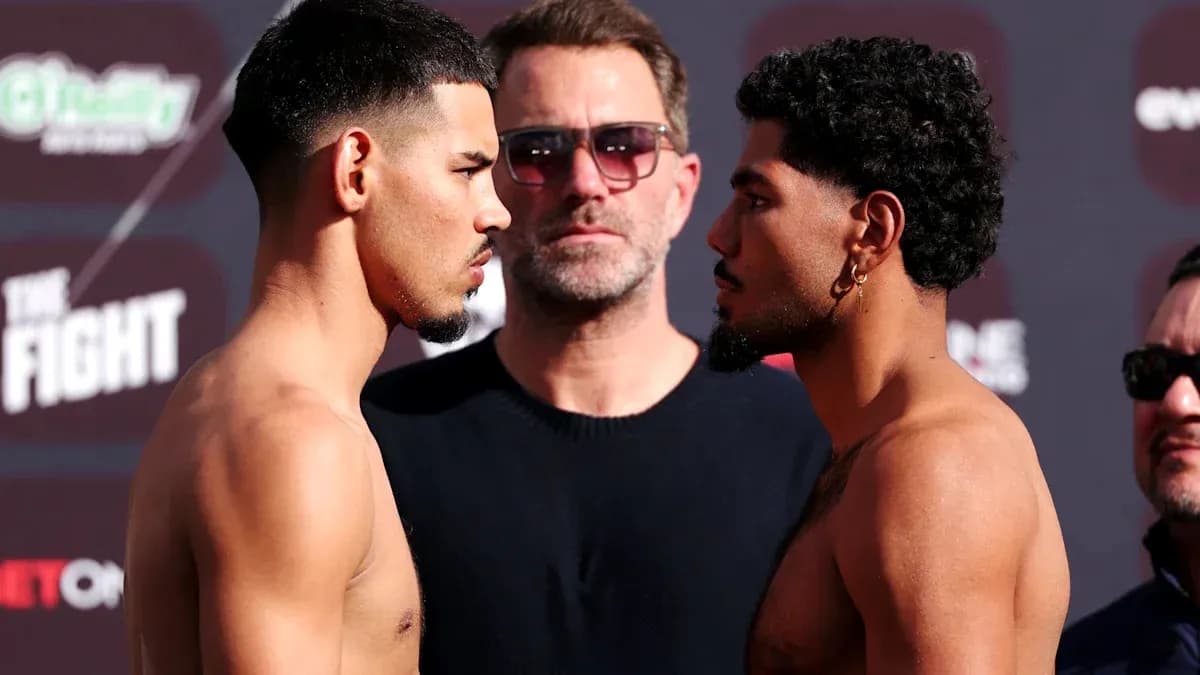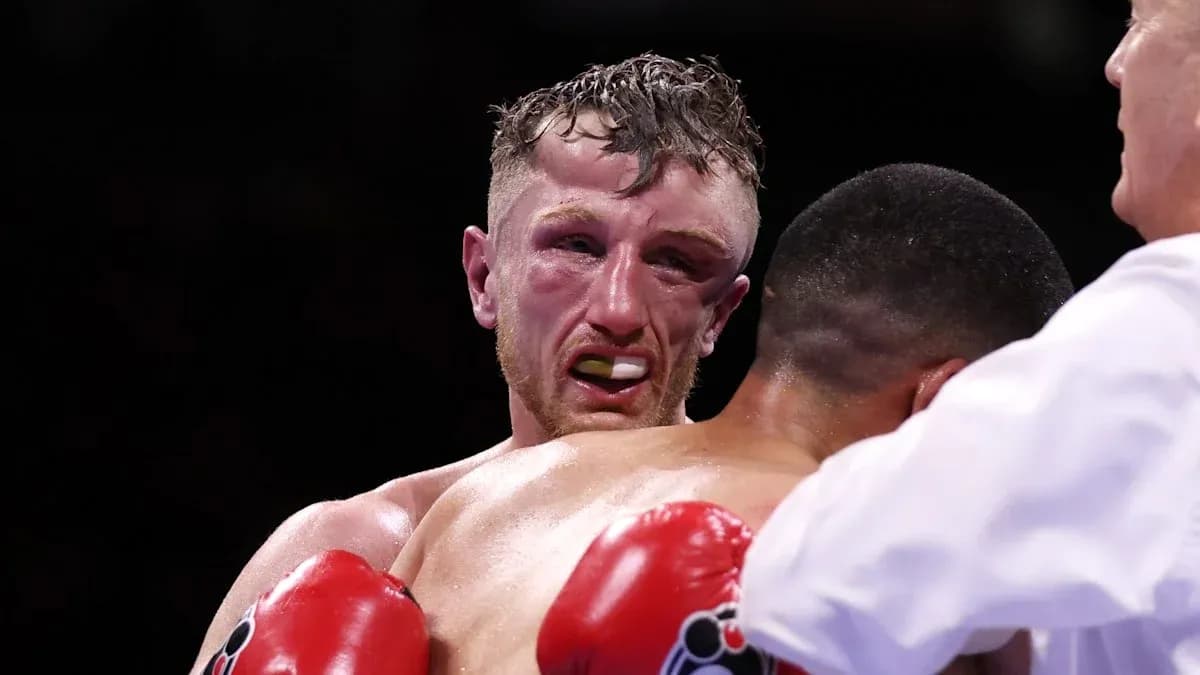
The noise inside Manchester’s AO Arena changed in an instant. One moment it was the familiar roar of a British title fight deep in the trenches. The next, it was a murmur of unease as eyes turned not to the action, but to the side of Zak Miller’s head.
What began as a routine clash of heads in round seven of Miller’s British featherweight contest with Gully Powar spiralled into one of the most alarming injuries seen in a British ring in years. An accidental coming together, the kind you see in countless fights, left Miller with a haematoma. At first, ringside medics checked him, cleared him, and the fight rolled on.
Then the swelling took over.
It ballooned grotesquely on one side of his skull, pushing out under the skin in a way that made even hardened boxing men wince. As the rounds ticked by, the lump didn’t just grow; it seemed to migrate, moving across the front of his head, reshaping his profile in real time under the arena lights.
The atmosphere shifted from excitement to anxiety. Every jab, every clinch, every exchange drew a sharp intake of breath. Critics quickly questioned why the bout had been allowed to continue beyond the seventh, when the head clash first occurred and the damage began to show. By the 10th, there was no debate left.
The referee stepped in. The doctors followed. The fight was waved off, handing Powar the victory but leaving the result as a footnote to the image on the big screens.
“It was horrific. I’ve never seen that before, to be honest,” he said. “It started on one side of his head and then it moved to the other side. It was awful for him, and to watch, and very worrying.
“The referee and the doctor were right in stopping the fight. He went to hospital for observation, he’s home now. Honestly, I’ve never seen anything like that.
“I’ve seen horrible cuts, eye injuries, and so forth, but I’ve never seen anything like that. The fight got stopped and he’s in a good place now and he can fight another day. He’s with us, Queensberry, and we will make sure he gets whatever he needs in the future.”
Former world champion Carl Frampton, on commentary duty, echoed the sense of shock, calling it the worst injury of its kind he had seen.
The immediate priority was clear. The 29-year-old Miller was taken from the ring, assessed again inside the arena, then rushed to hospital as a precaution. Hours later, the first sliver of relief arrived. His manager, Kevin Maree, reported that Miller was “doing well” after his checks.
“Zak really is a special person, and the sheer number of people asking about him and checking on his wellbeing last night shows just how much he means to so many,” Maree said.
“An accidental clash of heads caused significant swelling to the top of his head. Thankfully, the medical team are happy with how he is doing, and we expect him to be back to his handsome self very soon.”
The questions will linger. Should the fight have been stopped earlier, when the swelling first appeared? Did the desire to let a British title contest play out clash too closely with the duty of care owed to a fighter?
Those debates will run on in gyms and boardrooms. For now, the most important detail is simple: Zak Miller is home, under observation, and expected to recover. In a sport that so often flirts with disaster, walking away to “fight another day” is sometimes the only result that truly matters.