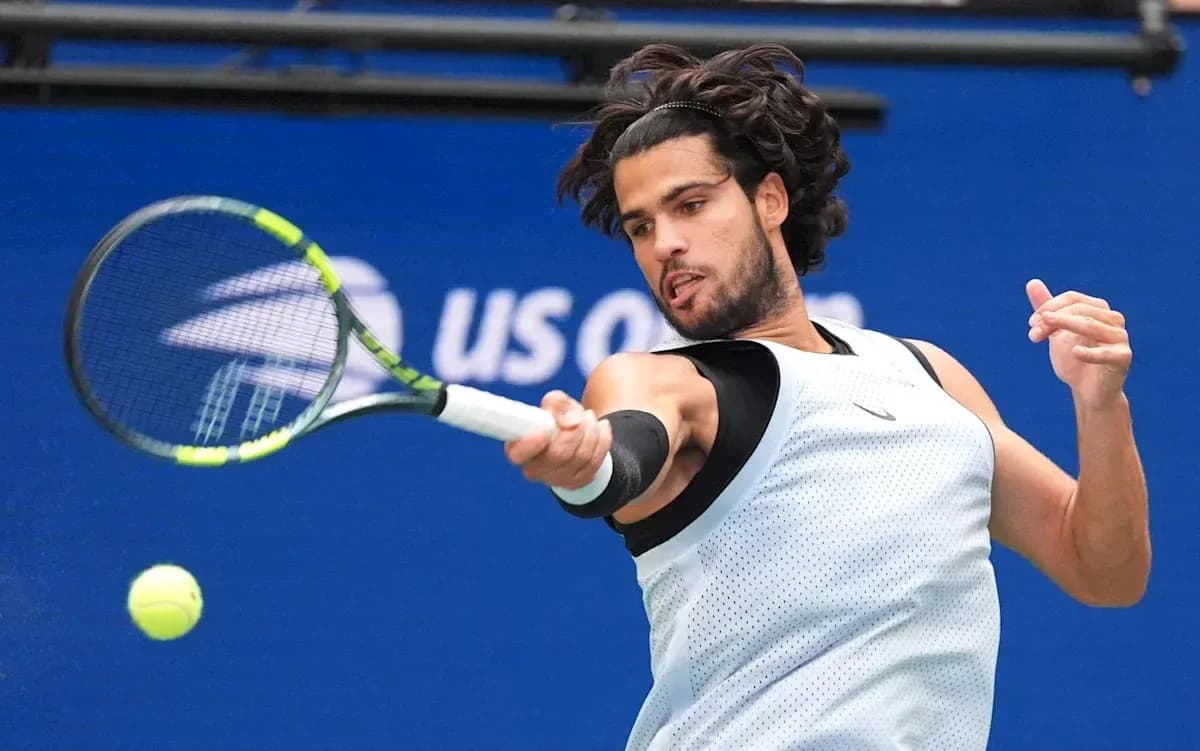
Carlos Alcaraz didn’t just return to the US Open. He stormed back into it.
After more than four months out with a right wrist injury, the Spaniard has hit New York like a summer thunderclap, brushing aside opponents and doubt in equal measure. On Sunday at Arthur Ashe Stadium, Tommy Paul was the latest to feel the full force, beaten 6-4, 6-3, 6-4 in a match that felt, at times, like a one-man forehand exhibition.
By the end, even Paul’s own coach was half-serious, half-laughing – and utterly stunned.
A Forehand That Left the Opponent’s Box Shaking Its Head
Brad Stine has seen a lot in this sport. He’s coached top players, walked the biggest stages, watched the game evolve. But what Alcaraz did off that forehand wing left him searching for words, and then reaching for a joke that carried a sharp edge of truth.
“Carlos’s forehand was absolutely astounding,” Stine told Tennis Channel after the two-hour, 20-minute defeat. “I actually said yesterday to a couple of people. I want to have them do drug testing on that racket.”
Then he pushed the point, still grinning, still baffled.
“I think there’s something. I think that racket’s juiced. It’s got to be juiced. It can’t be him, can it? Because every time he touches the ball with that racket, it just goes. It comes off like a cannon.”
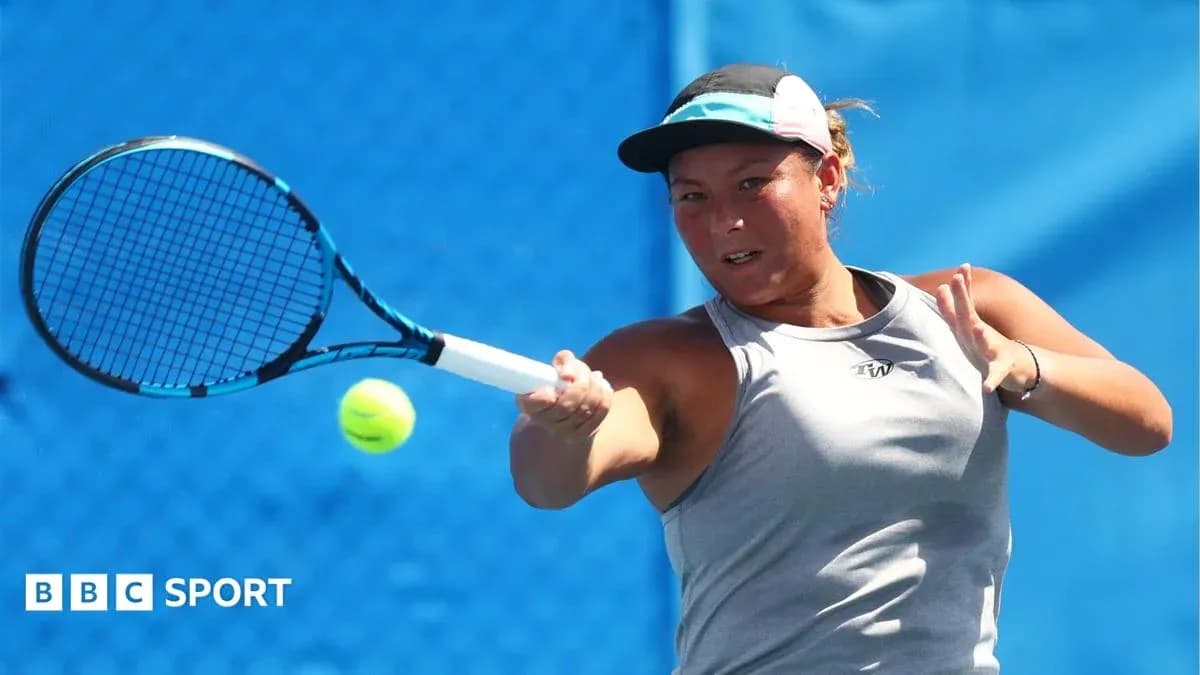
The cannon line wasn’t hyperbole. Alcaraz’s forehand repeatedly ripped through the court, turning neutral rallies into sudden, brutal endings. Paul, ranked No. 21 in the world and coming in with real confidence, spent long stretches reacting rather than dictating.
He had reason to believe he could do damage. Not long ago, he’d taken out Alexander Zverev at the Cincinnati Open, a win that underlined his hard-court credentials. Across the net now stood a second seed who hadn’t played a tour event since the Barcelona Open in April.
On paper, it looked like a window of opportunity.
On court, it closed fast.
A Ruthless Return to Major Business
Alcaraz has dropped just one set in his first four matches in New York. For a player coming off a lengthy layoff, the numbers are startling. The movement, the timing, the swagger – all back, all intact.
Paul never really found a way to drag him into the trenches. Each time the American hinted at a foothold, Alcaraz’s first strike game answered. A heavy serve. A forehand that tore into the corner. A passing shot that silenced any thought of a comeback.
The win carried more than just a ticket to the quarterfinals. It nudged Alcaraz into a small, select club. He has now beaten Paul at all four Grand Slam tournaments, becoming just the 10th man in the Open Era to defeat the same opponent at each of the majors.
Their head-to-head tells the story of a rivalry that keeps finding the big stage. Sunday’s result pushed Alcaraz’s record against Paul to 7-2. Before this meeting, their last clash came in the fourth round of the 2026 Australian Open, where Alcaraz again won in straight sets and went on to lift the trophy.
Paul knew the scale of the challenge before a ball was struck in New York.
“I think I’ve played him more than anybody on tour, for me, which is kind of crazy,” he said beforehand. “But yeah, we’ve had some good matches. One really bad beatdown at the French Open. But he’s the test. Him and Sinner; they’ve been playing great.”
On Sunday, that “test” felt more like an exam with no right answers.
History Made, Another American Awaits
The defending champion now turns toward another American, another night under the lights, another chance to deepen his hold on this tournament.
Ben Shelton stands next in line, a dangerous shot-maker with a booming serve and a taste for the big stage. Their quarterfinal is set for Tuesday, September 8, in the night session at 7:00 p.m. ET – prime time at Arthur Ashe, where the noise swirls and the court can feel like a stage built for only the boldest.
Alcaraz has already sent one American home. He has already reminded the field that a sore wrist may slow him down, but it doesn’t rewrite who he is at the majors.
The racket, as Brad Stine joked, might be “juiced.” The truth is more unsettling for the rest of the draw.
It’s the player holding it.