Court Confirms $2.84 Million Compensation for Robbie Williams Concert Cancellation
An Australian appeals court has confirmed that music promoter World Touring Melbourne is entitled to $2.84 million in compensation over the scrapped Robbie Williams concert at the 2020 Formula 1 Australian Grand Prix.
A three-judge panel dismissed the Australian Grand Prix Corporation’s appeal, locking in a 2024 Supreme Court of Victoria ruling that found the race organizers had breached their contract with the promoter and must pay for lost earnings.
A weekend that never happened
The Australian Grand Prix at Albert Park was shut down on March 13, 2020, just hours before the gates were due to open. COVID-19 fears had been building all week, but the final call came late. Some fans were already lining up at the entrances when the announcement dropped.
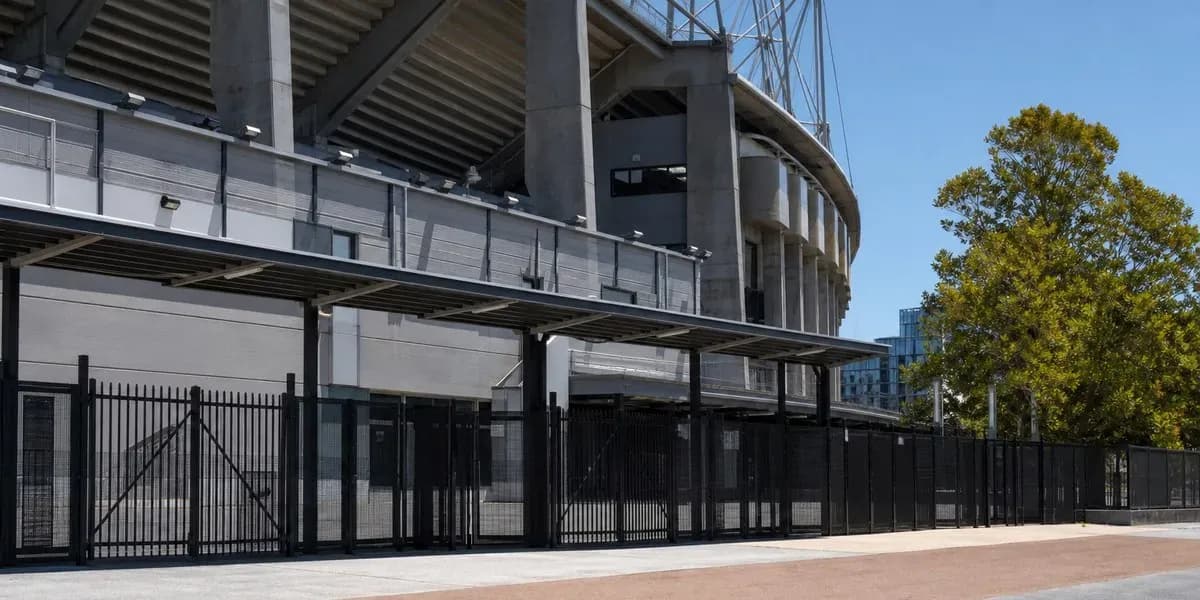
Robbie Williams was due to headline at Lakeside Stadium the following day as part of the race weekend’s entertainment programme. When the Grand Prix fell, the concert went with it.
Yet Melbourne did not fall completely silent that weekend. Other events went ahead, including National Rugby League fixtures and a concert at the Sidney Myer Music Bowl, underscoring the confusion and mixed messaging that defined those frantic early days of the pandemic.
Misleading the promoter
In his 2024 decision, Justice Clyde Croft found that the Australian Grand Prix Corporation had misled World Touring Melbourne over why the Williams concert could not proceed in its planned format.
Central to the case was the role of Victoria’s then chief health officer, Brett Sutton.
At 4:25 p.m. on March 13, organizers emailed World Touring Melbourne, stating that Sutton had advised either cancelling the Grand Prix outright or staging it without spectators. The implication for the promoter was clear: health authorities had effectively shut the door on the Williams show.
The court found that this was not what had actually happened.
Earlier that same day, Sutton had written to Grand Prix officials saying he supported cancelling the Robbie Williams concert, but stressed that the final decision rested with the organizers themselves. No formal order barred the event from going ahead in its planned format.
Justice Croft ruled that by presenting Sutton’s position as a directive rather than advice, the organizers misled the promoter and breached their contractual obligations. The appeals court has now backed that view, unanimously rejecting the attempt to overturn his findings.
The legal battle over that lost weekend is now settled. The questions it raises about accountability and decision-making in the chaos of early 2020 will linger far longer.