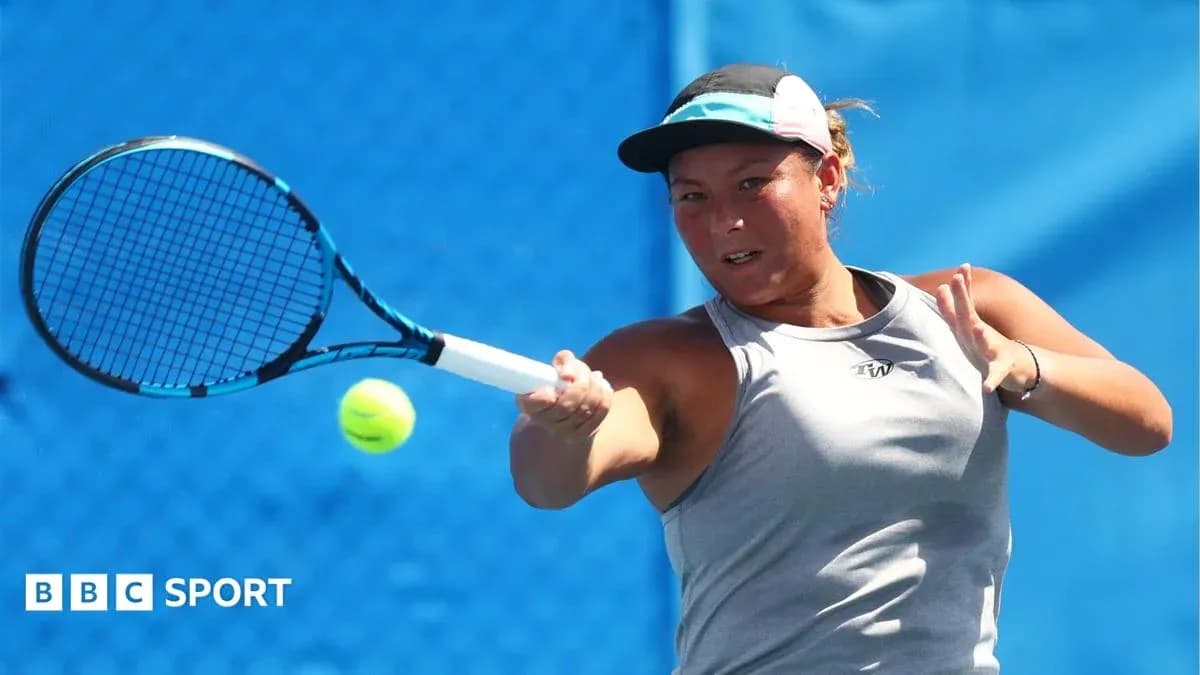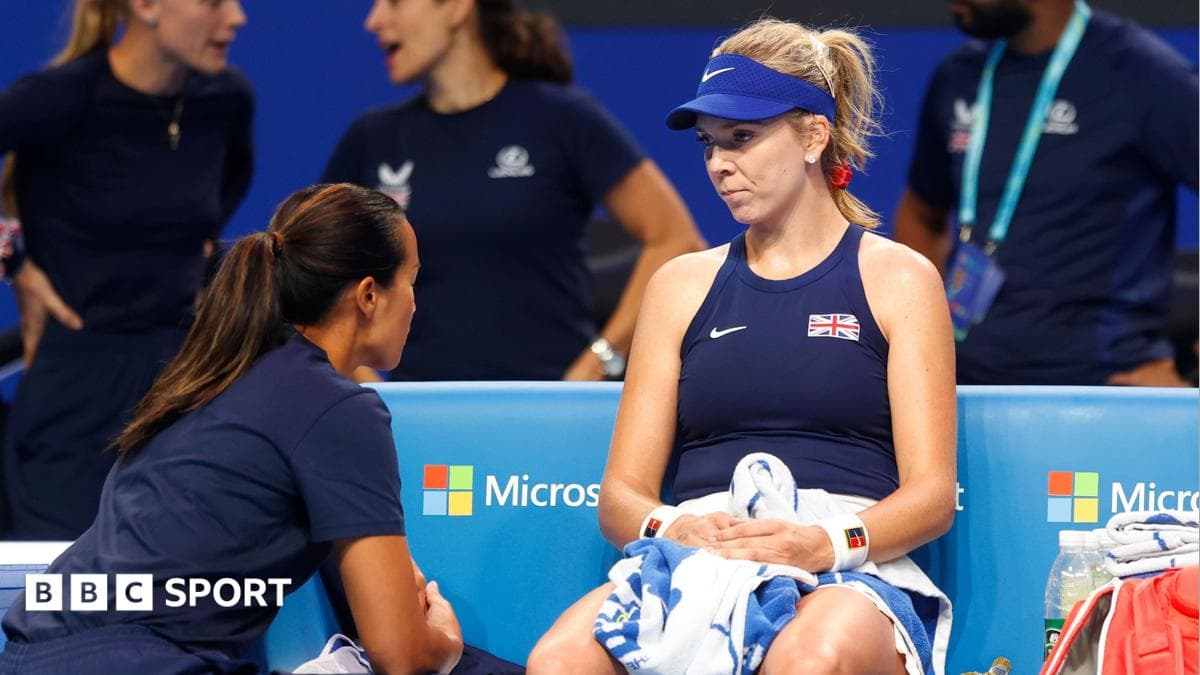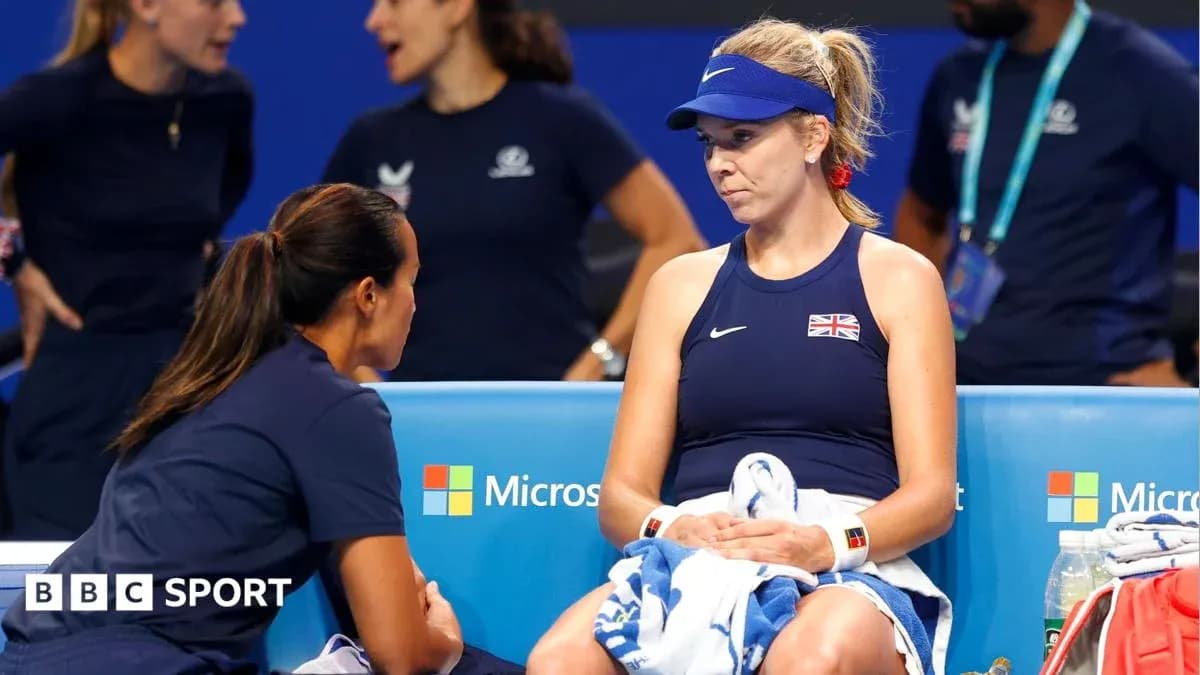
Great Britain’s Billie Jean King Cup campaign ended under the weight of Czech firepower, as Sonay Kartal’s heroic return and Katie Boulter’s resistance were not enough to prevent a 2-0 quarter-final defeat.
Anne Keothavong’s side arrived as underdogs on paper and left with the rankings brutally underlined on court. All five Czech singles options sit above every British player in the standings. On this evidence, the numbers told the truth.
Kartal’s marathon return falls agonisingly short
If Britain were going to spring an upset, it was always likely to start with grit rather than glamour. Kartal supplied it in full.
Playing her first match since retiring injured in the fourth round at Indian Wells in March, and coming off six months out with a lower back problem, she walked into a three-hour test against world number 26 Marie Bouzkova and refused to back down.
She struck first. Kartal began sharply, broke early, and looked anything but a player short of matches. The timing, the movement, the intent – all there. But Bouzkova, seasoned and stubborn, hit back immediately. Once the opener reached a tie-break, the Czech tightened her grip, racing through it 7-2 to edge a set that had felt within Kartal’s reach.
The British No. 2 did not fold. She broke early again in the second set and this time held her nerve, protecting her lead and dragging the contest into a decider. Every rally started to feel like a small act of defiance.
Then came the moment that turned the match. Kartal’s first double fault of the entire contest handed Bouzkova a break for 4-2 in the third. One loose service game, after hours of near-flawless concentration.
Still she fought. Kartal saved three match points, broke back, and briefly cracked open a door that had seemed slammed shut. Bouzkova, though, immediately restored her advantage and closed it with authority, sealing a 7-6 (7-2) 4-6 6-4 win after exactly three hours to put the Czechs 1-0 up.
For Kartal, it was a brutal way to mark a comeback. For Britain, it left their No. 1 with a mountain to climb.
Noskova too strong as Boulter’s campaign stalls
The task facing Boulter was as stark as it gets: beat Linda Noskova, the Wimbledon champion and world number six, to keep Britain alive.
With Noskova and Karolina Muchova – this year’s Wimbledon finalists – both in the Czech squad, the tie always looked like a mismatch in raw depth. Boulter knew she needed a near-perfect performance. What she produced instead was a slow start she never fully escaped.
Two double faults in her opening service game handed Noskova an immediate break. The Czech pounced. She ripped through the first four games, dictating with clean, heavy hitting and leaving Boulter scrambling just to stay in rallies. The first set disappeared 6-2, more statement than contest.
Boulter, to her credit, found something in the second. The serve steadied. The forehand began to bite. She hung with Noskova, matching her from the baseline and threatening, at times, to drag the match into a decider. What she could not do was carve out a single break point. Not one.
In a match of such fine margins, that proved decisive. The second-set tie-break became Noskova’s stage again. The Czech took control early, stepped in on anything short, and shut the door with a 7-3 breaker to complete a 6-2 7-6 (7-3) victory and send her nation into the semi-finals.
For Boulter, it was a second bruising loss to Czech opposition in three weeks, following a 58-minute defeat to Muchova at the US Open. The gap at the very top level remains clear.
Czech machine rolls on, Britain left waiting
This defeat marks the first time since 2023 that Britain have failed to reach the semi-finals of the Billie Jean King Cup. The wait for a maiden title stretches into at least another year.
The Czechs, 11-time champions and the only team at these Finals boasting two top-10 players, look exactly what their record suggests: a powerhouse built for this competition. They will face either Kazakhstan or Spain in Friday’s semi-finals, with their eyes fixed firmly on a 12th crown.
Britain leave with frustration, but also with a reminder of the standard required at the sharp end of world team tennis. The question now is simple: can this group close that gap before the next shot at history comes around?