Elena Rybakina is one win away from the summit of women’s tennis, and she’s not pretending otherwise.
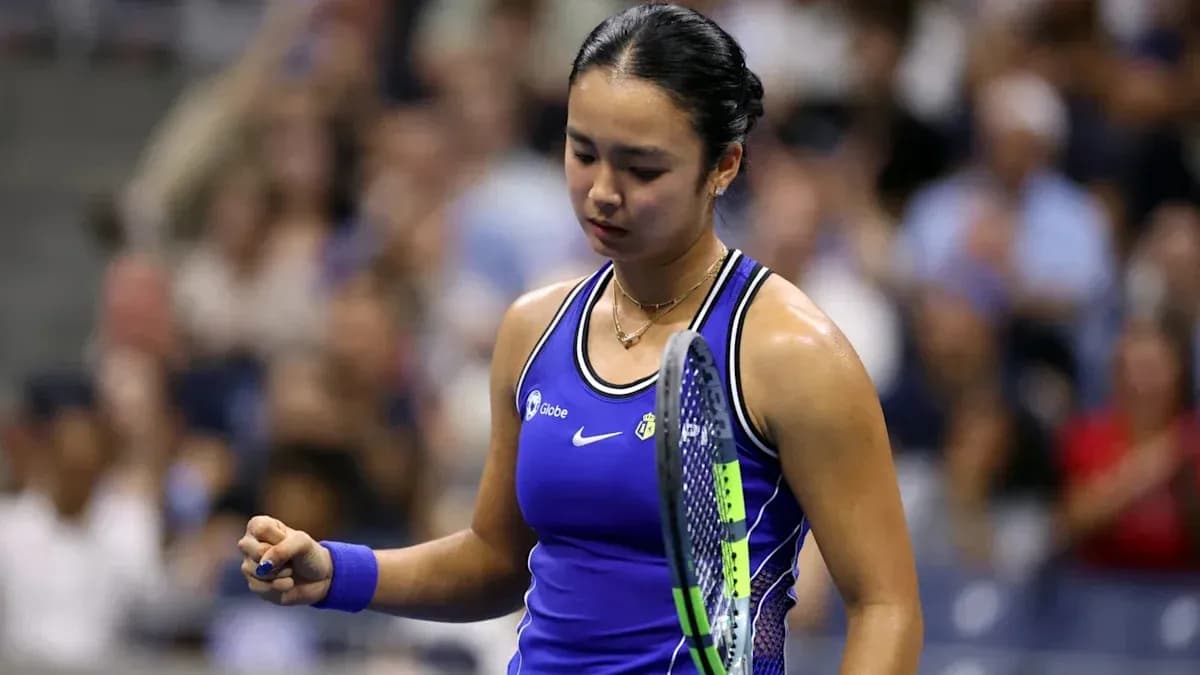
On a brisk night at Flushing Meadows, the world No.2 dismantled Naomi Osaka 6-1, 6-4 in just 66 minutes, a clinical performance that pushed her to the brink of overtaking Aryna Sabalenka and claiming the No.1 ranking. No coy answers, no deflection. Rybakina knows exactly what’s at stake.
“Of course I want it,” she said afterwards. “I don’t know anyone that wouldn’t wish this. That is definitely one of my goals. If I start well as I did today, I think I have all the chances to (become world No.1). I’ll try my best and hopefully, it will go my way.”
On this evidence, it just might.
Rybakina rolls, Osaka runs out of answers
Osaka’s 2026 US Open campaign is over, and the scoreline tells the story. Rybakina came out serving with venom, taking the first set 6-1 and never really loosening her grip.
Osaka, a four-time major champion and former world No.1 herself, simply couldn’t find a way to disrupt Rybakina’s rhythm. The Japanese star struggled to make any sustained impression on the Kazakh’s serve, and rallies that once would have tilted her way were repeatedly shut down by first-strike power from the other side of the net.
There was a flicker of resistance. Osaka raised her level and showed enough fight to suggest the match might stretch into a deciding set. The crowd sensed it, leaning in as the second set tightened.
Rybakina’s serve ended that hope. Time and again, when Osaka threatened to claw her way back, the second seed dropped a heavy first serve or a precise placement to slam the door. What should have been a tense push to a third set became a controlled closeout.
That single performance was enough for Australian great Jelena Dokic to publicly back Rybakina as the favourite for the US title. On current form, it’s hard to argue.
Next up for Rybakina: Qinwen Zheng in the quarter-finals. And that’s where the story of this US Open tilts sharply.
Zheng stuns Świątek with a comeback for the ages
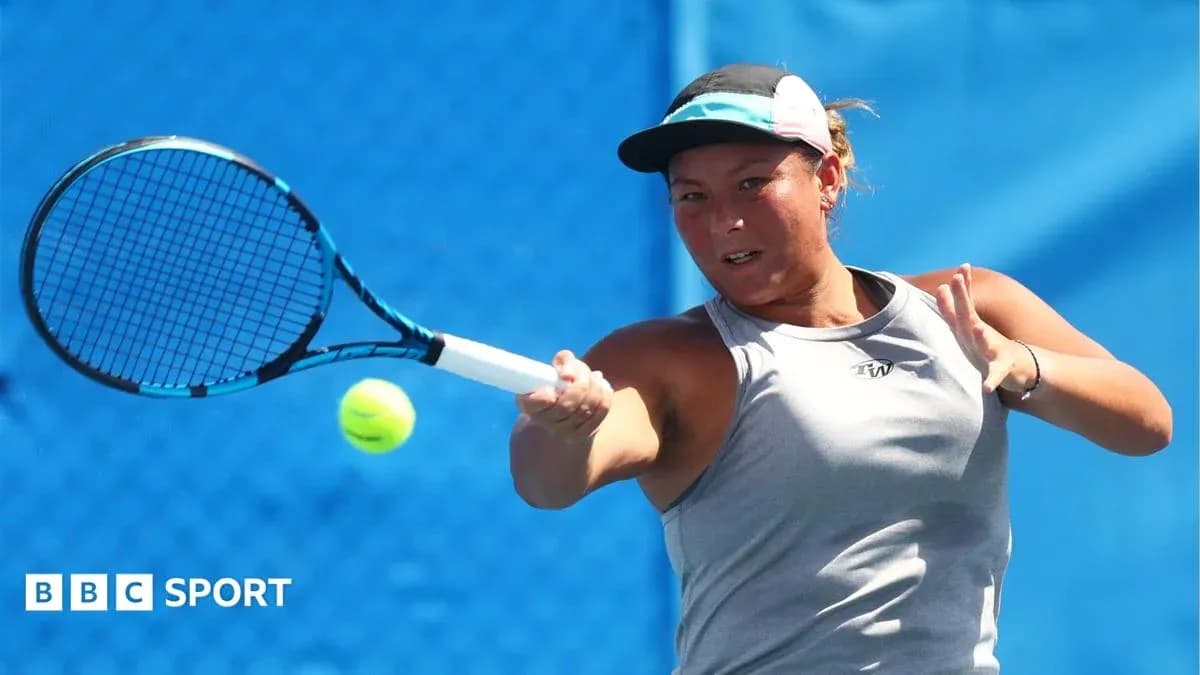
Earlier in the day, six-time Grand Slam champion Iga Świątek walked off Arthur Ashe Stadium with a straight-sets defeat against Qinwen Zheng and a look of disbelief that matched the mood in the stands.
Świątek led 5-0 in the opening set. She was cruising, controlling the baseline, and silencing any early nerves. Then the match turned.
Zheng, who beat Świątek to win Olympic gold in 2024, began to claw back game by game. The crowd shifted from polite applause to genuine awe as the scoreboard flipped. From 0-5 down, Zheng surged to take the set 7-5, ripping winners, tightening her serve, and refusing to back off the lines.
“I guess to come back from 0-5 is not lucky, that’s all I can say,” the 23-year-old said. “I didn’t start the match so well, but little by little I found my rhythm on this centre court because it’s been a long, long time since I’ve played here.
“I haven’t beaten a top-10 player in a while. The more matches I play, the more rhythm I get. I just feel really pumped and ready for my next match.”
Świątek never quite recovered from the shock. Zheng rode the wave into the second set, dictating play and closing out a 7-5, 6-3 win that sent one of the tournament favourites home and blew the draw wide open.
Now she stands between Rybakina and that coveted ranking breakthrough. One surging force, one relentless server, both playing with clear, open ambition. Their quarter-final suddenly looks like the match that could define this US Open.
A different kind of battle off the court
While the tennis has crackled, the atmosphere in New York has drawn as much scrutiny as the shot-making.
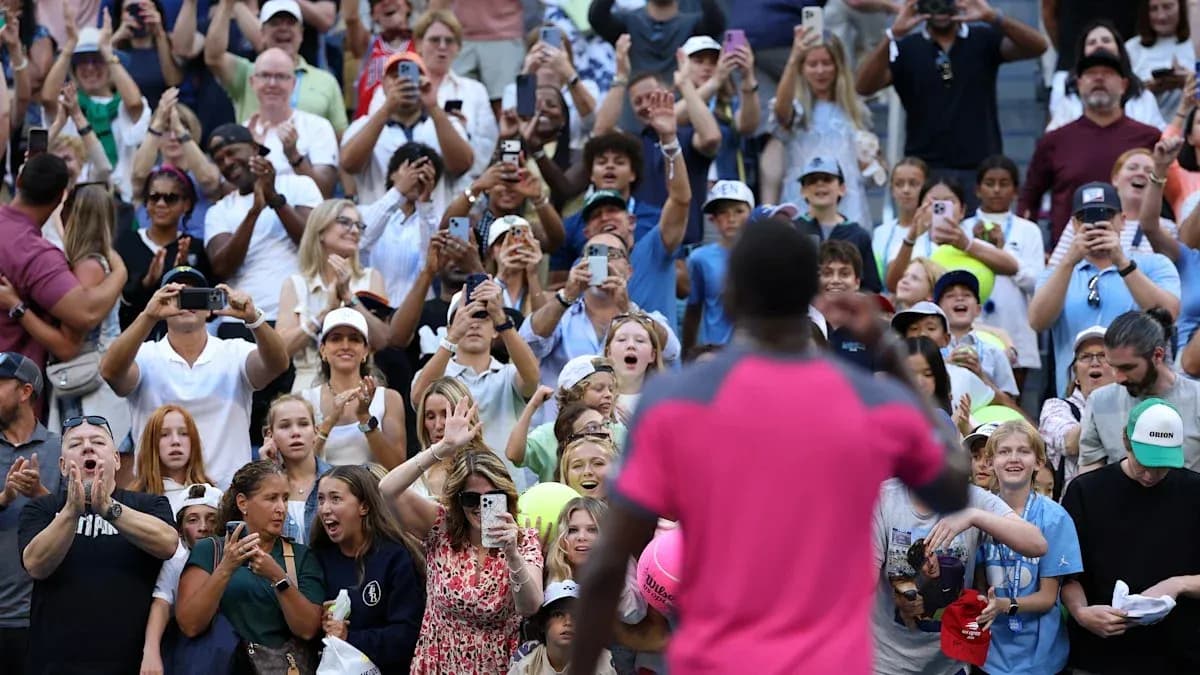
French veteran Adrian Mannarino summed up the mood bluntly, saying the US Open had turned “into a bit of a zoo.” He pointed to spectators moving during points, the smell of marijuana drifting through the grounds, and the growing influence of content creators and influencers in the stands.
“People are allowed to move around in the crowd during points,” he said after a doubles defeat. “The tournament puts up with it ... I don’t know if it’s the best thing for tennis in general.”
Players have begun to push back. Bright ring lights, phones held aloft mid-point, and constant filming have disrupted several matches. Coco Gauff and Naomi Osaka are among those who have spoken about the behaviour, stressing they welcome new fans but expect everyone to respect the sport’s etiquette.
Tournament organisers have responded by using the big screens inside the venue to urge spectators to tone down the content capture and cut the lights. It’s an attempt to keep peace between the modern social-media circus and a sport built on silence, focus, and respect.
Across the Atlantic, Wimbledon has already drawn its line in the grass.
The All England Club has confirmed it will not allow an influx of influencers next year and will ban ring lights from entering the grounds. Content creators are not expected to receive accreditation, a pre-emptive move designed to avoid the kind of flash-lit disruption seen in New York.
Wimbledon wants no part of the “zoo” label.
Quarter-finals looming, stakes rising
While Learner Tien and Karen Khachanov scrap for a place in the men’s quarter-finals — the winner set to meet Alexander Blockx — the women’s draw has taken on a sharper edge.
Rybakina is a match away from No.1. Zheng has just engineered one of the great comebacks of the tournament and carries the belief of an Olympic champion. Osaka is out, Świątek is gone, and the hierarchy is under direct attack.
The next few days in New York will decide more than a trophy. They may redraw the map at the top of the women’s game — and show whether tennis can keep its soul while the spotlight gets ever brighter.