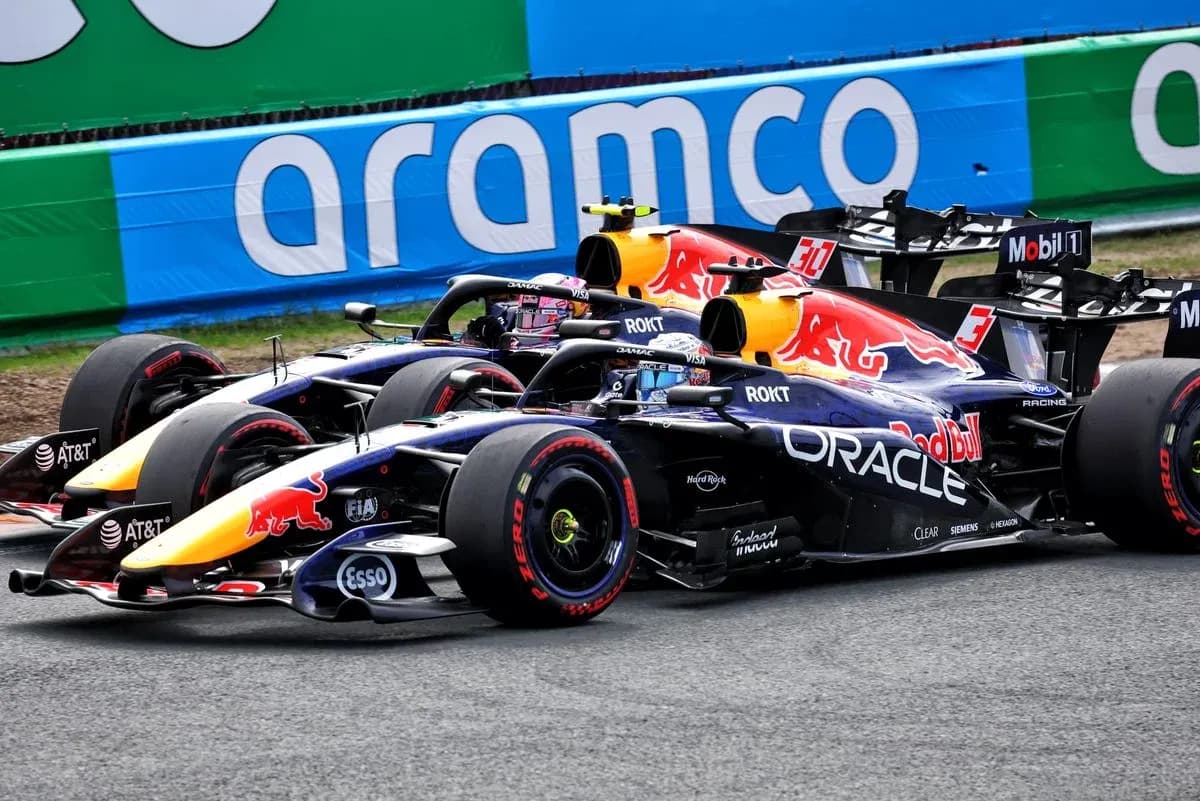
The floodlights will still blaze. The engines will still scream. But when Formula One’s Bahrain Grand Prix goes ahead this October, the desert backdrop will be thousands of miles away in Malaysia.
That single decision captures the new reality for the Gulf’s marquee events industry: the show must go on, just not here.
A Glittering Calendar, Scattered
The reshuffling has been brutal. Saudi Arabia, which has poured billions into videogames and global entertainment, has shifted the E-Sports World Cup from Riyadh to Paris. April’s Formula One race in the kingdom never made it to the grid; it was canceled outright.
In the United Arab Emirates, a music festival fronted by Shakira has already been pulled. The Abu Dhabi Grand Prix remains penciled in for December, but even that jewel comes with an asterisk. Formula One has made it clear the race is subject to events on the ground.
The Gulf’s grand strategy of using sport and spectacle to rebrand its economies now runs into the hard edge of war risk. Air travelers are staying away. Luxury hotels, once sold out months in advance, are slashing staff and watching their lobbies empty.
Planes in the Sky, Rooms Sitting Empty
Aviation, real estate, tourism, shipping, hotels – the pillars of the region’s diversification push – have all taken heavy hits.
European and North American carriers have voted with their flight plans. Air Canada, KLM, Lufthansa and others have extended suspensions of services to Dubai, in some cases into next year. The message from the West’s big airlines is blunt: the risk is not worth it.
Gulf-based carriers see it differently. They keep flying, even through Iranian airspace. Their risk appetite is higher, and their schedules reflect it. Dozens of planes have landed at or departed Dubai International Airport within minutes of missile or drone warnings, according to previous reporting.
The numbers tell the story. Dubai International, usually one of the world’s busiest hubs, saw passenger traffic fall 31% year-over-year in the first half of 2026. Cargo volumes dropped 29% over the same stretch.
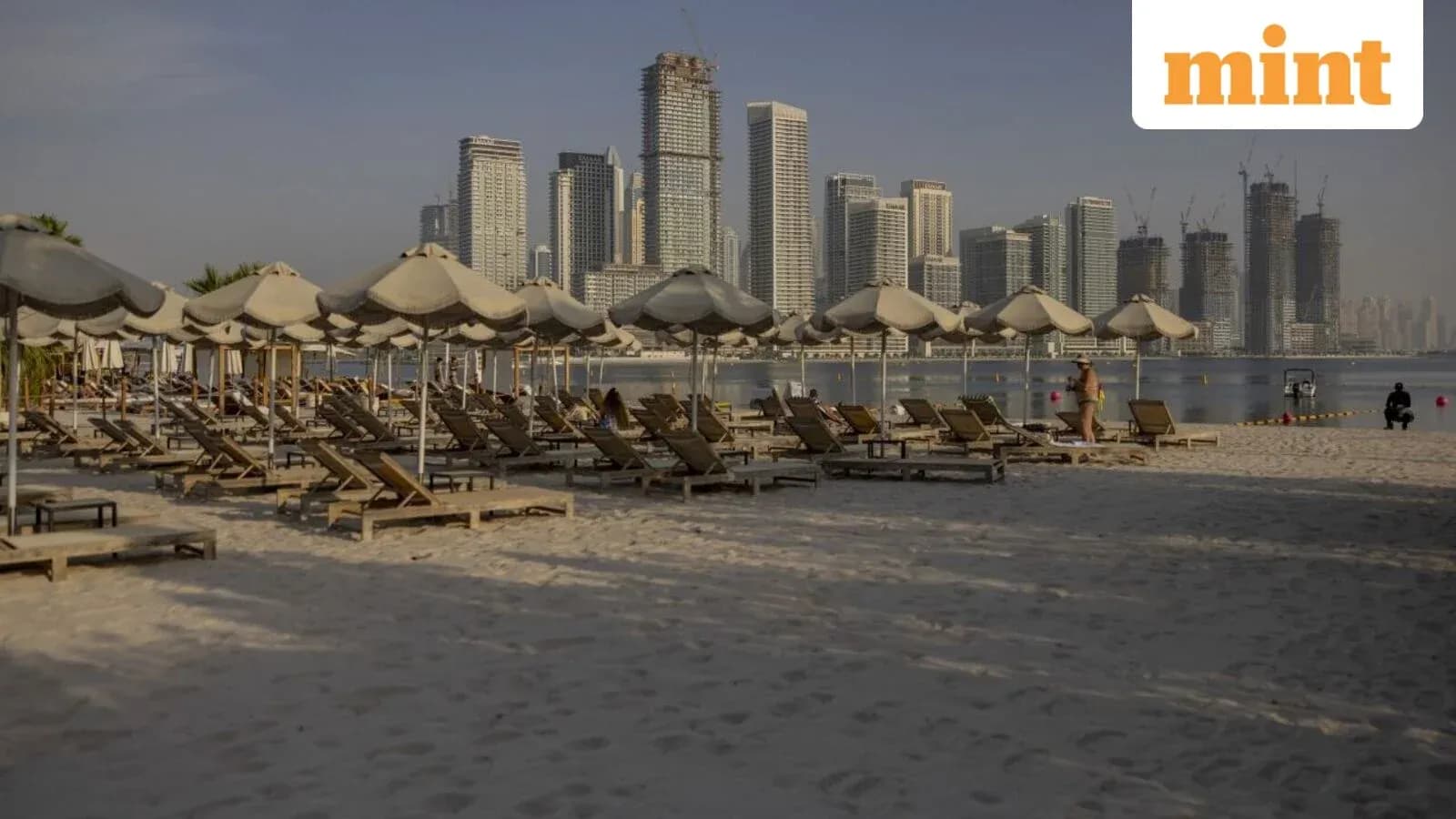
On the ground, the impact is just as stark. Hotel occupancy, which hovered around 80% in 2025, sank to 56% in the first half of this year, Cavendish Maxwell data shows. The steepest falls came at the top end of the market – the luxury towers that once symbolized Dubai’s unstoppable rise.
Vision 2030 Meets a Hard Reset
The timing could hardly be worse for Saudi Arabia’s flagship economic project. Crown Prince Mohammed bin Salman’s Vision 2030 hinges on making tourism and entertainment a credible counterweight to oil.
War risk undermines that bet.
“Vision 2030 was already a bit on the rocks, and they were already changing their priorities,” said Neil Quilliam, an associate fellow at Chatham House. He sees a tilt away from the “softer sides” of the plan and toward industrialization – factories and hard infrastructure rather than festivals and mega-events.
The Gulf’s leaders had gone into the summer expecting the violent phase of the conflict to ebb, replaced by long, grinding talks over Iran’s nuclear program. That, they hoped, would let business return to something close to normal.
Those hopes have evaporated. Officials now brace for an extended period of low-level conflict, with no clear U.S. path to a lasting settlement. For 2026, they privately write off the rest of the year.
A Boomtown Hits the Brakes
Dubai’s real-estate market, the region’s most fevered in the post-Covid rush, has been jolted.
The city’s real-estate index, which tracks listed developers, has shed about a third of its value compared with prewar levels. Residential sales dropped 31% in the spring. At the top of the market – properties above $4 million – the damage is even sharper: a 59% fall in sales, according to brokerage Betterhomes.
“This year went into the trash,” said Dubai-based property consultant Walid Abou Sabha.
His own story mirrors the city’s whiplash. Originally from Lebanon, he moved to Dubai in 2023 to ride the wave. Monthly earnings jumped from around $2,000 in other Middle Eastern markets to $65,000 in Dubai, fueled by a lifestyle of fast cars, parties and high-end watches.
Then came the first day of the war and Iranian fire on Dubai. Abou Sabha’s sales slid from seven deals a month to zero in early spring. He still backs the city’s resilience over the long term.
“You cannot gamble against Dubai. Any time people did, they ended up losing,” he said.
For now, though, the boom is on pause.
Prices Hold, For Now
Curiously, prices have not yet collapsed in line with demand.
Average residential sales prices in Dubai rose 3% in the second quarter of 2026 compared with a year earlier, Betterhomes reports. Hotels, despite high vacancies, cut rates by only 7% in the first half of the year versus 2025. Airfares remain elevated, helped by reduced competition and higher jet-fuel costs.
That resilience may not last.
“There is a time effect to be realized here,” said Alistair Paine, chief executive of consulting firm Peninsula, which helps foreign companies set up in Saudi Arabia and the U.A.E. He expects prices to bow to the pressure of weaker business activity, but likely only toward the end of the year.
The strain is already visible on major projects. Wynn Resorts, building the U.A.E.’s first legal casino resort at a cost of more than $5 billion, has delayed its opening by months and taken on hundreds of millions of dollars in extra costs.
“Look, I’m not going to tell you there’s no risk, but when we underwrote the project…we didn’t underwrite a region with zero geopolitical risk,” Wynn Chief Executive Craig Billings told investors in August. “We underwrote a country with a demonstrated ability to manage through it.”
A Region Under Pressure, and a World Watching
The war’s reach extends beyond tourists and property buyers. Shipping snarls have slowed deliveries of everything from heavy machinery to kegs of imported beer. Contractors such as Al Ryum Group in the U.A.E. face shipment backlogs and rerouted containers that push up the cost of imported goods.
“When this thing ends, it is still going to take six months for things to start to feel normal again,” said Al Ryum’s chief executive, Rafael Khanoyan.
That lag matters. Many firms came to the Gulf to tap its wealth and favorable tax regimes. Now they confront a tougher choice: stay and ride out the instability, or leave and risk bureaucratic retaliation if they ever try to return.
“They are incentivizing companies to capitalize on what is going on in the Gulf,” Quilliam said of rival hubs.
Asia Moves Into the Gap
Other countries see opportunity in the Gulf’s discomfort.
Singapore in August unveiled a tax exemption on certain investment profits for fund managers. Turkey, in June, announced a 20-year tax exemption on some foreign-sourced income for new residents, along with a reduced inheritance tax.
Both already offer a clearer path to citizenship than Gulf states, which tightly restrict naturalization. For executives and investors weighing their options, that matters.
Companies that rushed into Riyadh and Dubai to chase capital now face a “balancing act,” as Quilliam put it, between present risk and future access.
Firefighting in Dubai and Abu Dhabi
The U.A.E. is not standing still.
Senior Emirati officials, usually reserved in public, have stepped forward to meet investors and entrepreneurs, trying to calm nerves. Dubai has rolled out stimulus packages worth about $680 million, including fee deferrals and exemptions, support measures for hotels and smoother residency processes.
The city is also turning to old-fashioned incentives. Authorities are distributing tourist vouchers worth hundreds of dollars, bundling free tickets to water and theme parks with steep discounts on hotels at Palm Jumeirah and three months of premium food-delivery subscriptions.
The events calendar, on paper at least, remains busy. An international golf tournament hosted by the U.A.E. is scheduled for November. Composer Hans Zimmer, bands Imagine Dragons and the Chainsmokers, along with comedians Russell Peters and Trevor Noah, are all set to perform before year-end.
The message is clear: the party is still on.
Yet even officials driving that campaign know the backdrop can change overnight.
“A state of neither war nor peace cannot be a sustainable solution,” Anwar Gargash, a senior Emirati adviser, said this week.
For the Gulf’s rulers, investors and hoteliers, that is the uncomfortable truth. Until the region moves decisively out of that limbo, every race, every festival, every tower full of empty rooms will feel like a high-stakes gamble.