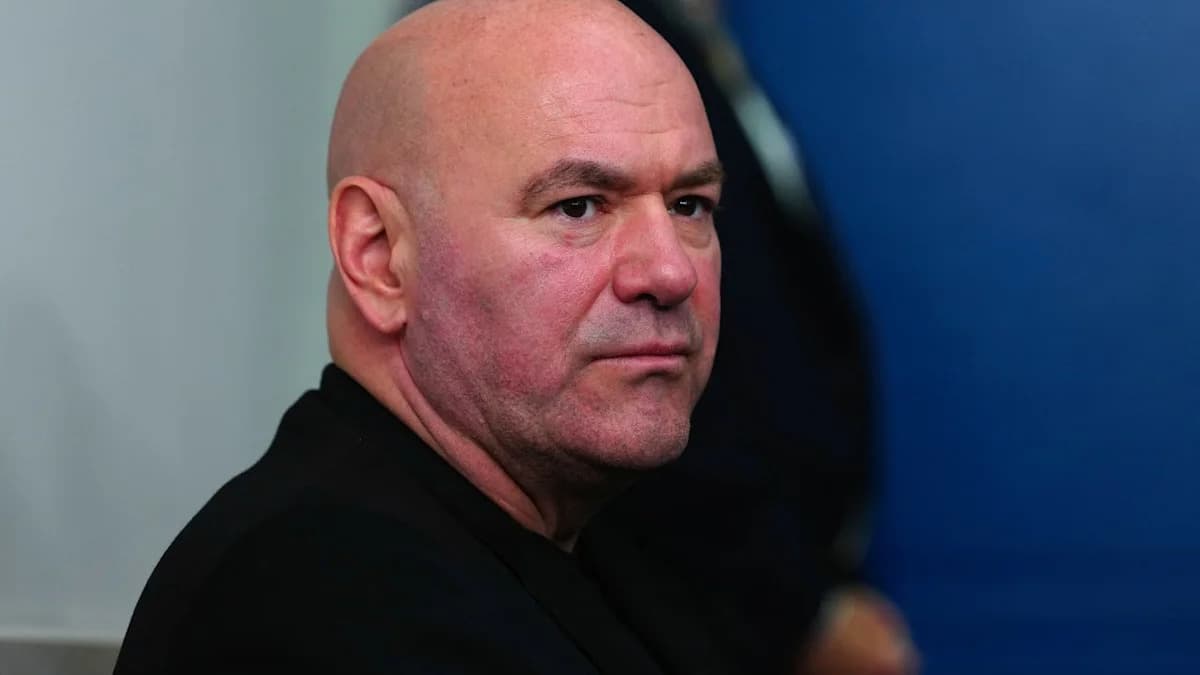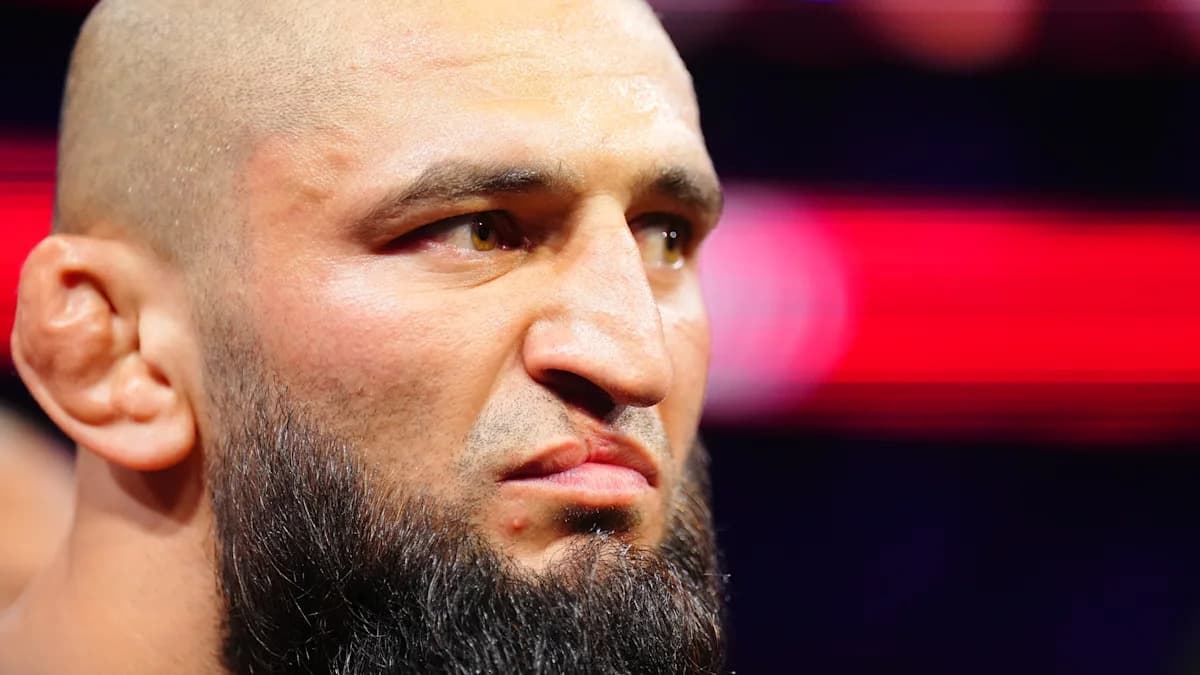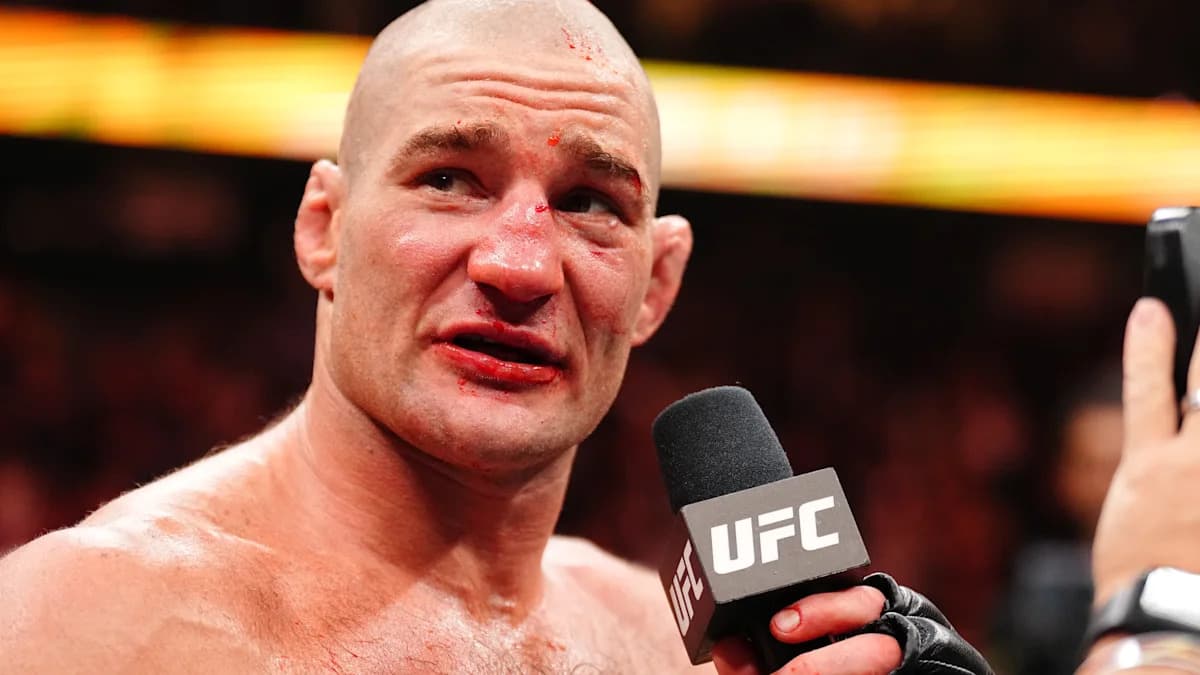
The era of UFC fighters earning big paydays through pay-per-view shares is over. UFC titleholders like middleweight champion Sean Strickland are now confronting the harsh truth about what their belts really mean financially.
Not long ago, the path to riches in MMA was straightforward: climb the ranks, win the UFC title, then defend it multiple times. A champion’s contract included a cut of pay-per-view (PPV) revenue, turning championship status into life-changing money. Popular champs benefited even more as higher PPV buy rates meant bigger payouts. Without a belt, fighters were simply working for show and win fees.
The End of Pay-Per-View Changes Everything
Today, UFC events are available through a Paramount+ subscription, eliminating traditional PPV purchases. UFC’s parent company, TKO, earns roughly $1 billion annually from this model, but fighters no longer share directly in those profits. Still, many athletes chase UFC gold, but the financial value of the title has shifted dramatically.
Sean Strickland claimed the middleweight belt again in May by upsetting Khamzat Chimaev, yet he appears dissatisfied with his pay. So much so, that he’s reportedly open to relinquishing the title if it means leaving his contract early and gaining free agency. What does the belt offer now?
Insights from Managers
After speaking with several managers—most preferring anonymity due to UFC relations—it became clear the dream of PPV wealth was fading before PPV itself disappeared. PPV sales had been declining because of rising ESPN+ costs, easier access to alternative streams, and changing viewer habits.
Still, winning the title brings a pay raise, including higher Promotional Guidelines Compliance bonuses, which cover fighter obligations like fight week appearances and wearing official gear. Currently, champions receive $42,000 per fight for compliance, challengers get $32,000, and non-title fighters top out at $21,000 if they have extensive UFC experience.
Champions also gain better off-cage earning opportunities, such as sponsorship deals, meet-and-greets, and seminars, though these extra incomes rarely transform their finances drastically.
A More Predictable but Limited Income
Being a UFC champion still pays more than not being one, but the gap has shrunk. The upside is fighters now know their earnings upfront without chasing an elusive PPV jackpot. One manager said fighters aren’t fooled by hopes of hitting a million buys and suddenly cashing in; realistically, few ever did.
On the flip side, fixed pay can frustrate champions who realize no amount of hype or performance will increase their UFC earnings. Seeing reports of huge single-fight payouts for stars outside the UFC, like Conor McGregor or Conor Benn, only deepens their sense of being capped.
The Downside of No PPV: Less Leverage for Fighters
Before, UFC executives could say fighters “eat what they kill,” meaning pay scaled with performance and drawing power. Now, with no need to sell individual events, the UFC earns the same regardless of which fighters appear, reducing its incentive to negotiate or accommodate champions like Strickland.
If a champion refuses to fight, the UFC can strip the belt and have other contenders battle for it. This was evident when long-time champ Valentina Shevchenko lost her spot after inactivity.
The New Normal
The days when UFC titles promised limitless financial rewards are gone. Champions face a clear but limited payout structure. Some might find comfort in predictable income, while others feel trapped by a system that no longer rewards star power or exceptional performances beyond a set scale.