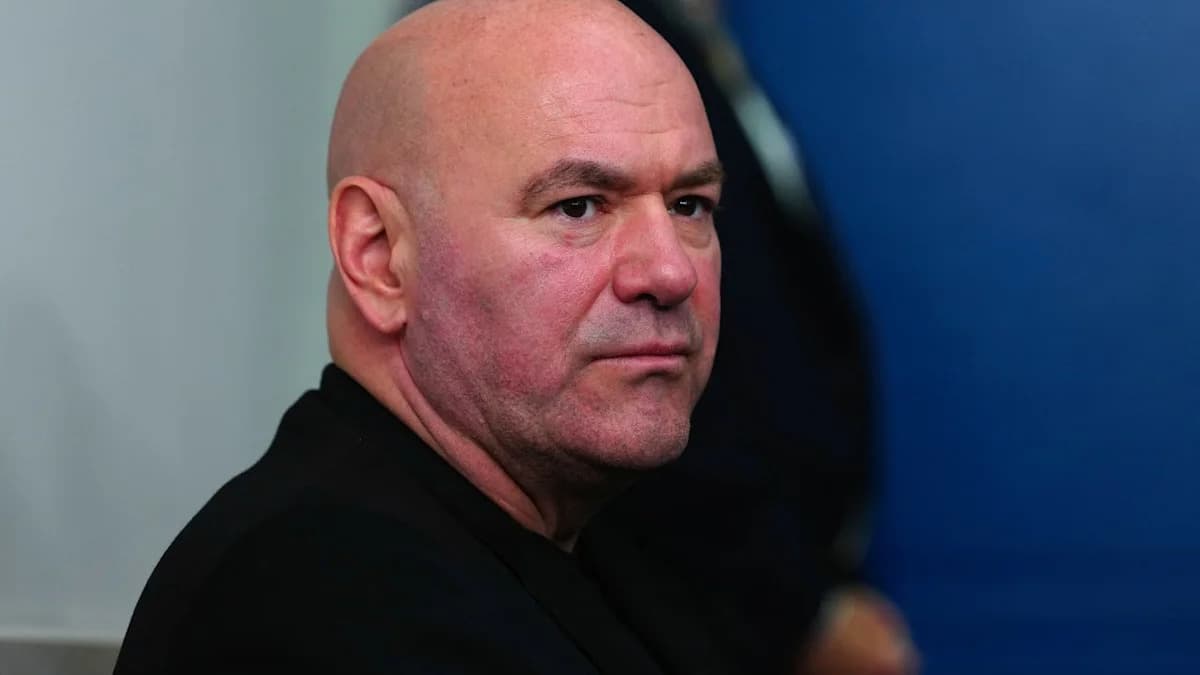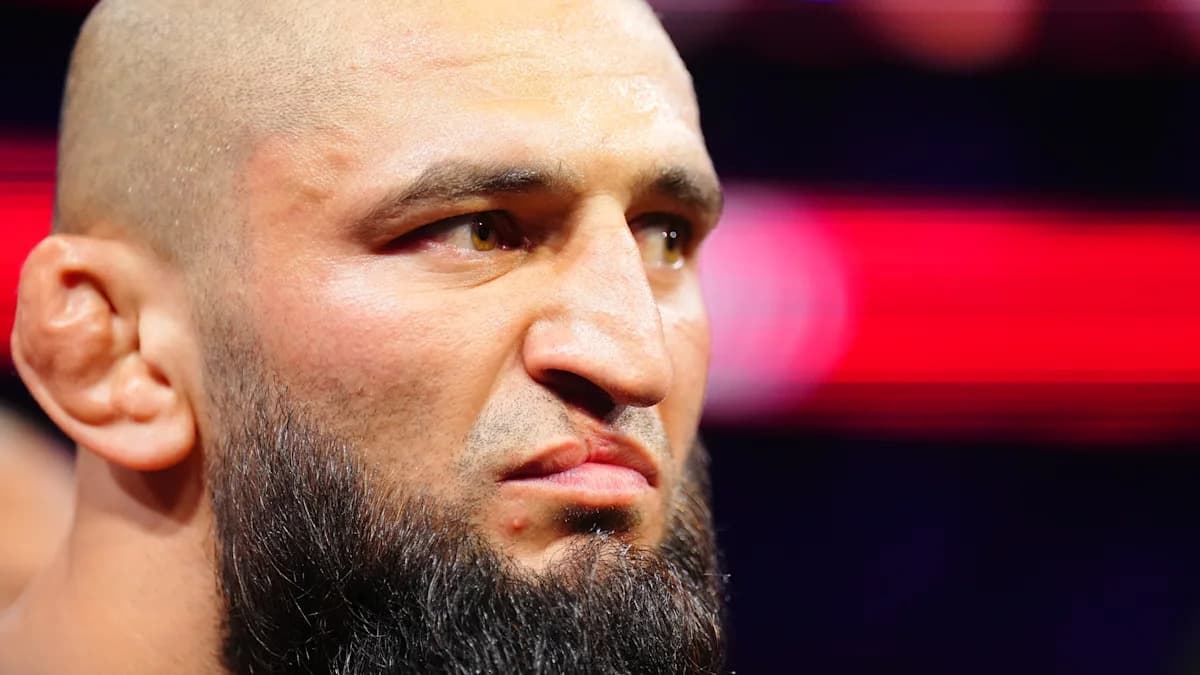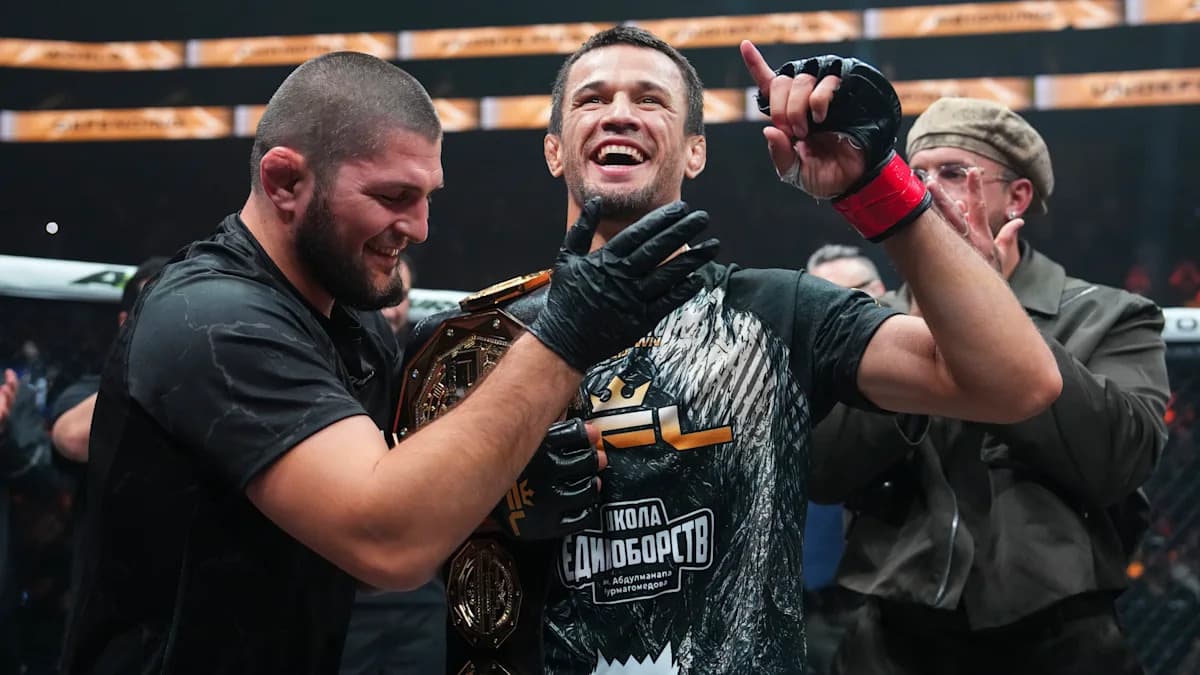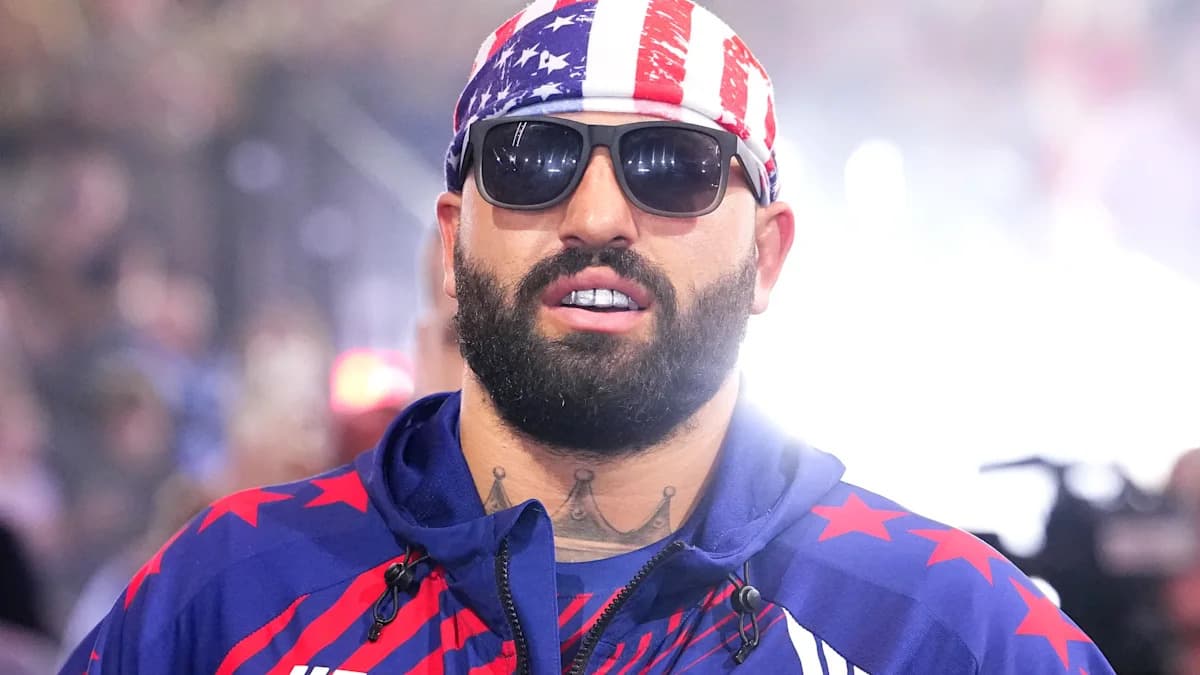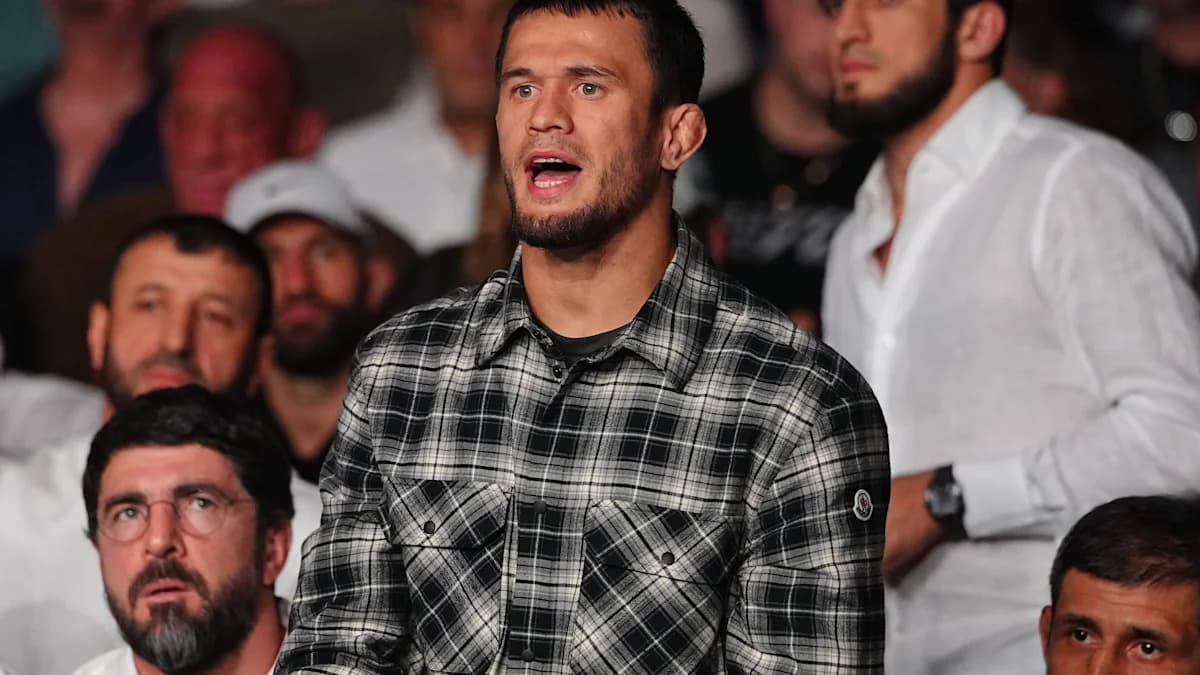
Usman Nurmagomedov was among those arrested following a hotel brawl in Abu Dhabi, sparked by an attack on Merab Dvalishvili. The question is how this event might influence his chances of joining the UFC as a free agent.
Meanwhile, TKO employees are raising concerns about ongoing operations in Saudi Arabia amid volatile conditions. What could this mean for the company's future there? Let’s dive into these topics and more.
Will the UFC Still Sign Usman Nurmagomedov?
@jr499027 asks if the UFC will pursue Usman after the brawl, considering his popularity and family background.
I believe this incident might actually boost the UFC’s interest in signing him. Usman Nurmagomedov has become widely recognized not just for his name or previous record but now also for this high-profile altercation. Nearly every MMA fan will see the footage and form an opinion — something you can’t simply buy with publicity.
Is it a problem that he gained this attention through actions some view as dishonorable or even criminal? Unfortunately, this sport hasn’t always punished such behavior harshly. Remember when Conor McGregor smashed a bus window and the UFC didn’t really penalize him but used the footage to hype his next fight? The organization has even signed fighters with serious off-ring issues. So attacking a fellow fighter outside the cage is unlikely to be a dealbreaker.
Should MMA Promotions Ban Fighters Who Attack Each Other Off the Mat?
@BrianHines wonders if there should be a strict policy expelling any fighter who assaults another outside the octagon.
It’s embarrassing to watch these fights spill over into hotel lobbies or public places. I’ve followed MMA long enough to remember when the biggest challenge was convincing outsiders this wasn’t just a brutal bloodsport. We debated endlessly about protecting the sport’s image.
Now, videos of fighters clashing off the mat are common, and some hotels might hesitate to host them. Some say this is part of the profession’s nature, but we wouldn’t tolerate NFL players tackling each other during breakfast hours. Will the UFC or others create a clear ban? Doubtful. The UFC likes to keep disciplinary options flexible, often depending on a fighter’s draw or value. Money usually trumps consistency.
Still, the arrests in Abu Dhabi remind us that consequences vary worldwide. One day, someone might cross a line in a country with little tolerance for public violence.
On Physical Confrontations and Friend Support
@JedKMeshew jokes about how many friends it would take to overpower him and Chad Dundas.
If Chad showed up like Merab Dvalishvili’s friend did and your crew isn’t much bigger than you, Jed, better bring everyone you know.
Will TKO Employee Complaints Affect Company Plans?
@LCombatsports asks if employee voices will influence TKO’s approach in Saudi Arabia.
At the very least, sharing stories helps employees realize they’re not alone. Many resent being sent to work amid missile and drone attacks in an active conflict zone.
Sports and entertainment events aren’t essential services. No one expects to risk their life doing this work, yet TKO seems to ask just that. It’s hard to believe executives prioritize worker safety when sending staff into dangerous environments at unstable times.
Questions About Pay-Per-View Revenue for Fighters
@Jietzsche wonders why Australians with Paramount Plus still pay for pay-per-view events and if fighters get shares from international sales.
Commercial pay-per-view, especially for venues like sports bars, remains a significant revenue stream. This money probably doesn’t meet thresholds required for fighters to earn cuts, similar to how Eddie Alvarez only earned PPV money after surpassing 200,000 buys. Still, if I were a champion, I'd want my management to check on these earnings carefully.
The Current Landscape of Combat Sports
@AverageGrappler suggests we might be in a new golden era, with multiple organizations running events globally.
The variety of promotions like UFC, PFL, KSW, ONE, and upcoming ones like the Lethwei World Championship shows plenty happening. Streaming platforms fractured audiences but also made fight content more accessible worldwide. There’s almost always a fight somewhere, with video available for fans.
Why Is the Apex Cage Smaller Than Arena Cages?
@omsdeadandalive asks why the Apex cage remains smaller than the larger arena setups.
The simple reason is space. The UFC traditionally uses a smaller Octagon in more compact venues. Years ago, the difference was a 30-foot cage versus a 25-foot cage — which translates to roughly a 44% smaller fighting area. That impacts strategy greatly, whether fighters prefer distance striking or grappling near the fence.
Back then, fighters often didn’t know in advance which cage they’d compete in, adding uncertainty. Now, if the bout is at the Apex, it’s understood the smaller cage is in play.