The world crown in women’s team tennis is back on the line, and this time the spotlight falls on Shenzhen.
From a record 148 nations, only eight remain in the hunt for the 2026 Billie Jean King Cup Finals: Italy, Great Britain, Ukraine, Spain, Czechia, Kazakhstan, Belgium and China. One week, one arena, one title — the sport’s world championship for national teams.
Italy chase a rare three‑peat
Italy arrive as the team everyone wants to beat. Two-time defending champions, Olympic gold in their pocket, and a shot at history.
Jasmine Paolini and Sara Errani, who climbed the podium together in Paris with Olympic gold in women’s doubles at the 2024 Games, now lead a squad trying to do what no one has managed since Czechia’s golden run from 2014 to 2016: win three straight Billie Jean King Cup titles.
The path, though, is brutal.
Italy open against China in Thursday’s quarterfinal, a tie loaded with narrative and pressure. The hosts are led by Olympic women’s singles champion Zheng Qinwen, who surged all the way to the U.S. Open quarterfinals this year as a qualifier. She will carry a nation’s expectations into the Shenzhen Bay Sports Centre Arena, where every Italian error will be greeted with a roar.
Home hopes and a missing No. 1
China’s belief will only grow with every point Zheng wins. Playing at home, with Shuai Zhang, Xiyu Wang, Hanyu Guo and Xinyu Jiang backing her up, the hosts have both depth and momentum. For Italy, captain Tathiana Garbin leans on Paolini, Errani, Elisabetta Cocciaretto, Lucia Bronzetti and rising talent Tyra Grant to silence the crowd early.
Not every star, though, made it to Shenzhen.
Elena Rybakina was supposed to walk into this event as the new World No. 1, ready to launch her reign by leading Kazakhstan on the biggest team stage. Instead, the U.S. Open champion withdrew, still dealing with the Achilles tendon injury that troubled her during that title run. It’s a huge blow for Kazakhstan and a major twist to the tournament’s balance of power.
She’s not the only heavyweight missing. Team USA, a perennial force, never reached the finals at all after crashing out in April’s qualifiers. The Americans are out, Rybakina is sidelined — but the draw is anything but hollow.
The field remains stacked with WTA top-10 talent and Grand Slam champions. Czechia bring World No. 6 Linda Noskova and No. 8 Karolina Muchova, both capable of dictating entire ties on their own. Ukraine counter with World No. 7 Elina Svitolina, the heartbeat of a team that has turned every appearance on this stage into something bigger than sport.
The road through Shenzhen
Every match this week will be played at the Shenzhen Bay Sports Centre Arena, a single venue turning into the epicentre of the women’s game from Sept. 22–27.
Quarterfinals
- Tuesday, Sept. 22: Great Britain vs Czechia | 5 a.m. ET
- Wednesday, Sept. 23: Spain vs Kazakhstan | 5 a.m. ET
- Wednesday, Sept. 23: Ukraine vs Belgium | 10 p.m. ET
- Thursday, Sept. 24: China vs Italy | 5 a.m. ET
Semifinals
- Friday, Sept. 25: Winner of Match A vs Winner of Match D | 5 a.m. ET
- Saturday, Sept. 26: Winner of Match B vs Winner of Match C | 5 a.m. ET
Championship
- Sunday, Sept. 27: Winners of the semifinals | 5 a.m. ET
It’s a straight knockout. No second chances, no safety nets.
Fans can follow every ball via streaming on billiejeankingcup.com and through the World Cup of Tennis app, with early-morning start times for viewers in North America.
High stakes, short format
The format is unforgiving. Each tie begins with two singles rubbers. If one nation sweeps them, the job is done. If they split, the entire contest rides on a decisive doubles match.
First to two wins advances. Simple on paper, brutal in practice.
Every match is best-of-three sets, just like the Grand Slams, but the team dynamic changes everything. Captains live every point, players sit on the bench as vocal cheerleaders between their own matches, and doubles specialists often become unexpected heroes.
The same structure holds from quarterfinals through to Sunday’s final. Three rubbers available, two needed. One bad day from a star, and a favorite can be gone in a couple of hours.
Who’s carrying the flag?
The rosters underline the depth and variety of this field.
Belgium
- Captain: Wim Fissette
- Hanne Vandewinkel
- Greet Minnen
- Jana Otzipka
- Magali Kempen
- Lara Salden
- Jeline Vandromme withdrew
China
- Captain: Jie Zheng
- Qinwen Zheng
- Shuai Zhang
- Xiyu Wang
- Hanyu Guo
- Xinyu Jiang
Czechia
- Captain: Barbora Strycova
- Karolina Muchova
- Linda Noskova
- Marie Bouzkova
- Katerina Siniakova
- Sara Bejlek
Great Britain
- Captain: Anne Keothavong
- Katie Boulter
- Harriet Dart
- Sonay Kartal
- Mika Stojsavljevic
- Jodie Burrage
Italy
- Captain: Tathiana Garbin
- Jasmine Paolini
- Elisabetta Cocciaretto
- Lucia Bronzetti
- Sara Errani
- Tyra Grant
Kazakhstan
- Captain: Yuriy Schukin
- Yulia Putintseva
- Anna Danilina
- Zhibek Kulambayeva
- Sonja Zhiyenbayeva
- Elena Rybakina withdrew due to injury
Spain
- Captain: Carla Suarez Navarro
- Cristina Bucsa
- Jessica Bouzas Maneiro
- Kaitlin Quevedo
- Marina Bassols Ribera
- Sara Sorribes Tormo
Ukraine
- Captain: Illya Marchenko
- Elina Svitolina
- Anhelina Kalinina
- Katarina Zavatska
- Lyudmyla Kichenok
- Marta Kostyuk withdrew due to a wrist injury
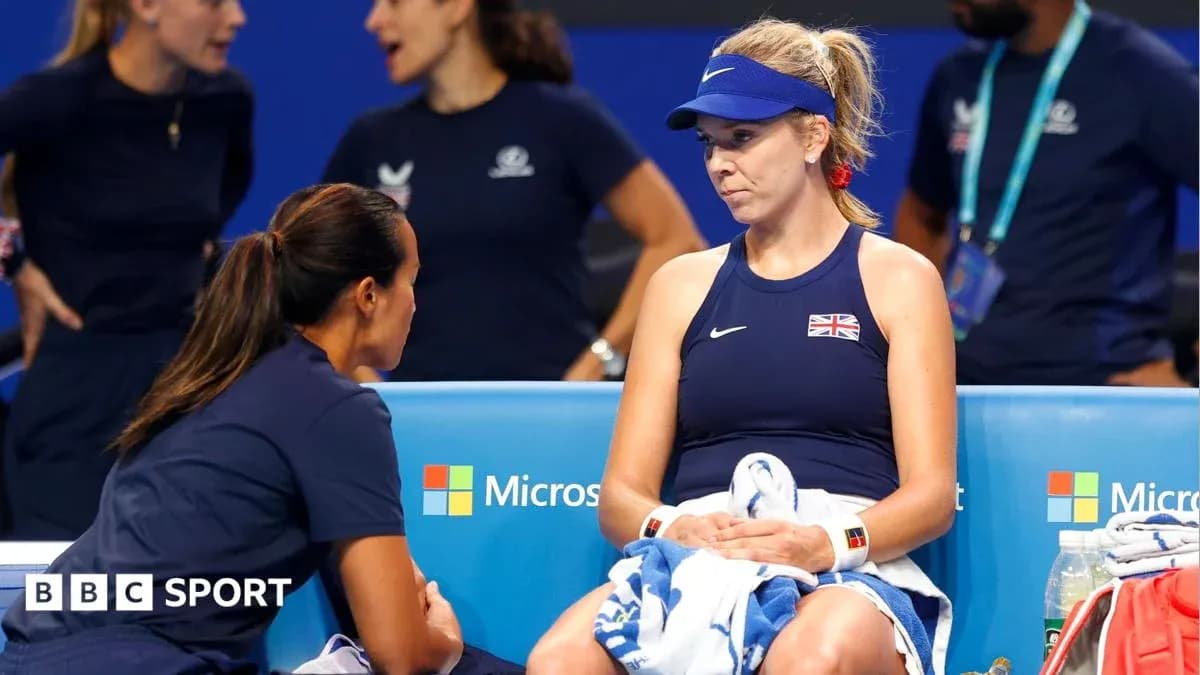
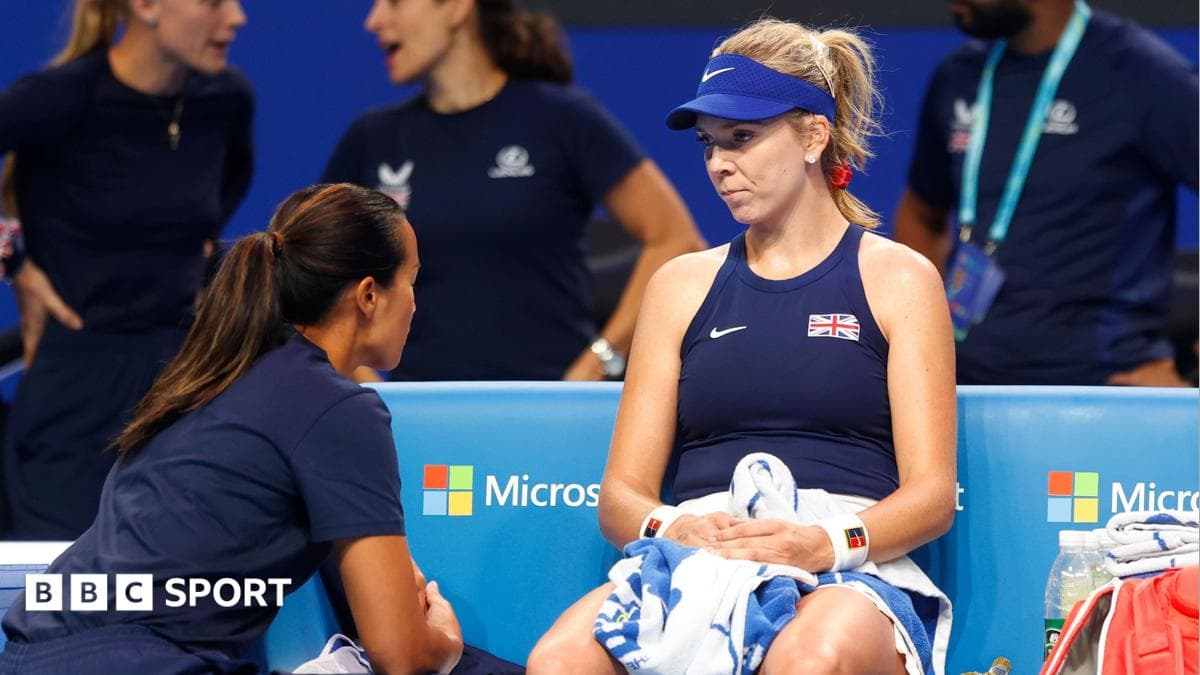
Great Britain lean on Katie Boulter’s growing presence at the top level. Czechia arrive with a blend of established class and fearless youth. Spain’s squad, under Carla Suarez Navarro, looks built to grind opponents down over long rallies and long days. Ukraine, with Svitolina at the front and Lyudmyla Kichenok ready for doubles deciders, carry a sense of purpose that often lifts them in tight moments.
Kazakhstan must now reimagine their identity without Rybakina, likely turning to Yulia Putintseva’s fire and Anna Danilina’s doubles expertise to keep them alive deep into the week.
A title, a dynasty, and a chance to shock the world
So the stage is set.
Italy’s pursuit of a modern dynasty, China’s charge at home with an Olympic champion at the helm, the quiet menace of Czechia’s depth, Ukraine’s emotional surge, Spain’s grit, Great Britain’s ambition, Kazakhstan’s defiance without their biggest star, Belgium’s chance to spoil everything.
One nation will leave Shenzhen with the Billie Jean King Cup in its grasp.
The only question now: who handles the weight of the world best when the first ball is tossed into the air?