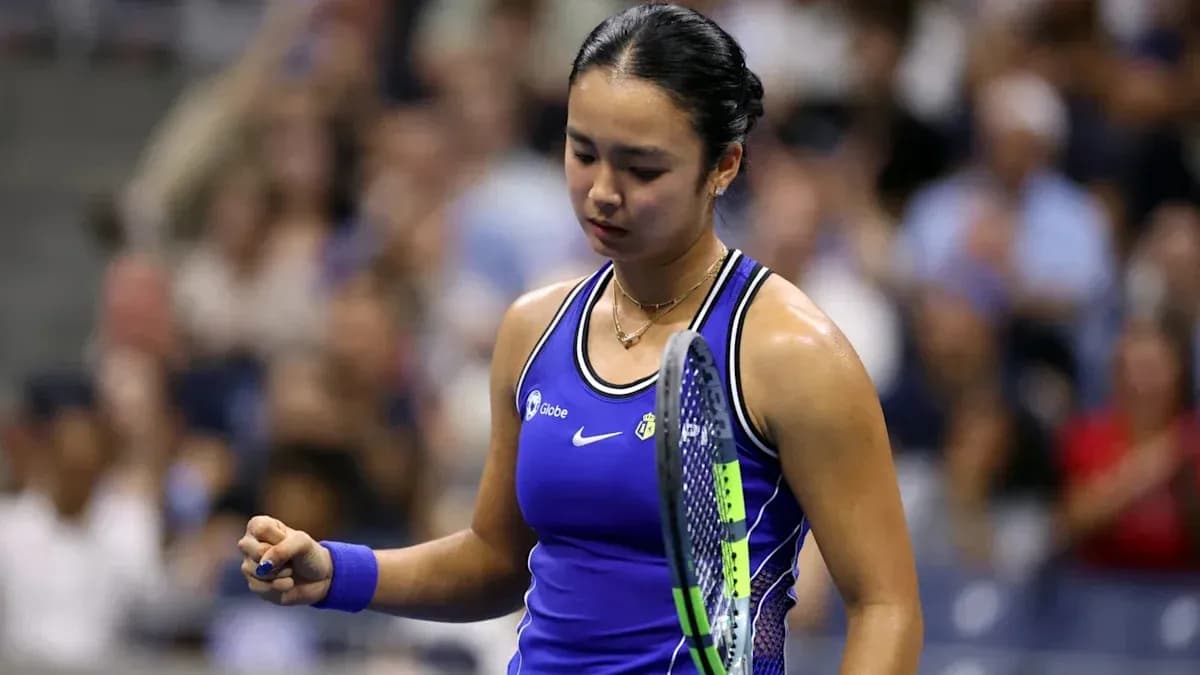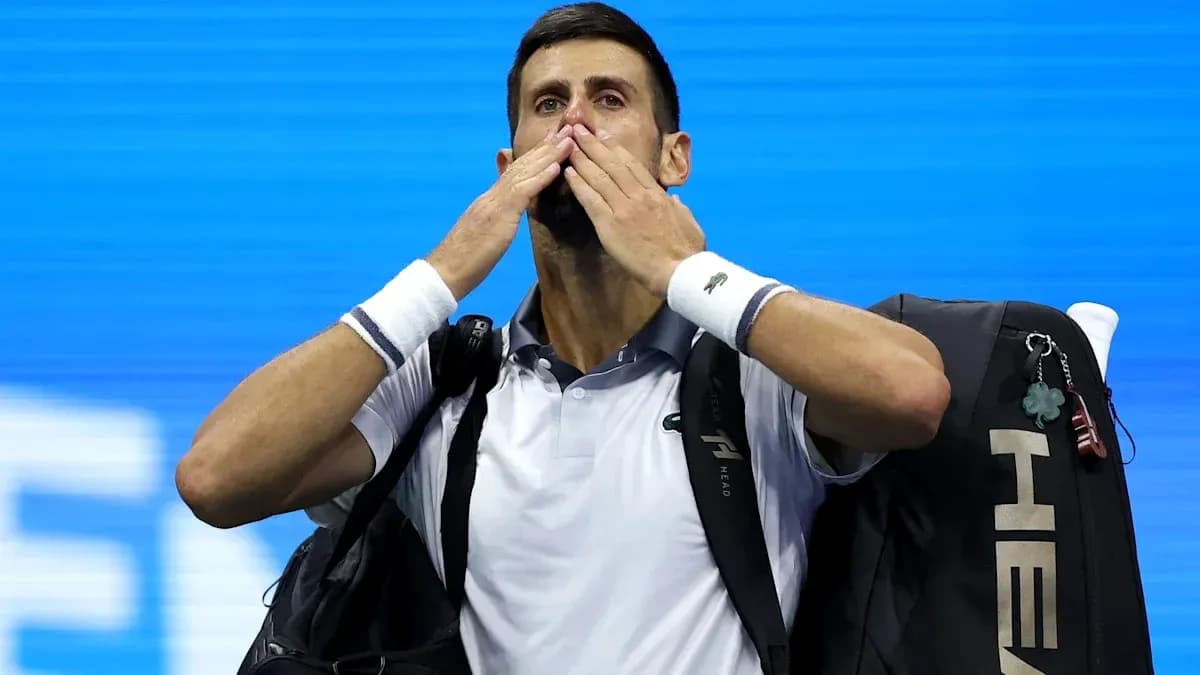
On court, the 2026 U.S. Open has delivered everything a Grand Slam should. Novak Djokovic crashed out in the first round, detonating the draw and setting the tone for a wild fortnight. The women’s event has been driven by its biggest names, who have largely risen to the occasion. The men’s side, stripped of an early favorite, has opened the door to a string of underdog runs that have kept the night sessions alive.
The tennis has been compelling. The atmosphere, though, has become the story — and not in a way the tournament will enjoy.
Influencers in the Firing Line
The flashpoint arrived off the court. Tournament organizers invited a wave of social media influencers to Arthur Ashe Stadium and the surrounding grounds, hoping to juice the event’s online presence and tap into new audiences. The move has backfired in the court of public opinion.
Clips have circulated of influencers treating matches as little more than a backdrop — filming content mid-point, talking loudly, and ignoring the basic unwritten rules that govern tennis crowds. The reaction from traditional fans has been swift and fierce, with many questioning whether the U.S. Open has sacrificed decorum for clicks.
The debate has turned ugly at times, but one thing is clear: the presence of influencers has become a lightning rod. For many, they symbolize a tournament that has lost its grip on what a live tennis experience should feel like.
Ashe Turns Into a Free-for-All
Yet to blame this entirely on influencers would be letting the rest of the crowd off too easily.
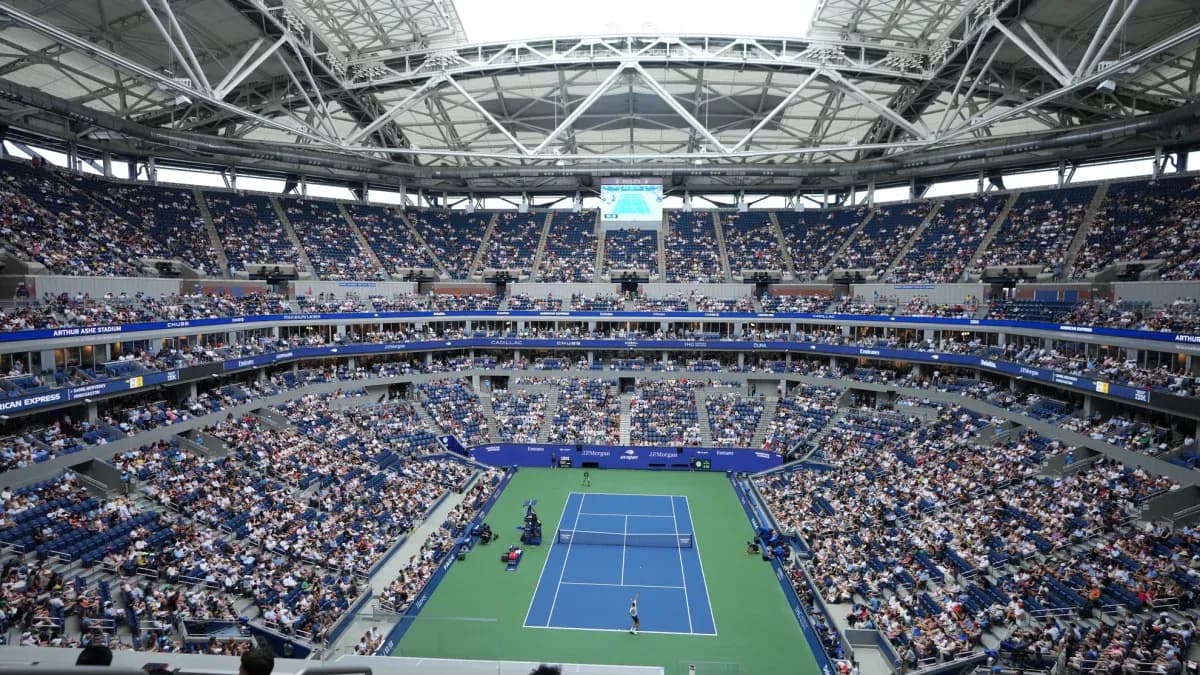
During a night match on the main court at Arthur Ashe Stadium, the noise level crossed from electric to intrusive. Fans talked and shouted through points. People in the lower bowl stood up and wandered the aisles while play was ongoing, breaking one of the most basic courtesies in the sport.
This wasn’t a stray incident in a far-flung outer court. This was the centerpiece arena of the U.S. Open, under the lights, with cameras everywhere. And still, the usual hush that falls as a player tosses the ball to serve never truly arrived.
That is not an influencer problem. That is a crowd problem.
Casual attendees, many of them new to tennis, appeared unaware — or unconcerned — that silence during points is not a suggestion but a standard. The line between a raucous New York crowd and a disrespectful one has always been thin. This year, it looks like the tournament has let it snap.
Organizers Under the Microscope
When fans start walking around during points in the lower level of Ashe, something in the system has failed. Ushers, announcements, pre-match videos, and basic event operations are meant to protect the integrity of play. Instead, players have found themselves competing through a wall of distraction that goes far beyond the usual New York edge.
The backlash is already building. Longtime followers of the sport have voiced disbelief at how poorly organized the event has felt from a crowd-control standpoint. The sense is not just that etiquette has slipped, but that the tournament has actively encouraged a looser, more chaotic environment without putting guardrails in place.
The U.S. Open has always prided itself on being the loudest, most boisterous Slam. That identity is part of its charm. This year, though, the noise has spilled into the one area where tennis has always drawn a hard line: the moments when the ball is in play.
As the final weekend approaches, the quality of the tennis is not in doubt. The question now hangs over the people running the show: when the last ball is struck and the trophies are lifted, how heavy will the criticism fall on a tournament that let the crowd become bigger than the match?