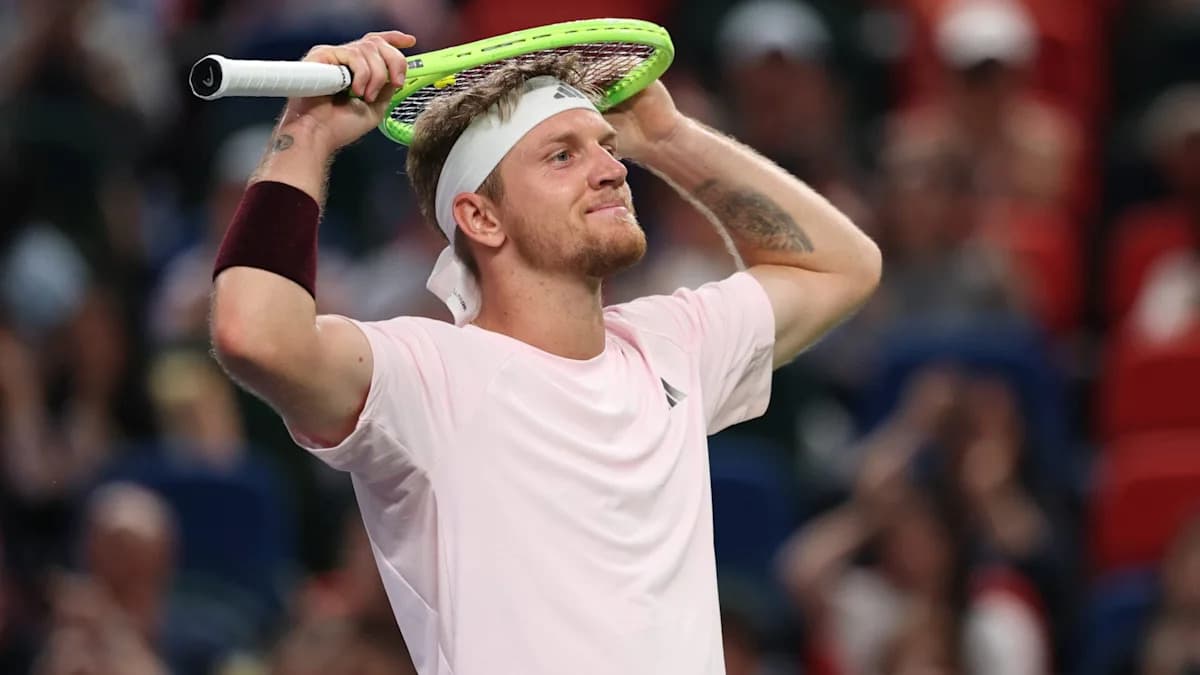
Alejandro Davidovich Fokina secured the biggest title of his career by winning the Shanghai Masters, defeating Rafael Nadal 1-6, 7-6(7-5), 6-4 in an intense final. Along the way, he also defeated top seed Alexander Zverev and Frances Tiafoe, marking an unforgettable run at the ATP Masters 1000 event.
Inspired by Arthur Fils’ Comeback
The Spanish player openly credited Frenchman Arthur Fils as a major source of inspiration during his victory celebrations. Both athletes overcame injuries and lengthy absences to return stronger on tour. Davidovich Fokina said, "I remember now when Arthur Fils, he's a very good friend of mine and he skipped a lot of tournaments this year. And he came back stronger, winning all the matches. So that gave me a lot of power. If he can do it, I can do it too." This remark suggests a growing trend where players might choose to skip events without worrying about maintaining constant presence on tour.
New Approach to Scheduling Raises Eyebrows
Both Davidovich Fokina and Fils demonstrate that consistent play isn’t the only path to success. They seem to pick tournaments selectively, often prioritizing rest and recovery over continuous competition. This mindset is echoed by veterans like Novak Djokovic, who recently won the China Open but only participates in events when fully prepared.
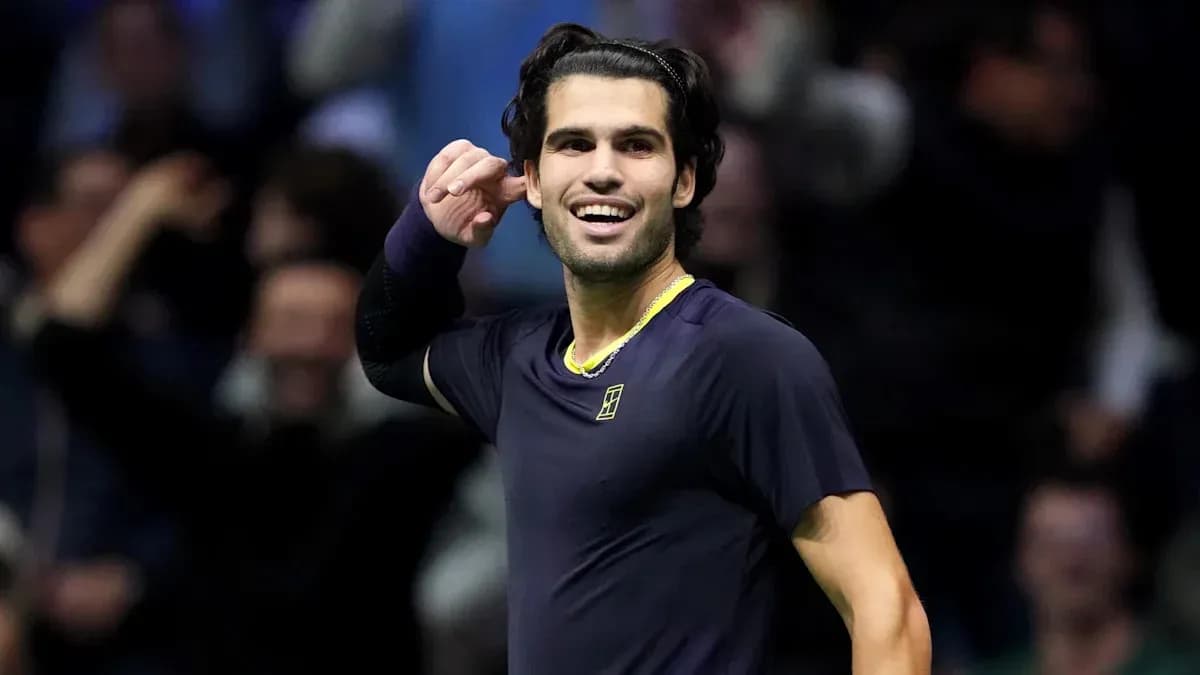
Similarly, fellow Spaniard Carlos Alcaraz missed over four months due to a wrist injury but quickly returned to form, capturing the Japan Open shortly after. His deep run to the US Open quarterfinals right after returning highlights how players may thrive even with limited preparation.
Players Opting Out Early, Forcing ATP to Rethink
This emerging pattern has already impacted the tour calendar. Top talents like Jannik Sinner and Joao Fonseca have ended their seasons early, signaling possible shifts in player priorities. Tournament directors and sponsors rely heavily on star attendance, but many big names now appear less willing to compete relentlessly throughout the season.
These developments could pose significant challenges for the ATP Tour’s traditional structure, as more players embrace strategic breaks and selective participation instead of constant competition.