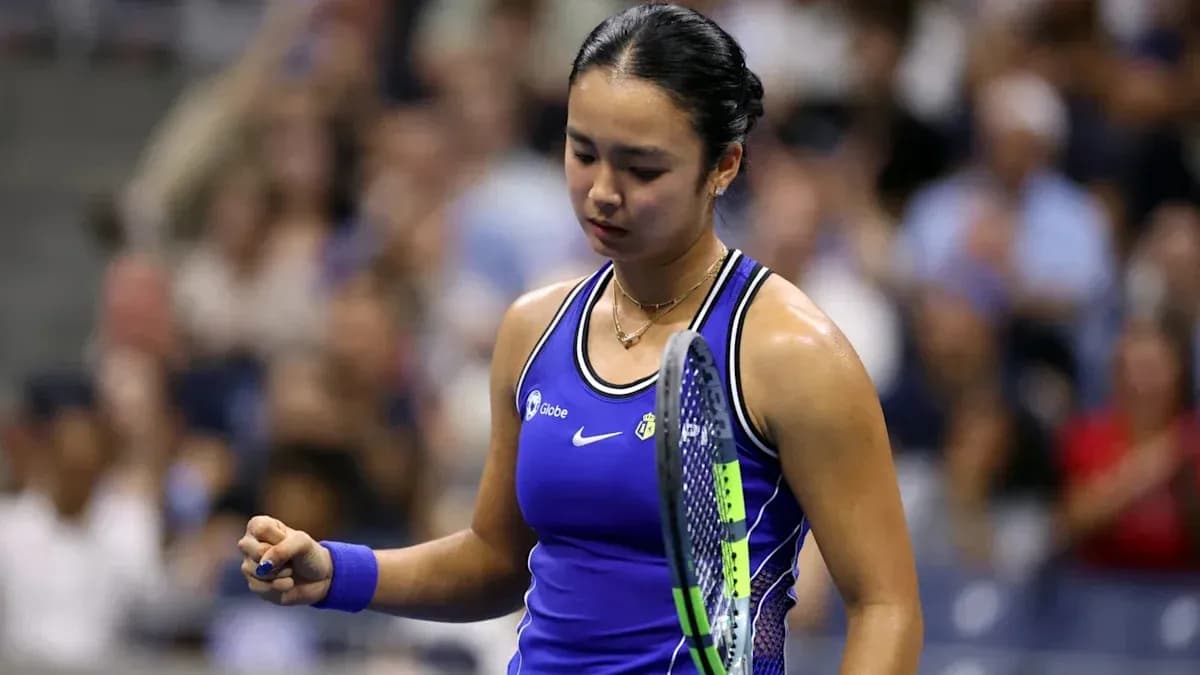
Alex Eala’s fans have been called a lot of things. Loud. Rowdy. Out of step with tennis’ hushed traditions.
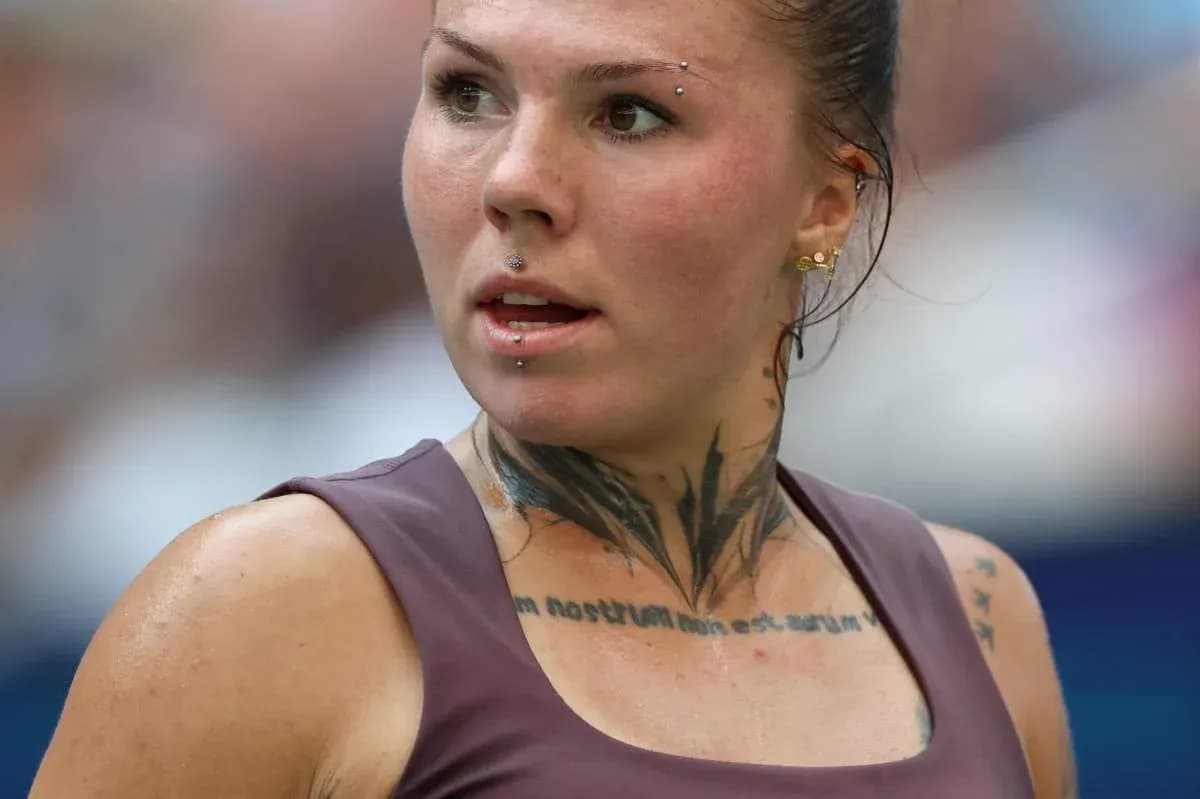
On Thursday in Louis Armstrong Stadium, Oleksandra Oliynykova got the full experience from the loneliest place in the building — across the net.
She lost 6-1, 6-4. She walked off to the sound of a partisan crowd still buzzing for Eala.
Hours later, she didn’t complain.
She thanked them. In three languages.
“Mahigpit na yakap sa aking mga tagahanga sa Pilipinas!” she wrote on Instagram. “Napakainit ng inyong pagmamahal, napakatapat, at talagang kahanga-hanga kayo!”
A tight embrace for her supporters in the Philippines. Praise for their warmth, loyalty and kindness. From the player they had just spent two sets trying to roar out of the tournament.
It was a small post. It said a lot.
A New Noise in an Old Sport
Tennis has long prided itself on a certain sound — or lack of it. Polite applause. Murmurs between points. Silence when the ball is in play.
Eala’s rise has dragged a very different soundtrack into that world.
The Washington Post detailed the tension this week: new fans cheering double faults, shouting during points, needing ushers and announcements to remind them when to quiet down. One sign at this year’s US Open captured the culture clash in eight unapologetic words:
“Sorry we’re loud. We’re Filipino.”
Traditionalists have bristled. Longtime followers have labeled some of the behavior bad manners. In the Philippines, media outlets have responded by publishing explainers on tennis etiquette, trying to bridge the gap between NBA-style passion and ATP/WTA decorum.
There is a line. Players deserve silence on serve and during rallies. Distraction is not part of the game.
But stopping there misses what is actually happening around Eala.
She is pulling in people who never would have watched a set, much less bought a ticket.
At Flushing Meadows, that has meant families draped in Philippine flags, kids in Eala shirts, and supporters pouring in from Filipino communities in Queens and New Jersey. The US Open itself called Thursday’s scene a “Filipino party” inside Louis Armstrong, as thousands turned a second-round match into something that felt closer to a homecoming.
One woman told USOpen.org that her granddaughter picked up a racquet because of Eala.
That is not noise. That is growth.
The Opponent Who Felt the Love
Oliynykova saw it up close, and then again when she stepped away from the court.
“I went for a little walk around the US Open grounds, and it was incredibly heartwarming to see how many people came up to me with kind words,” she wrote on Instagram.
She talked about an “incredible number” of messages and comments. About feeling supported, not targeted.
This was the same crowd that had just screamed for her defeat. The same sea of flags and Tagalog signs that surged every time Eala won a point.
Yet when the match ended, the hostility didn’t follow her out the gates. The intensity of competition gave way to something else — curiosity, gratitude, respect.
That pivot is familiar to anyone who knows Filipino sporting culture: fierce, almost tribal loyalty during the contest, and then a kind of communal embrace once it’s over.
Oliynykova could have leaned into the easy narrative of unruly fans. Instead, she chose to highlight their kindness. She even reached for their language to do it.
Eala and the Crowd She’s Changing the Game With
Eala’s following does not look or sound like the traditional tennis gallery. That is exactly why it has rattled some corners of the sport.
It is also why it matters.
On Thursday, Armstrong shook. Reuters described Eala as being powered by an “enthusiastic crowd” thick with Philippine flags and hand-painted Tagalog banners. For a second-round match, it felt like a late-night show court in the second week.
But the impact doesn’t stop at the gates.
The Wall Street Journal has detailed how Eala’s rise has sparked fresh interest in tennis across the Philippines, a country of more than 100 million where basketball courts and boxing gyms have long outnumbered tennis courts in the national imagination.
For years, tennis has talked about needing younger fans, more diverse audiences, deeper roots in markets beyond its traditional strongholds.
Here is a 19-year-old doing exactly that, simply by being herself and playing with a crowd that refuses to sit on its hands.
None of this means every breach of etiquette gets a free pass. Fans can learn when to be quiet without losing what makes them unique. They can respect the serve and still erupt on the winner.
But dismissing Eala’s supporters as merely disruptive misses the larger story unfolding in front of the sport.
On Thursday, a Ukrainian opponent walked into a storm of sound and left feeling embraced. A US Open show court turned into a celebration of a country that has rarely had this kind of stage in tennis.
Eala’s fans are learning tennis’ customs. Tennis, it seems, may have to decide how much it’s willing to learn from them.