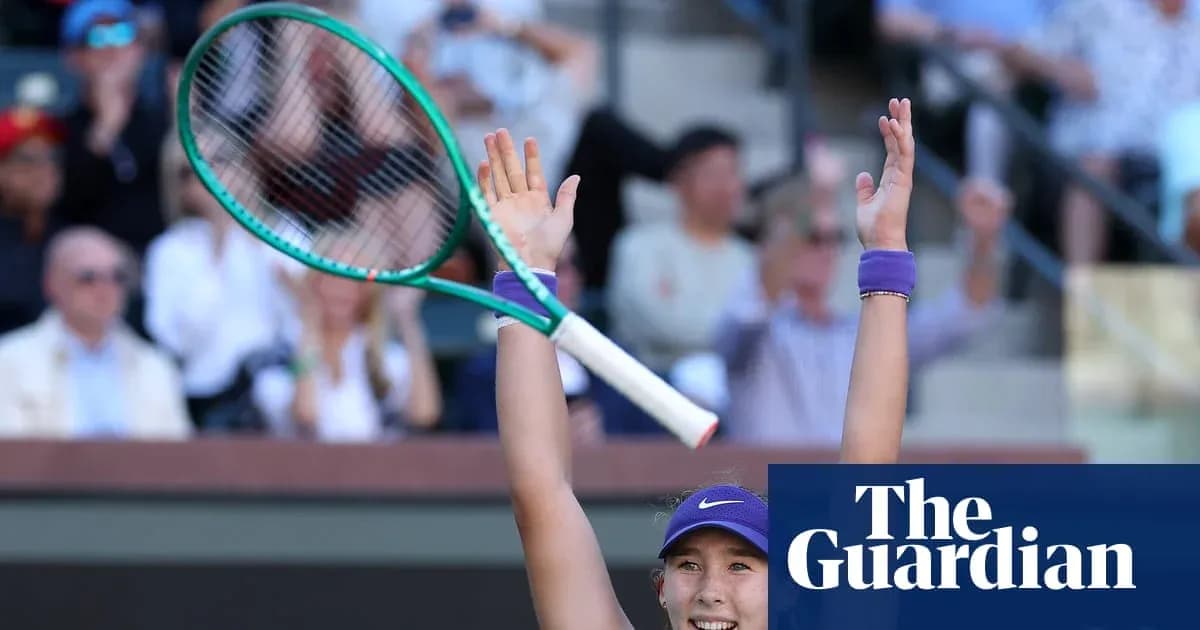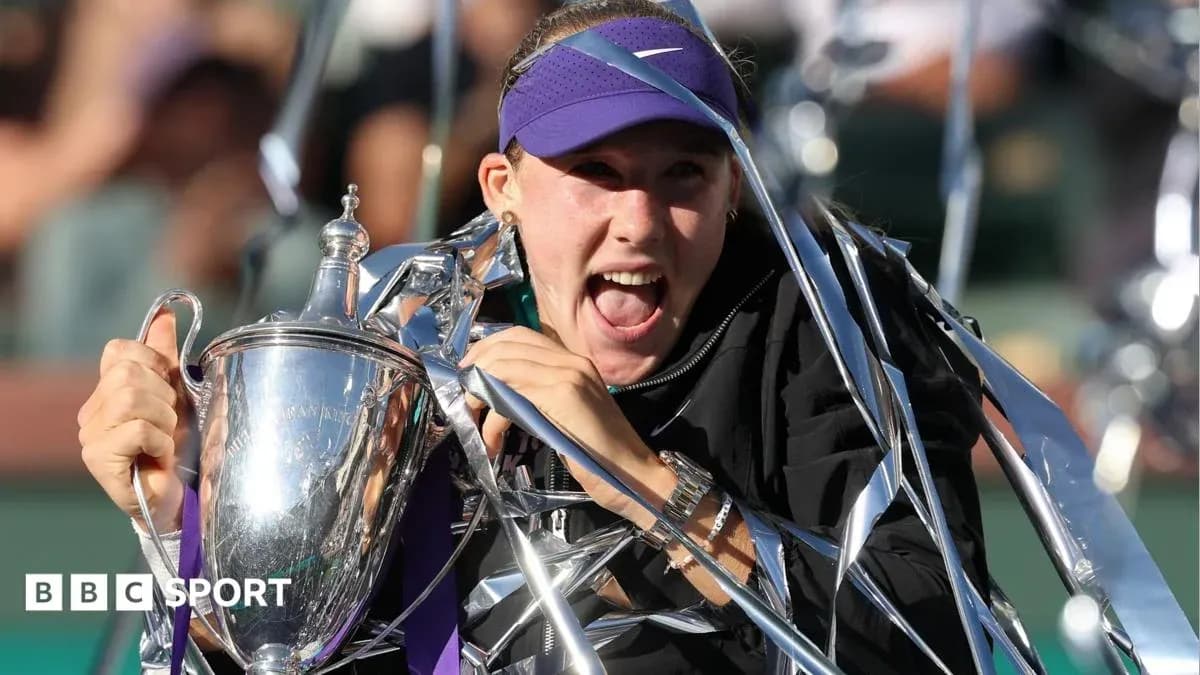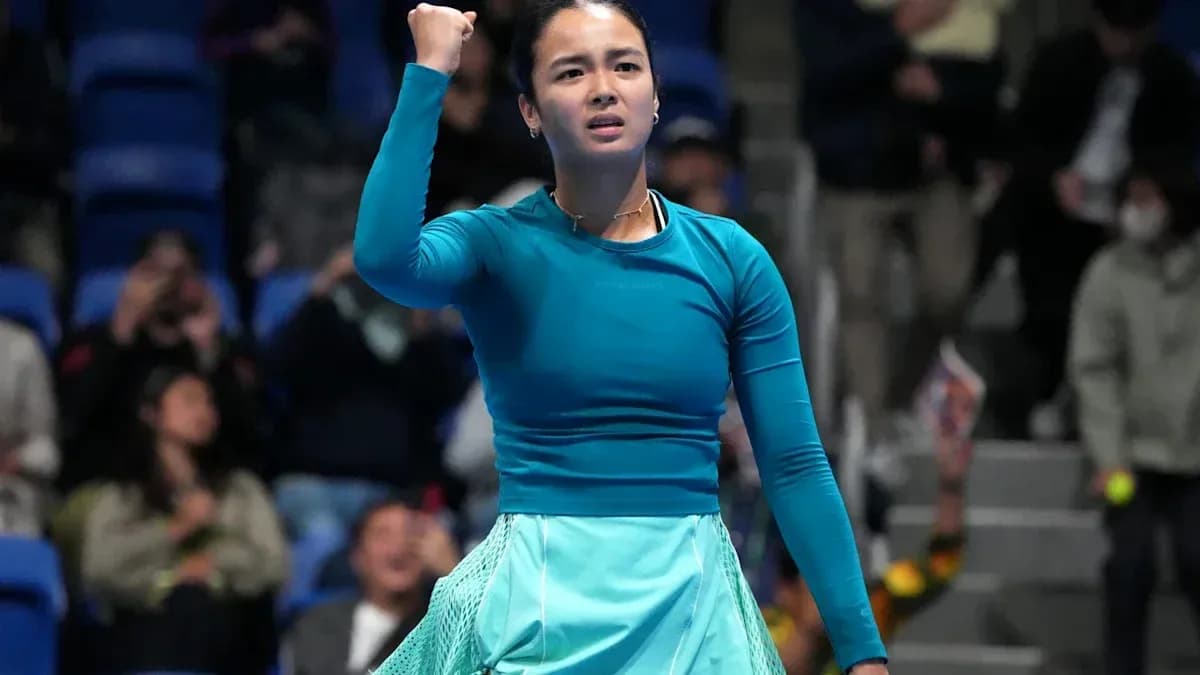
Alex Eala walked out of Tokyo without a trophy, but not without a statement.
The Filipino star’s quarter-final exit at the Tokyo Open might read like a setback on paper. In reality, it underlined just how thin the line has become between her and the players lifting titles.
This has been the season of her career. A maiden WTA crown in Washington. A run to the fourth round at Wimbledon. A long-awaited breakthrough into the world’s top 20. Then came the post‑US Open dip: just three wins in seven matches, the rhythm suddenly broken after months of upward surge.
Tokyo changed the mood.
Pushing the champion to the brink
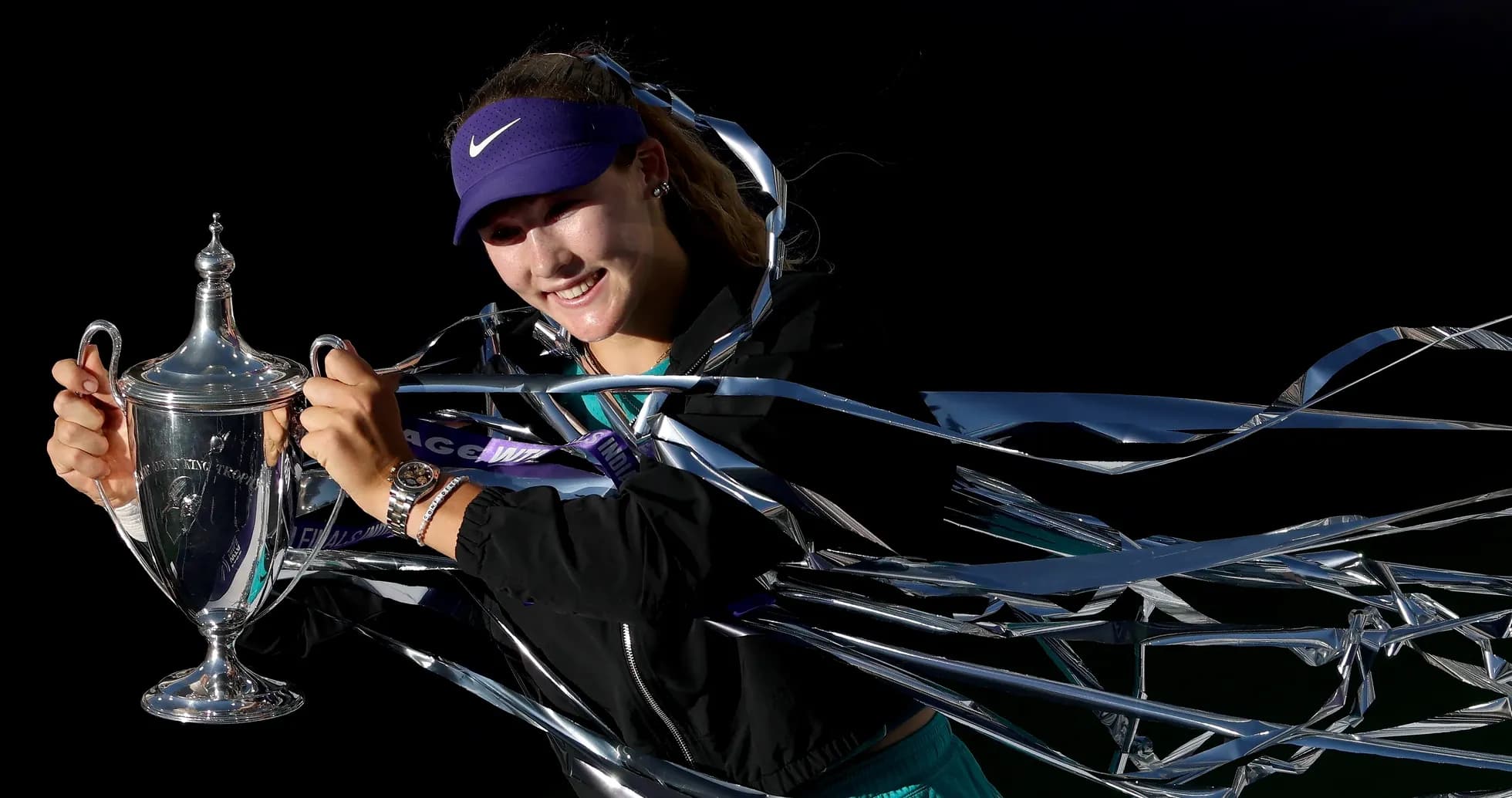
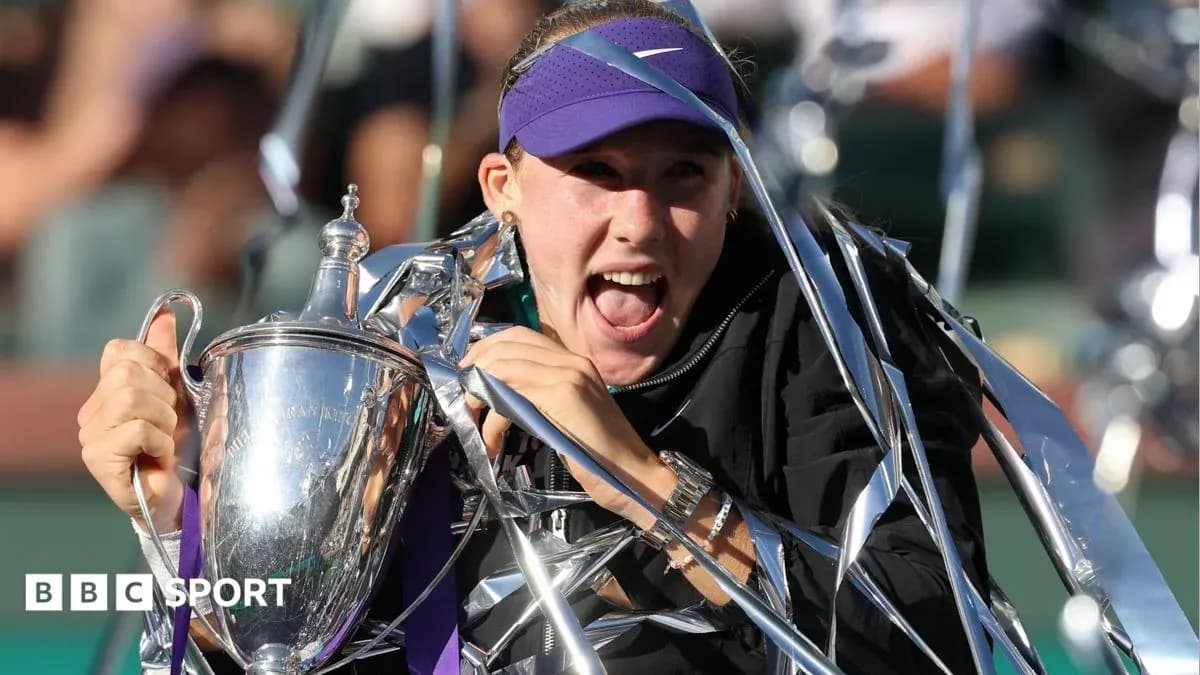
For the second time in a matter of weeks, Diana Shnaider stood in Eala’s way. The Russian had already beaten her in Ningbo. In Tokyo, she needed every ounce of resilience to do it again.
Eala tore through the opening set 6-2, striking first and striking hard. She then pushed Shnaider to a second-set tiebreak, twice standing within touching distance of a straight-sets win. Two points. That was the margin between a quarter-finalist and the woman who would end the week with the trophy in her hands.
Shnaider clawed back, edging the breaker 7-6(5) and grinding out the decider 6-4. It was the closest anyone came to stopping her. Others took her to three sets, but none had her as exposed, as close to defeat, as Eala did.
For a player searching for form, that matters. It shows the gap is not widening; it is closing. Against an eventual champion, on a week when she desperately needed signs of life, Eala found them in the most demanding of tests.
Tokyo, by any reasonable measure, was her best tournament since the US Open.
A final stop: Hong Kong and a tricky draw
Now comes the last chapter of her 2026 season: the Hong Kong Open.
There is one immediate relief. Shnaider is nowhere in the draw. The bad news? The path to a second WTA title is still lined with danger.
Alycia Parks awaits in the first round. On rankings and recent form, likely future opponents include Tereza Valentova, Xinyu Wang, Maria Sakkari and Sorana Cirstea. It is a field with few secrets for Eala. With the exception of Sakkari, whom she has never faced, she already has history with all of them.
The numbers tell an intriguing story. Eala is level at 1-1 in her head-to-heads with Parks, Wang and Cirstea, and she won the most recent meeting against each of them. Those are matchups she knows she can handle when her level is high.
Valentova is different.
The Czech, still only 19, has been a stubborn obstacle. Eala has faced her twice and lost twice — at the Japan Open in 2025 and the Qatar Open in 2026. Valentova’s ranking once soared as high as No. 42 during a breakout campaign, before injuries and a dip in form dragged her outside the top 80. Even so, the matchup has not yet tilted Eala’s way.
For that potential clash to materialise in Hong Kong, both players have work to do. Eala must first get past Parks. Valentova needs to come through her opener against qualifier Himeno Sakatsume.
The main draw starts on Monday, November 2, but both Eala and Valentova will step on court a day later. By then, the Tokyo memories — the narrow miss against Shnaider, the reminder that she can push title winners to the edge — will either fuel one last surge, or linger as a what-if.
After a season that finally announced her as a top-20 force, which version of Alex Eala will Hong Kong see?