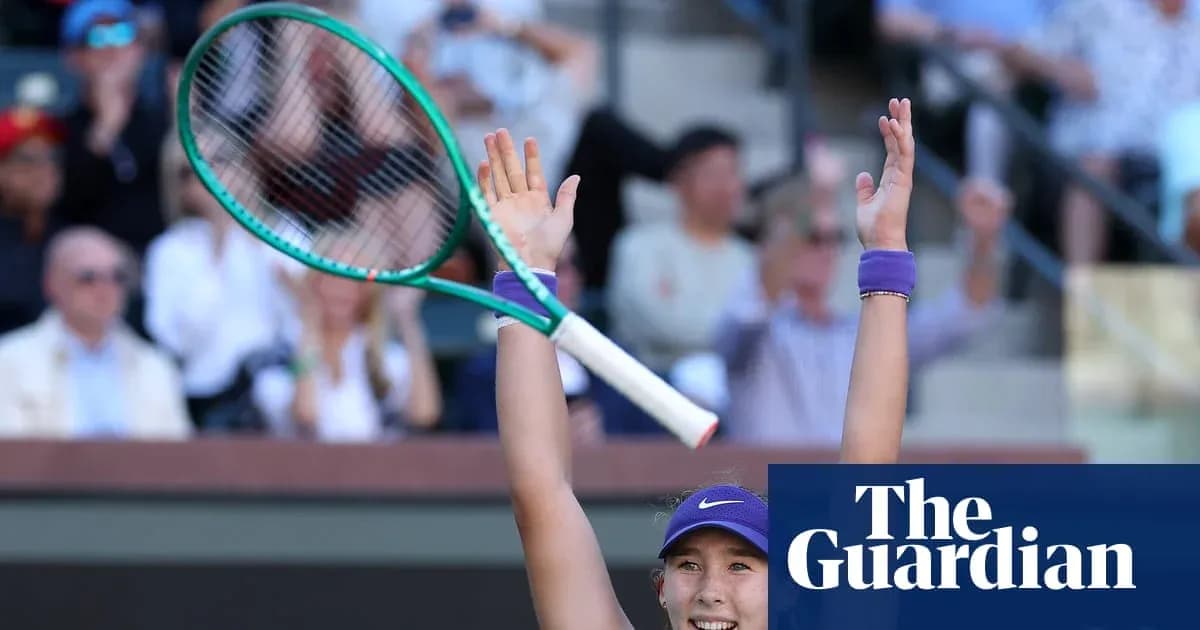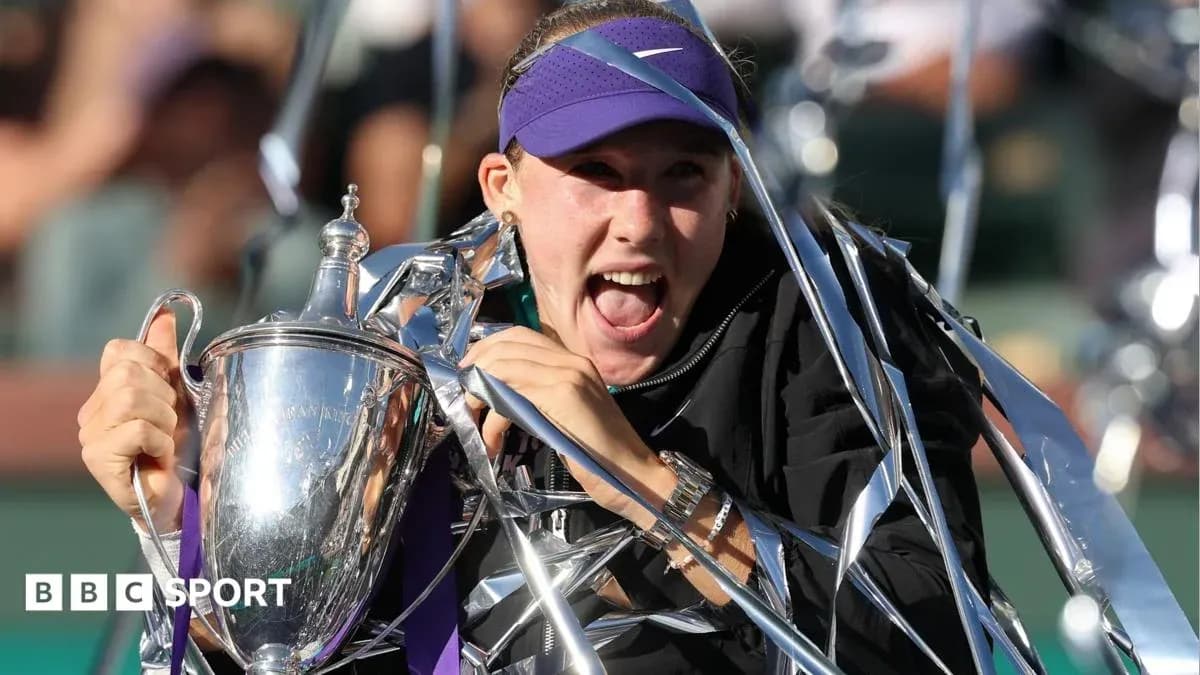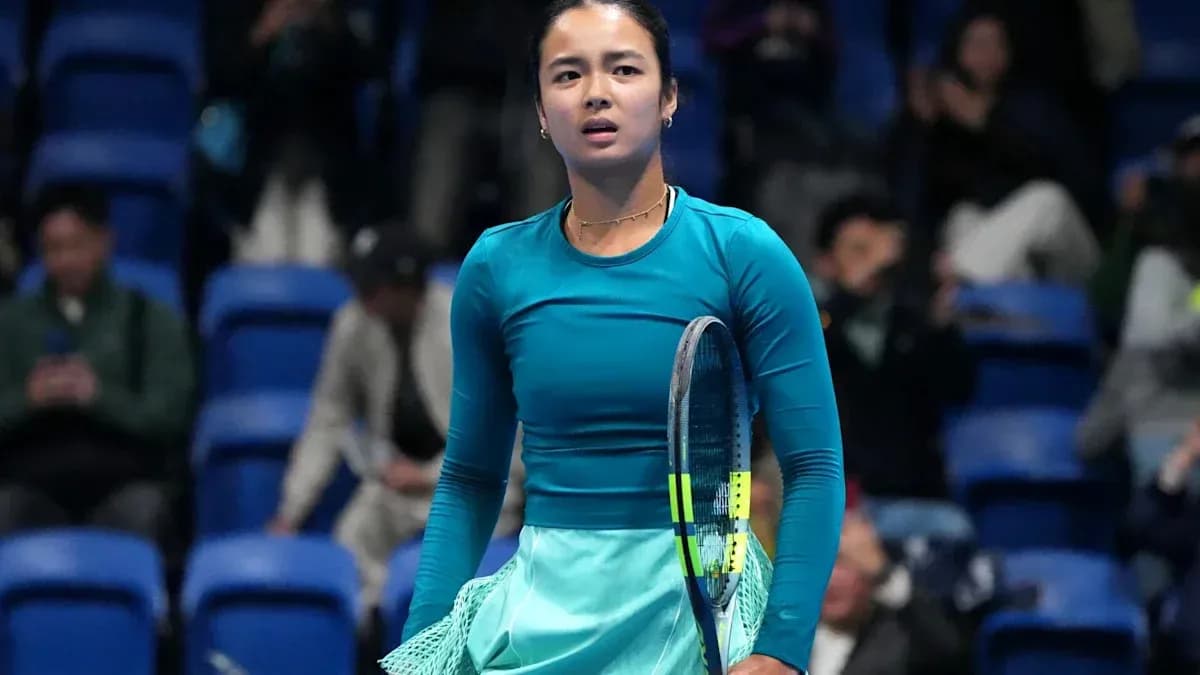
Alex Eala does not have to look far to find the blueprint for revenge against Diana Shnaider. It is written in the numbers from Ningbo, and in the aces she rained down in Tokyo this week.
Seven days ago at the Ningbo Open, the Russian left-hander stopped Eala cold in their first-ever meeting, 7-5, 6-4. The scoreline was tight. The underlying story was not. Eala’s serve deserted her, and Shnaider broke her six times. For a player who has powered herself into the top 20 on the back of a breakout 2026 season, that weakness stood out like a red flag.
Now they meet again, this time in the quarter-finals of the Tokyo Open. Same opponent. Same threat. Very different opportunity.
Serve or suffer
Eala’s rise this year has been rapid and ruthless. A first WTA title in Washington. A run to the second week at Wimbledon. A place among the game’s elite. All of it built on aggressive baseline play, court coverage, and a competitive edge that rarely dips.
But the serve has lagged behind the rest of the package, and Ningbo underlined it. Her first-serve percentage hovered barely above 50%. The points she did land in the box did not bring enough reward either, with a similarly modest first-serve win rate. Against a returner as sharp as Shnaider, that is an invitation to be broken.
The result was a match in which Eala constantly played from behind on her own delivery, scrambling to dig out of service games that never felt secure. Shnaider did not have to do anything spectacular to seize control; she simply punished second serves and leaned on Eala’s inconsistency.
That cannot happen again in Tokyo.
A different Alex in Tokyo
The encouraging part for Eala is that the fix does not live in theory. It already showed up on court.
In her run to the last eight in the Japanese capital, Eala has looked like a different server. Against Talia Gibson, she struck nine aces – her highest ace tally in any match this season. The percentages followed: more first serves in, more points won behind them, less time under siege in her own games.
Gibson is not Shnaider. The Russian is a higher-calibre opponent and will attack with greater venom on the return. But the identity of the player across the net does not change the basic task: hit a higher share of first serves, and back them up with conviction. The ball toss, the rhythm, the commitment to the target – those are on Eala alone.
Technical overhauls can wait for the off-season. She does not need a new motion to trouble Shnaider. She just needs the Tokyo version of her serve, not the Ningbo one.
The left-handed puzzle
There is another layer to this rivalry, one that goes beyond mechanics.
Eala is left-handed. So is Shnaider. On paper, that should neutralize some of the usual lefty advantages – the wide slider on the ad court, the natural angles into a right-hander’s backhand. In reality, it has exposed a different problem.
Eala has yet to beat any of the other left-handers currently ranked inside the top 100. The patterns she uses to unpick right-handers do not always translate cleanly when the spins and angles come back at her from the same side.
Shnaider exploited that in Ningbo, dragging Eala into awkward positions and forcing her to hit from uncomfortable zones of the court. The match did not just test her serve; it tested her ability to solve a left-handed puzzle she has not yet cracked at this level.
That record will hang in the air when they walk onto court in Tokyo. So will the knowledge that Eala is not just chasing a quarter-final win. She is chasing a statement: that she can adapt, adjust, and finally turn that lefty-on-lefty narrative in her favour.
The numbers from Ningbo are clear. The serving performance in Tokyo is promising. Now the question is simple: can she bring the new serve, and a new plan, to the same opponent who exposed the old flaws just a week ago?