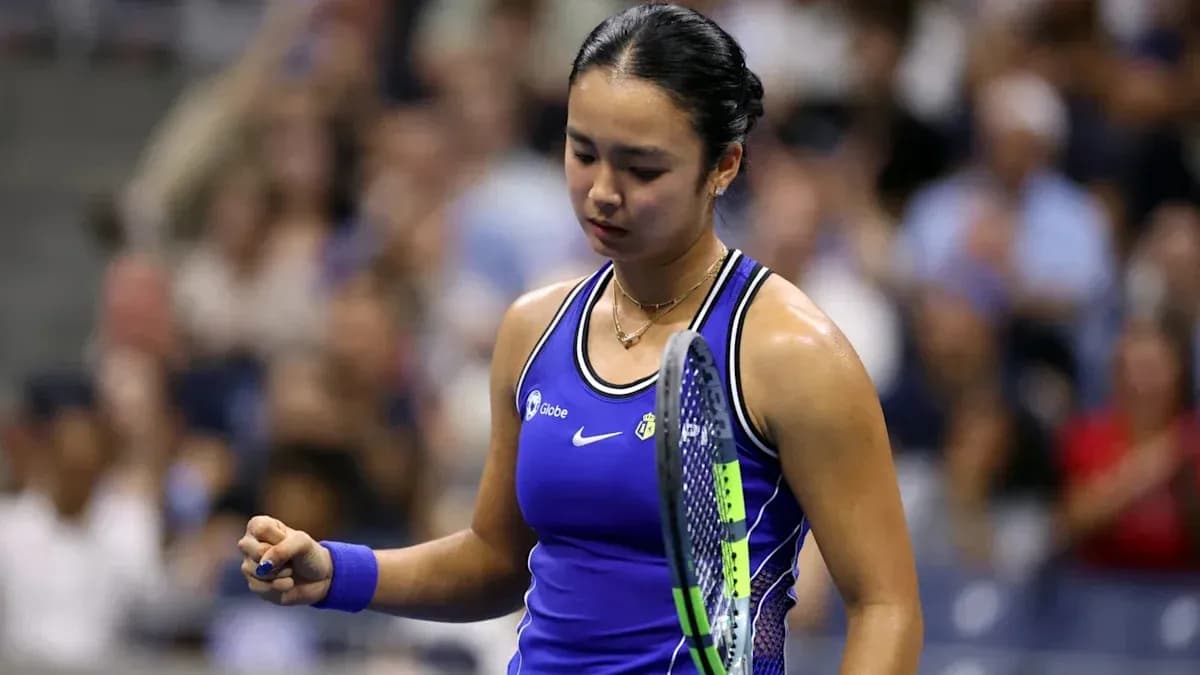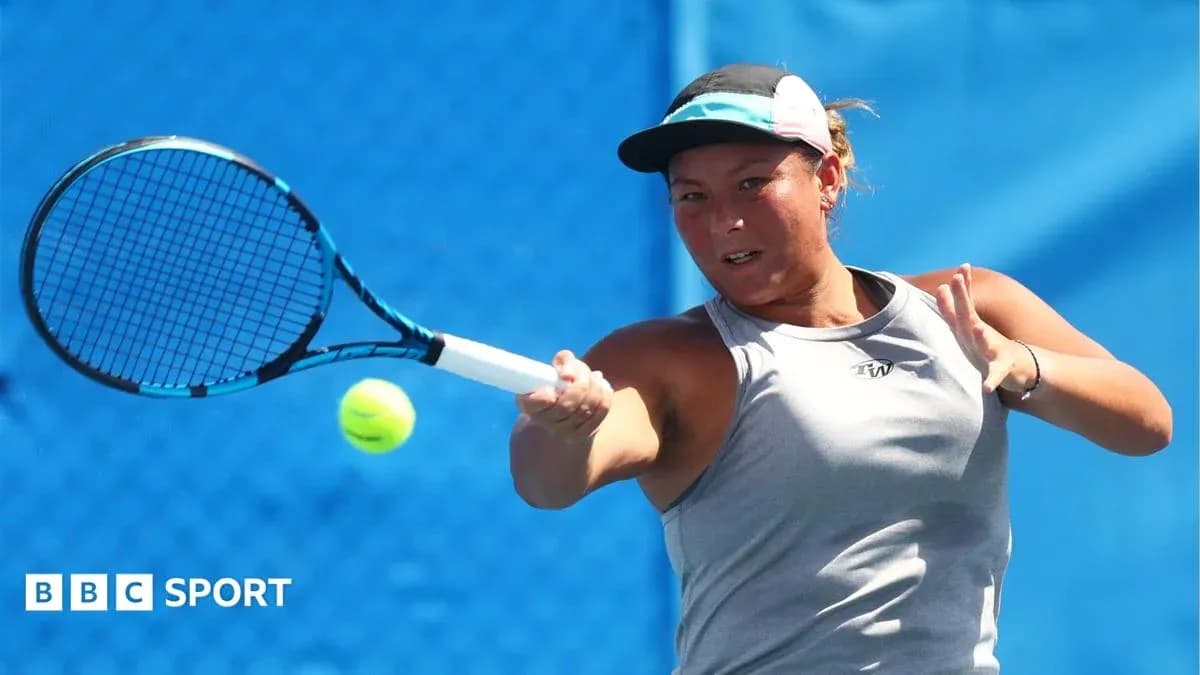
Alexandra Eala is coming home, and the stage could not be bigger.
On December 8, the Filipina star will headline an exhibition billed as “Game Set Celebrate” at the Philippine Arena, facing Indonesia’s Janice Tjen in what is being positioned as a landmark night for tennis in the country.
This is no ordinary hit-and-giggle. The Philippine Arena can hold 55,000 spectators. Fill it, and Eala’s homecoming will shatter the attendance record for a tennis match, eclipsing the 51,954 fans who watched Roger Federer and Rafael Nadal in South Africa in 2020.
That is the scale of the ambition. It also fits the scale of her following.
A home event that feels inevitable
Wherever Eala plays, the crowds seem to find her. On the women’s side, no one on tour draws traveling support quite like she does. Across the sport, only Joao Fonseca on the ATP Tour can match the same kind of grassroots buzz.
So a showpiece in the Philippines feels less like a gamble and more like an overdue reward. It offers a chance for fans who have only seen her on screens—or followed her results from afar—to finally watch her live without having to cross borders or continents.
If the stands do fill to the rafters, Manila will not just be hosting an exhibition. It will be rewriting a page of tennis history.
A new audience, a new standard
Eala has become one of the sport’s most effective ambassadors, particularly in a country where tennis has long lived in the shadow of basketball and boxing.
She is pulling in people who never cared about rankings, seedings, or Grand Slam draws. Fans who once barely glanced at a tennis score now track her matches, dissect her performances, and plan their days around her court times.
Part of that magnetism comes from her game. Part of it comes from her personality on court.
Her tenacity is relentless. She chases lost causes, plays every point as if it might swing the match, and carries a never-say-die edge that makes her easy to rally behind. Her instincts in rallies stand out: early preparation, sharp anticipation, a feel for when to absorb and when to attack.
Her return of serve, in particular, has surged into one of her biggest weapons. She reads tosses well, steps in with conviction, and turns neutral points into immediate pressure situations.
The serve, though, still lags behind. By tour standards, it remains one of the slower deliveries on the WTA, a clear area where she and her team know there is ground to make up. For now, she compensates with placement, variation, and fierce competitiveness in the next shot.
That contrast—rapidly improving game, glaring room for growth—only adds to the intrigue. Fans are not just watching a finished product; they are watching a player on fast‑forward.
All eyes on December
All of that—her fire, her flaws, her evolution—will be on display in front of a potentially colossal home crowd in December.
An arena built for 55,000. A national star still climbing. A global record within reach.
If the seats fill and the noise matches the numbers, “Game Set Celebrate” will be remembered as more than a celebration of Alexandra Eala.
It might be the night Philippine tennis discovers just how big it can dream.