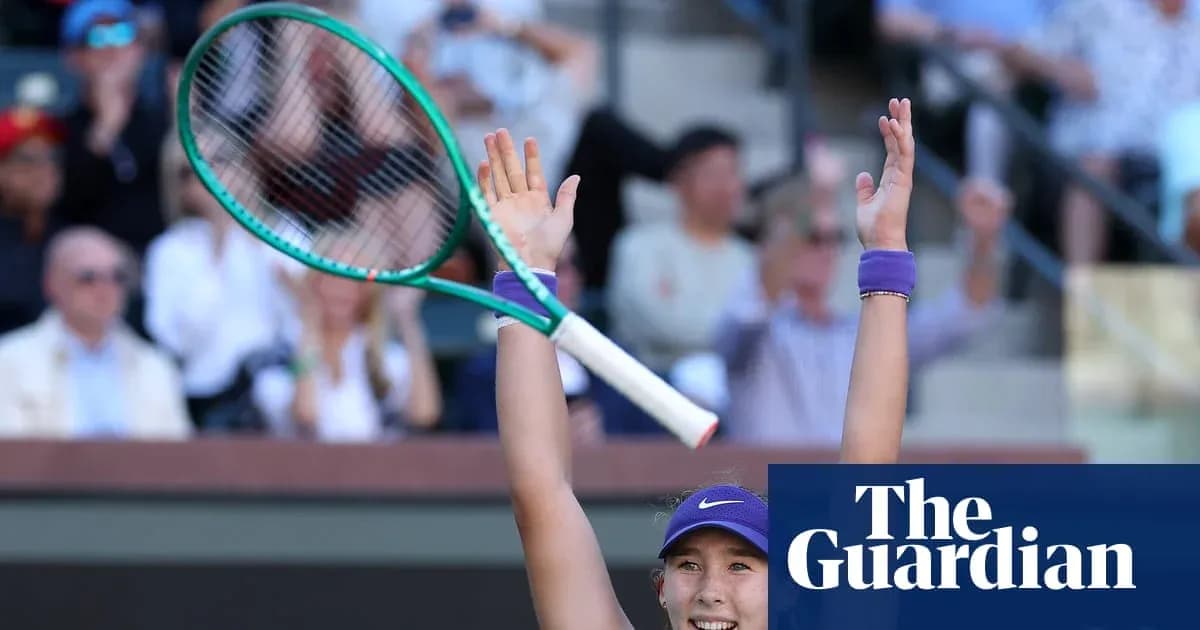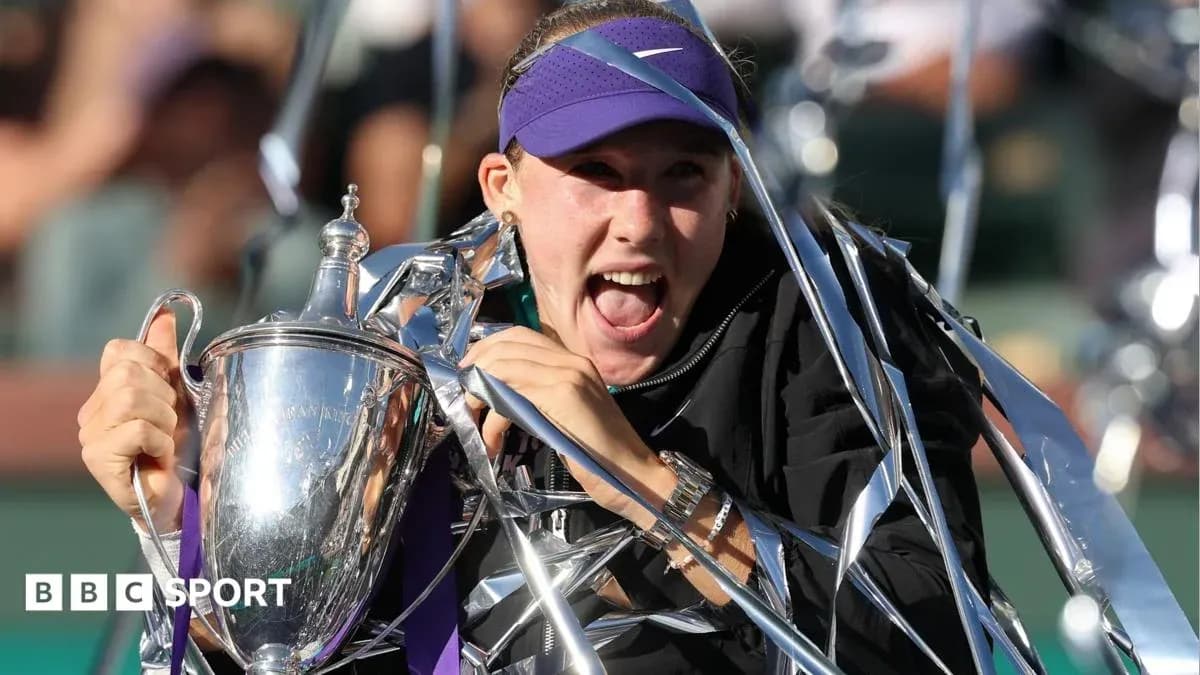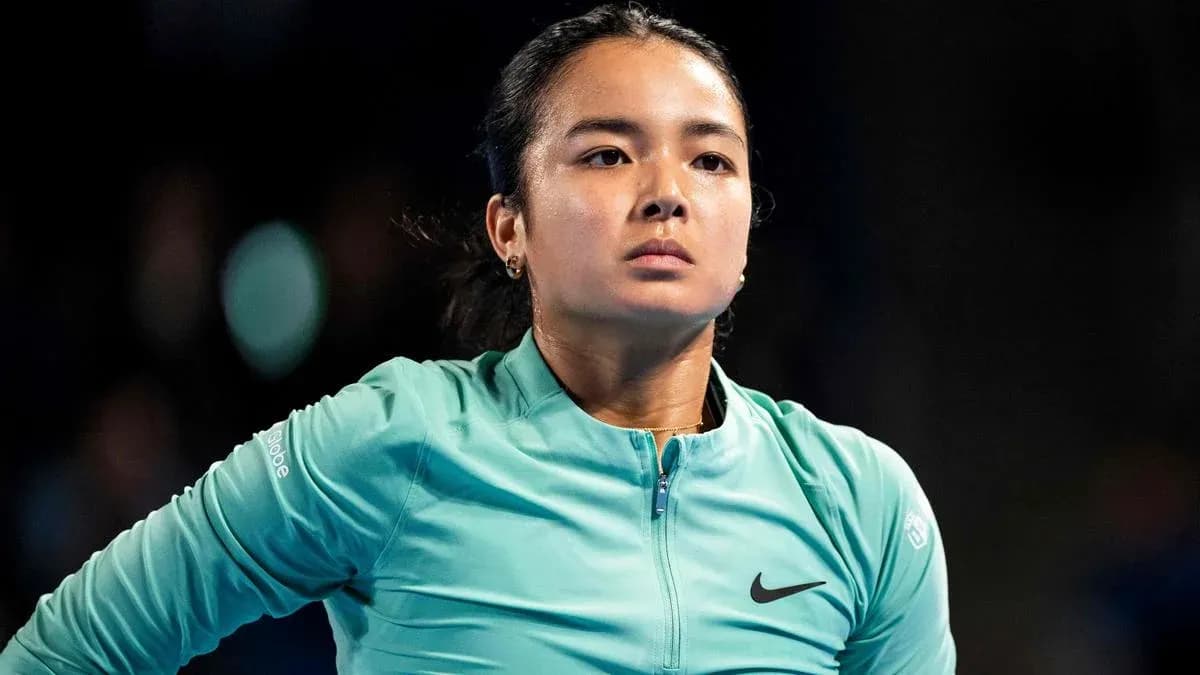
Alexandra Eala’s Tokyo run ended in heartbreak on Friday, but not in retreat.
The 21-year-old from the Philippines pushed third seed Diana Shnaider to the edge before falling 2-6, 7-6 (7/5), 6-4 in a gripping quarterfinal at the Pan Pacific Open, a match that underlined why this has been her true breakthrough season on the WTA Tour.
A flying start, then a fight
For a set, Eala looked every bit a top-10 player in waiting.
She ripped through five straight games to take the opener 6-2, dictating rallies and unsettling the world No. 13 with fearless baseline hitting. Shnaider, usually the one bullying opponents around the court, found herself scrambling, late on balls, searching for answers.
The match tightened in the second. The free-flowing winners gave way to long, tense exchanges. Neither player yielded a service game. Both stared down break points. Neither blinked.
The set came down to a tie-break, and this time Shnaider’s experience at the sharp end of big events told. She edged it 7-5, snatching back momentum that had been slipping away since the opening stages.
The decider swung early. Shnaider grabbed an immediate break and held onto it, forcing Eala to chase from behind. The Filipino star needed treatment on her right foot, a brief pause in a contest that had become a physical and mental grind. Shnaider, sensing the finish line, stayed ruthless and closed out the match with an ace.
A brutal ending. A high-quality duel.
Eala called it “a huge battle,” and it was exactly that.
“Both of us could take the match to a really, really high level,” she said. “I’m proud of that despite the loss, but I do think I had my chances. Next time, hopefully do better in those moments.”
A season that changed everything
Defeat in Tokyo does not dim what this year has meant for Eala or for Philippine tennis.
In August, she became the first player from the Philippines to win a WTA Tour title, lifting the trophy in Washington and breaking through a barrier that had stood for generations. That win propelled her into the top 20; she arrived in Tokyo as world No. 19 and left having shown once more that she belongs in that company.
This was her first appearance at the Pan Pacific Open, yet she played like a regular on the Asian swing. It was also her second trip to Japan in as many months, after a semifinal run at the Asian Games in Nagoya, and again she found a home-court feel far from home.
A large, loud group of Filipino supporters followed her every step. Flags waved. Voices rose with every point.
“To be in front of the crowd and to play in this atmosphere is always super special,” she said. “I love Japan as a whole, whether I’m here for tennis or not, so I really had fun.”
There was no sense of a player ready to wind down. If anything, the loss seemed to sharpen her focus.
“I’m super excited, and I’m going in with high motivation,” she said of her final event of the year in Hong Kong. “I’m trying to put my reflections off for one more week because of said motivation. Check back in a week.”
She knows what this season represents. She just isn’t ready to look back yet.
One week more
Hong Kong will close Eala’s year, and she will arrive there as one of the title favourites. The draw will respect her ranking. The locker room will respect her game. The stands, if the Filipino diaspora turns out again, will feel familiar.
For now, Tokyo moves on without her.
Shnaider, hardened by the quarterfinal scrap, advances to face 18-year-old Slovak Mia Pohankova, who beat American Alycia Parks 7-6 (7/3), 6-3 to reach the semifinals. On the other side of the draw, Kamilla Rakhimova of Uzbekistan meets Canada’s Leylah Fernandez, who progressed when world No. 1 Elena Rybakina withdrew with a neck injury after already securing the year-end top ranking.
Eala’s name will not be on the weekend order of play in Tokyo. But her season still has one more stage, one more city, one more chance to turn “breakthrough” into something even louder.
She has postponed the reflections. Hong Kong will decide how they sound.