Alfie Hewett arrived in New York with scars. Two brutal defeats to Tokito Oda in Grand Slam finals this year, including a humbling two-game showing at Wimbledon, had left Britain’s leading wheelchair star questioning himself as much as his tennis.
On Sunday, he answered both.
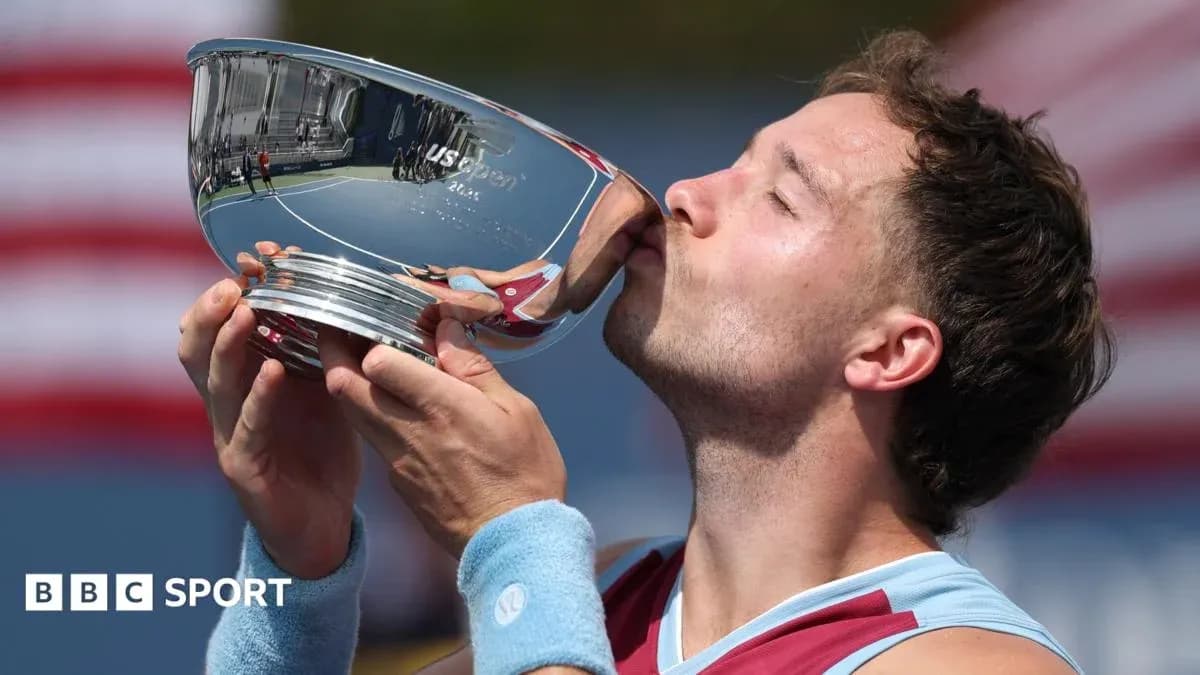
Hewett dismantled the world’s dominant force 6-0 7-6 (7-5) to win a fifth US Open men’s wheelchair singles title, stopping Oda from completing a calendar-year Grand Slam and reclaiming a stage he has long called home.
He had already left Flushing Meadows this week with one trophy, the doubles title alongside long-time partner Gordon Reid. This one felt different. This one felt personal.
From “a shell of myself” to possessed
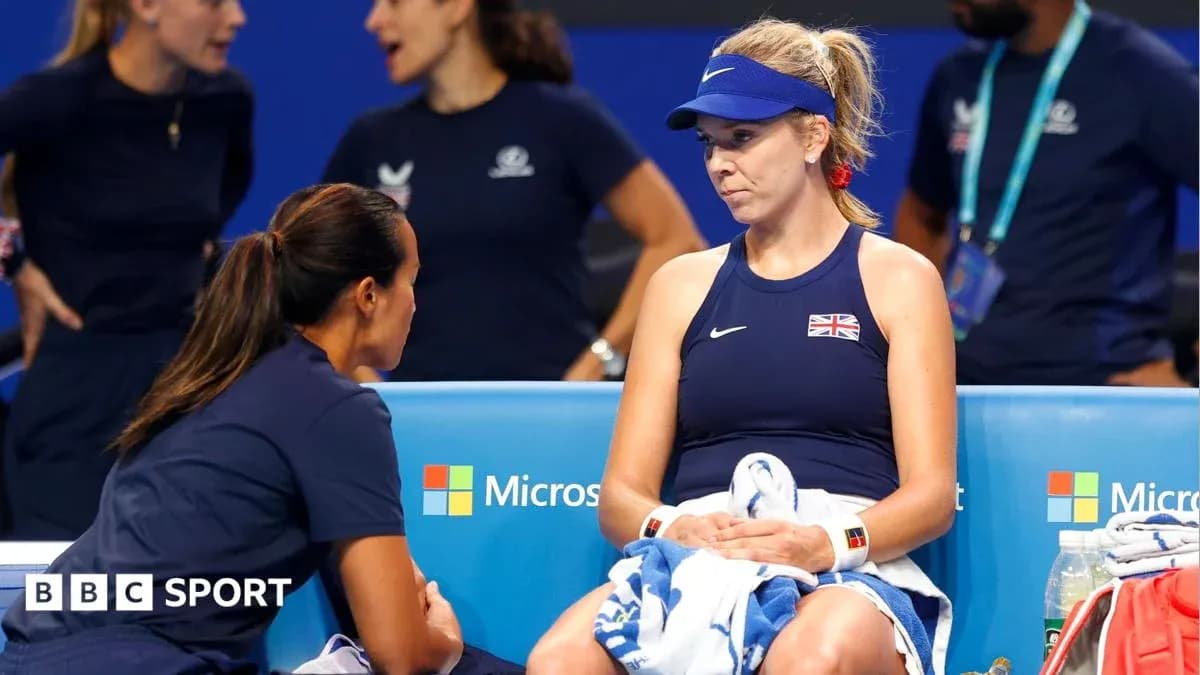
Hewett, 28, had been open about what that 6-1 6-1 defeat at SW19 did to him. Losing to Oda in both the French Open and Wimbledon finals, barely laying a glove on the Japanese star on grass, forced him into what he called a “look in the mirror” moment.
He realised he had drifted away from the version of himself that had carried him to 10 Grand Slam singles titles: the fighter, the risk-taker, the player who embraced pressure instead of shrinking from it.
“I’m known for being just as fearless, brave and courageous in big moments,” he told BBC Sport, admitting that at Wimbledon he had been “quiet,” “timid,” “a shell of myself.” For six weeks, he said, he had been “champing at the bit” to prove he could be that player again.
In the opening set in New York, he was more than that. He was ruthless.
After saving a break point in the very first game, Hewett flicked a switch. The nerves that had gripped him in London were nowhere to be seen. He attacked returns, stepped into the court, and dictated rallies against a player who had seemed untouchable on the biggest stages.
He later described that set as “possessed.” It looked that way. Hewett tore through it 6-0, sealing it with a vicious backhand return winner that landed like a statement: not this time.
Oda, the top seed and the man who had collected the Australian Open, Roland Garros and Wimbledon titles this year, suddenly looked human.
A champion’s response under fire
Of course, Oda was never going to go quietly. The 20-year-old had strung together six consecutive Grand Slam singles titles coming into this final, a streak built on composure and relentless accuracy. Once he settled, the second set became the contest everyone had expected.
Hewett’s early dominance faded as Oda began to find his range, dragging the Briton around the court and building a double-break lead. The momentum, and the match, seemed to be tilting back towards the world’s best.
This was the point in recent finals where Hewett had faded. Not this time.
He dug in, clawing back one break, then another. He saved three set points as Oda tried to force a decider, refusing to let the set go even as the pressure tightened around him. The rallies grew longer, the tension heavier.
The set bled into a tie-break. Nerves, history, the weight of Oda’s calendar-year Grand Slam bid – all of it sat there between them.
Hewett embraced it.
He played the breaker with the clarity he had been searching for all summer, striking through the ball, not waiting for mistakes. At 7-5, when Oda’s final chance evaporated, Hewett had completed one of the most significant wins of his career: a straight-sets victory over the sport’s form player, built not on Oda’s dip but on his own resurgence.
Oda’s dream halted, Hewett’s edge restored
For Oda, this was a brutal end to what had been an almost flawless season. “Definitely I was trying to get the calendar year [Grand Slam] this year,” he said on court, acknowledging that “this was the last part of it so it’s really tough for me,” before adding that Hewett “deserved it today.”
He was right. This wasn’t a shock upset or a collapse from the favourite. It was a seasoned champion rediscovering his identity on a court that has so often amplified it.
Hewett leaves New York with two titles and, perhaps more importantly, with that inner argument settled. The man who felt muted at Wimbledon has re-emerged in full voice.
Oda’s run of six straight majors is over. Hewett’s own tally now stands at 11 singles Grand Slams, his fifth in the US, and this one carries a different kind of weight.
The question now isn’t whether Oda can be stopped. Hewett has answered that. The real intrigue is whether this night in New York marks the start of another surge from the Briton, and a rivalry that defines the next chapter of the sport.