INDIAN WELLS, Calif. — Same court, same opponents, very different stakes.
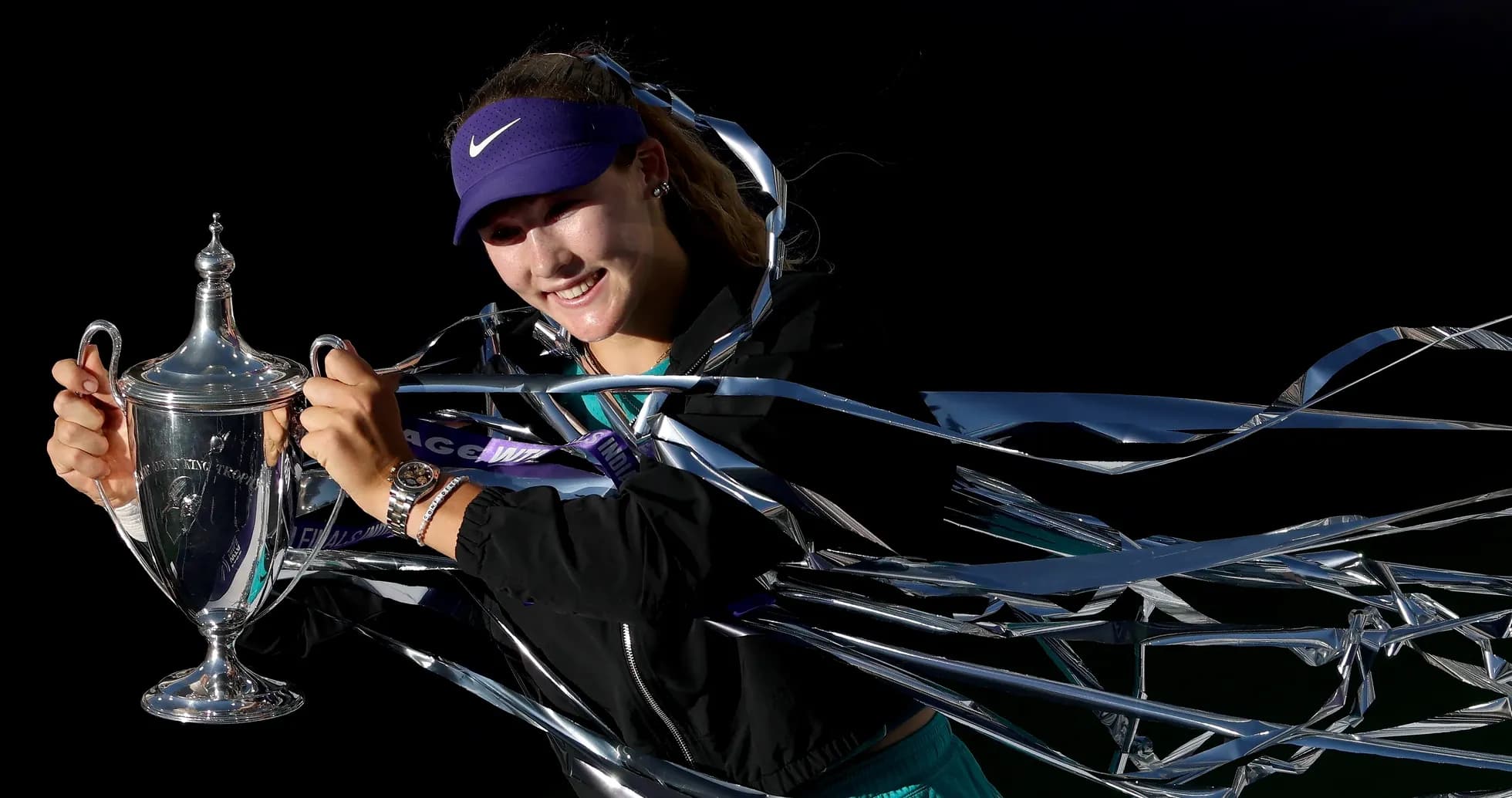
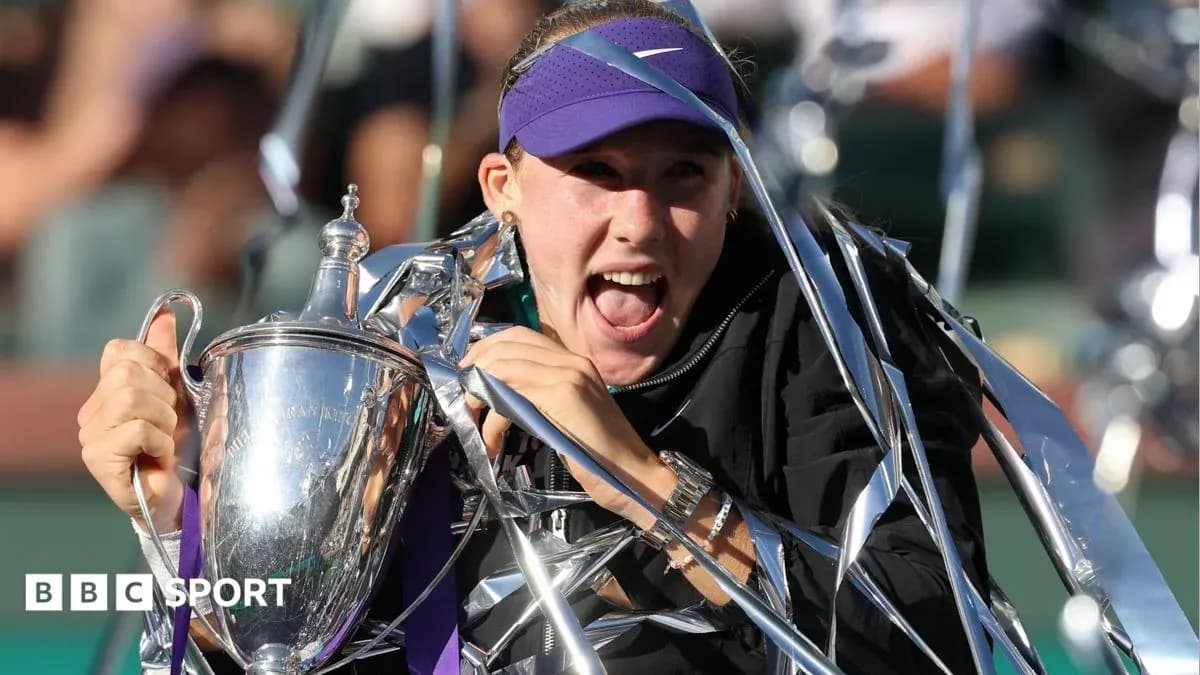
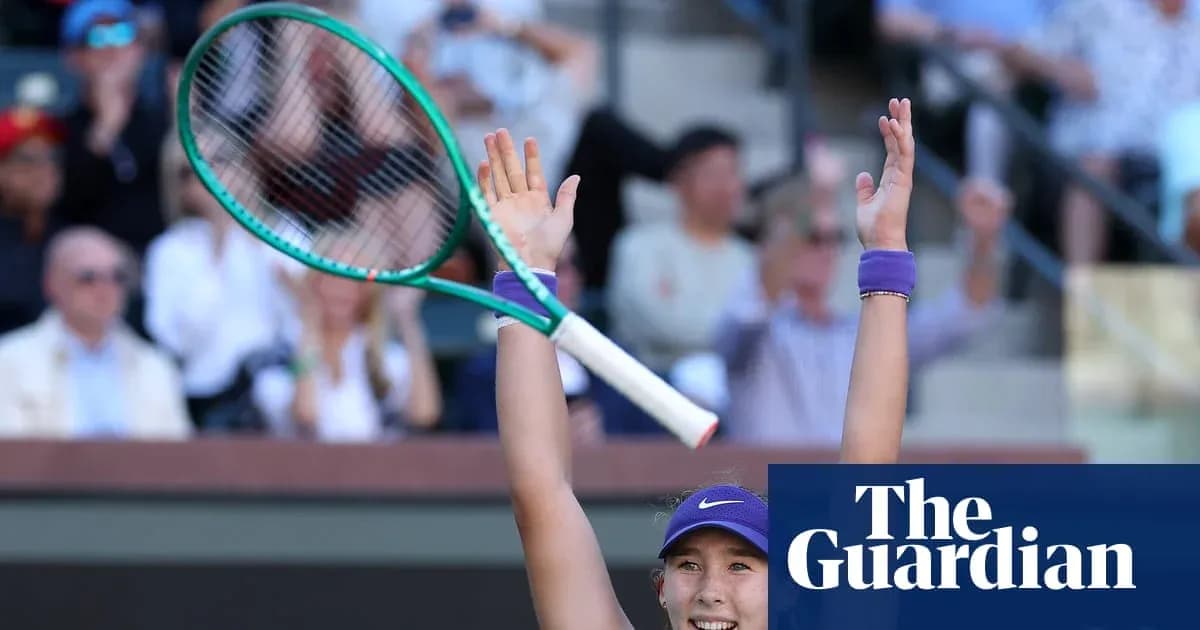
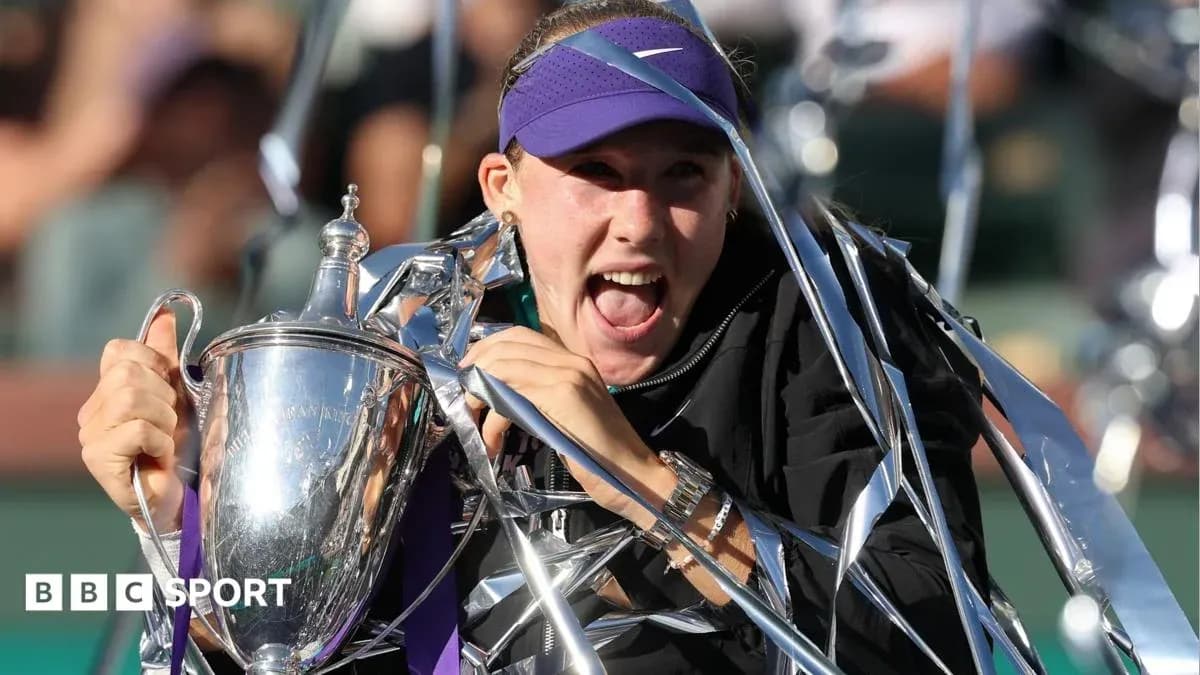
Seven days ago, Mirra Andreeva and Elina Svitolina walked into the FAGE WTA Finals and opened the event against each other. Andreeva walked out with a brisk 6-4, 6-0 statement that looked like a line in the sand. Now they meet again in Indian Wells, this time with the trophy on the line and a week’s worth of adjustments, scars and solutions between them.
Andreeva hasn’t blinked since. Not a single set dropped. Her tennis has carried the cool inevitability of a player who knows exactly what she wants to do and has the tools to do it on command.
Svitolina has taken a different route. That bruising opening loss could have broken her week; instead, it sharpened it. Three straight wins later, she’s back in front of the teenager who ran through her, armed with a cleaner serve, a fiercer forehand and the memory of every pattern that went wrong the first time.
History, though, refuses to sit quietly in the corner. Since round-robin play returned in 2003, seven WTA Finals title matches have been rematches of group-stage encounters. Four of those finals flipped the script. The player who lost first found the answers when it mattered most.
So this isn’t a rerun. It’s a reset.
Andreeva: Power, disguise and a suffocating first strike
Martina Navratilova doesn’t waste words on hype. She goes straight to the mechanics that win matches.
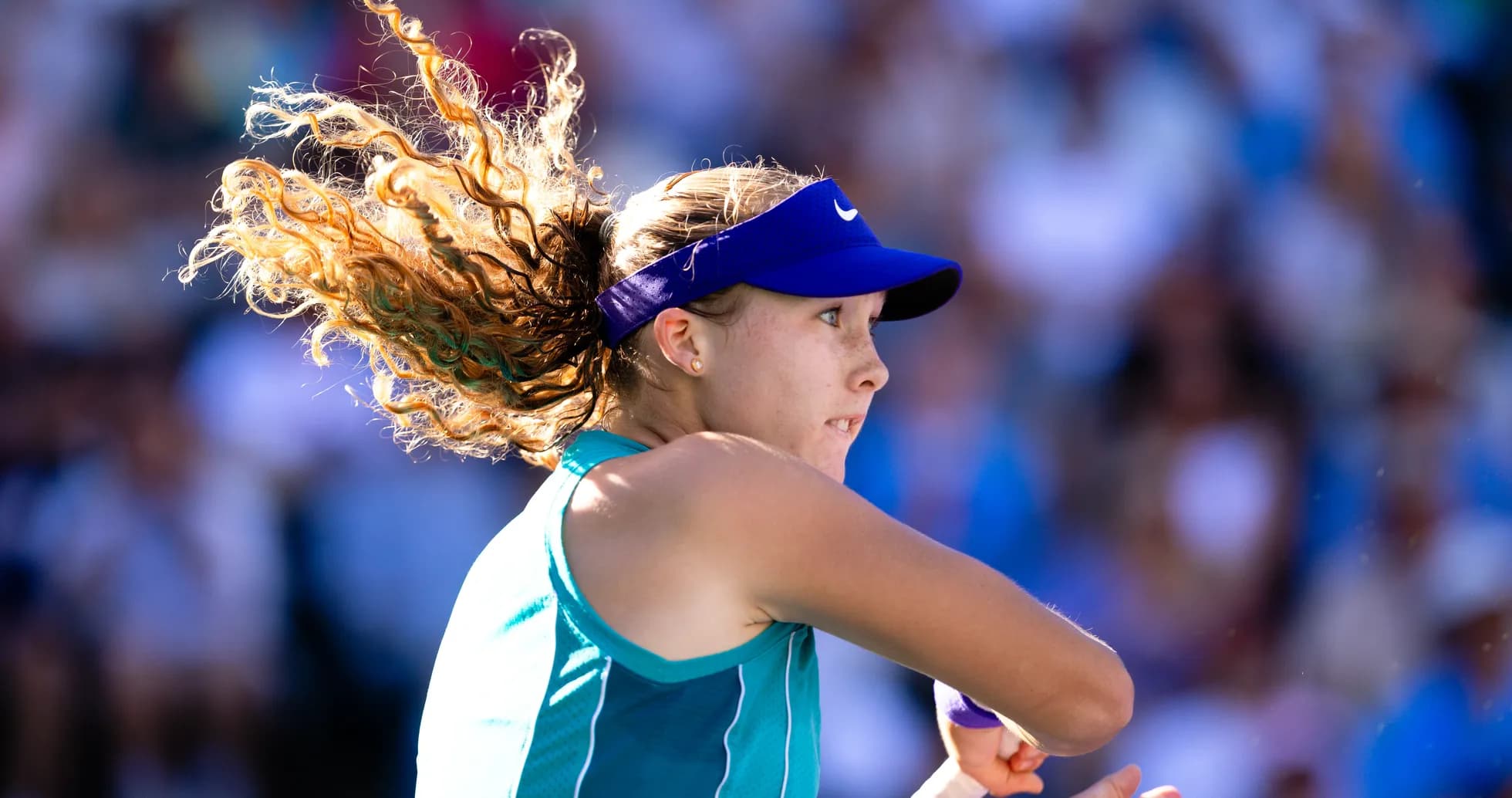
“She hits a 90 mph serve wide with a lot of slice, and then she hits 115 down the T,” Navratilova said, sketching out the nightmare that is Andreeva’s delivery. The numbers tell you speed. The description tells you why returners feel like they’re guessing in the dark.
You lean for the wide slider, the ball curls away, your contact point stretches. Next time you protect that wing, and the 115 mph bullet whistles down the middle. Even when you get a racquet on it, you’re usually just surviving the point, not shaping it.
“And when you finally get the ball back,” Navratilova added, “there’s the next problem. It’s hard to get into her service games, and then she jumps on your second serve.”
That’s the Andreeva blueprint in a sentence: protect your own serve with variety and pace, then turn every opponent’s second serve into a target. She steps in, takes time away, and suddenly rallies feel short, sharp and suffocating.
For Svitolina, the task is clear but brutal. She has to neutralize that first strike without drifting into passivity. Block too many returns, and Andreeva will own the baseline. Swing too big, and the errors pile up before any rhythm appears.
Svitolina: Anticipation, upgraded weapons and a second chance
Pam Shriver has watched Svitolina’s evolution closely, and what she saw in the semifinal sounded like a player quietly rebuilding her cutting edge.
“Her forehand was super aggressive, and her serve is so much more improved,” Shriver said. That’s not cosmetic change. For years, Svitolina’s game leaned on legs, lungs and defensive brilliance. Now the forehand isn’t just a counterpunch; it’s a hammer when she chooses to step in.
That newfound aggression meshes with a quality she has never lacked.
“She is one of the best anticipators of the ball,” Shriver said. “She reads the play beautifully.”
That anticipation is Svitolina’s best weapon against Andreeva’s variety. If she can read the serve early, she can cut off angles, get her feet set and turn those 90 mph wide serves and 115 mph T serves into more neutral starts. From there, her improved forehand has to do the rest, taking time away from Andreeva instead of absorbing it.
The first meeting was lopsided, but it also handed Svitolina a full scouting report. Where Andreeva serves under pressure. Which patterns she trusts on big points. How early she looks to pounce on a second serve. All of that is now logged, studied, and ready to be tested.
And if those WTA Finals numbers mean anything, the player who lost the first time has every right to believe.
The sun will drop over the desert, the stadium will fill, and two very different stories will collide: a teenager trying to turn a flawless week into a signature title, and a seasoned campaigner hunting revenge and silverware in the same match.
They’ve seen each other once. Now we find out who really learned more.