Andy Roddick experienced the tough side of tennis glory, finishing as runner-up in four of his five Grand Slam finals. His sole major victory came at the 2003 US Open, but after that, he lost four consecutive finals—three at Wimbledon and one more at the US Open—all against Roger Federer.
Roddick’s Grand Slam Final Record
- Win: 2003 US Open, Hard Court vs Juan Carlos Ferrero, 6–3, 7–6(7–2), 6–3
- Loss: 2004 Wimbledon, Grass vs Roger Federer, 6–4, 5–7, 6–7(3–7), 4–6
- Loss: 2005 Wimbledon, Grass vs Roger Federer, 2–6, 6–7(2–7), 4–6
- Loss: 2006 US Open, Hard Court vs Roger Federer, 2–6, 6–4, 5–7, 1–6
- Loss: 2009 Wimbledon, Grass vs Roger Federer, 7–5, 6–7(6–8), 6–7(5–7), 6–3, 14–16
On the Challenge of Runner-Up Speeches
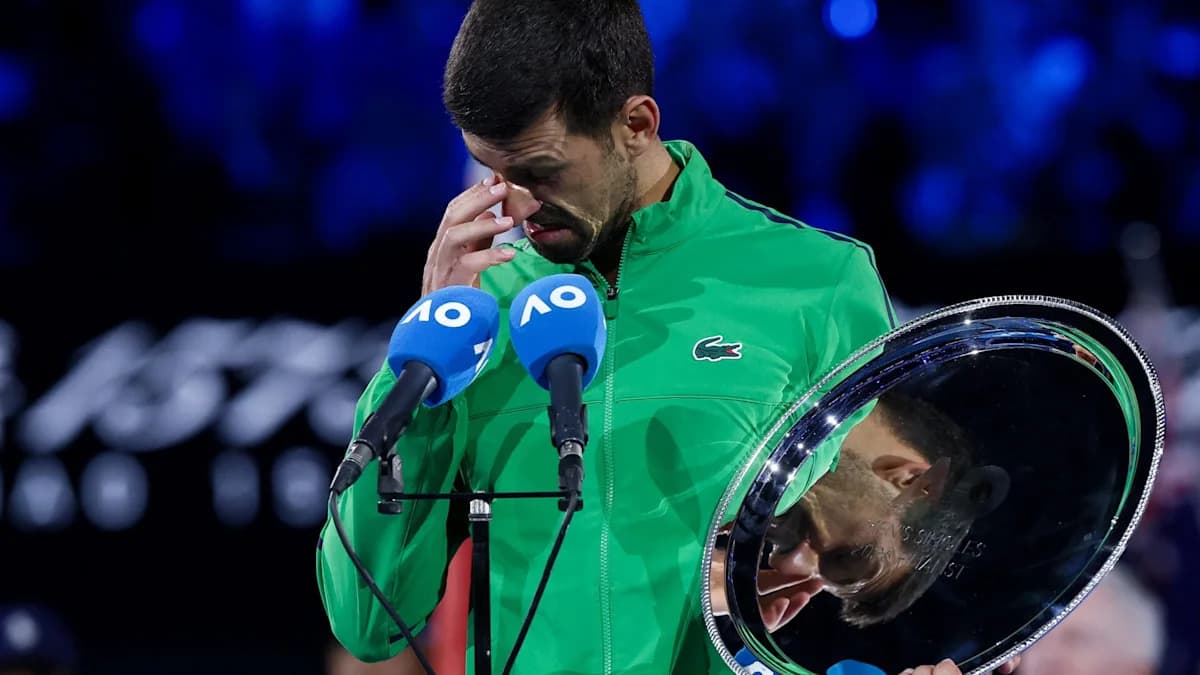
Talking on his Served podcast, Roddick opened up about how hard it is to give a speech right after losing a final. He recalled the 2009 Wimbledon final as especially tough. “Giving a speech in your worst moment... it’s not easy,” he admitted. At that point, he felt if he showed emotion, it would be impossible to continue.
He pointed out that when players manage to deliver a sincere, emotional speech in such moments, it can earn them respect and change opinions. Roddick praised Ben Shelton's post-US Open speech as one of the best he has seen, noting how both finalists acknowledged each other's teams and handled the moment with grace.
A Simple Solution for Runner-Up Speeches
Roddick suggested that making the speech optional for the runner-up could solve many problems. The player might choose to thank their team, express gratitude for the opportunity, or simply decline to speak if they’re not ready. “Pretty simple,” he said, acknowledging that TV networks might resist this idea, but it would give players control over their own moments.
Many fans want to hear from the losing finalists, but speeches often feel forced, with players eager to leave the court. The situation becomes more awkward when finalists must wait while courts are reset and tournament officials speak.
The Reality Behind Post-Match Speeches
This issue isn’t unique to Grand Slams; runner-up speeches happen throughout the ATP and WTA tours. Giving players the choice to skip or shorten their speeches might relieve some of the pressure, though it probably won’t change anytime soon due to broadcasting interests and tournament traditions.