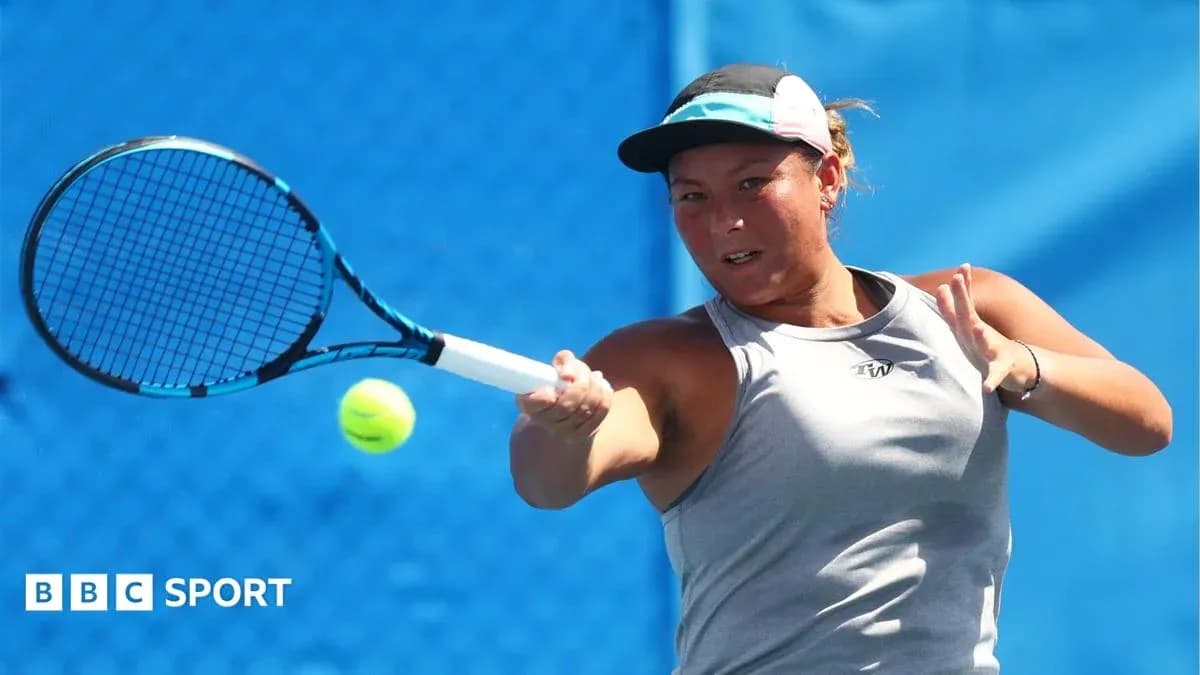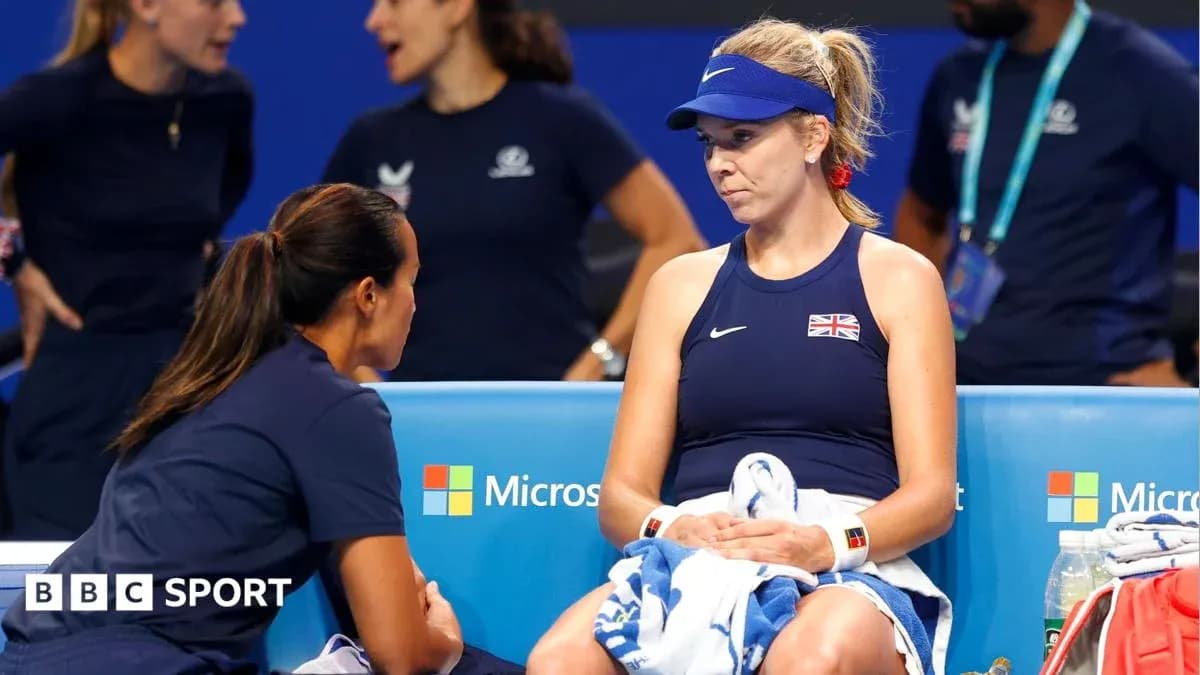
Naomi Broady has seen enough of Arthur Fery to know this is only the beginning. The former British No.3 watched the 21‑year‑old fall in straight sets to Lorenzo Musetti in the US Open first round, then drew a clear line in the hard court: this is where the real test starts.
“Arthur's going to be playing big guys now,” she said, underlining the step up. He has already shown he belongs at ATP 250 level, she argued, but the spotlight changes everything. Opponents study you. Patterns get exposed.
“It becomes a cat and mouse of can he stay ahead of that,” Broady warned. No talk of ceilings, no suggestion that this is as good as it gets. “I wouldn't expect him to plateau and the next few months will be exciting. His ranking can still skyrocket.”
For Fery, Musetti was a sharp reminder of the difference between flirting with the top tier and living there. The Italian took him out in straight sets, and the numbers told their own story: too many free points surrendered on serve, too few earned when it really mattered.
Fery didn’t hide from it. He walked off court already dissecting the loss.
“I know what I have to work on,” he said. “I got a lot of ideas coming straight off the court of what I have to work on to do better.”
The serve, usually a reliable platform, deserted him under Grand Slam pressure.
“My serve really let me down today, which is not usually the case, but I've been struggling a little bit to find my rhythm on the serve,” he admitted. “Today was particularly a struggle, but definitely playing guys at that level, it's tough and the margins are small.”
That last line is the essence of it. At this level, a mis‑timed service game, a loose couple of points, and the set is gone. The match soon follows. Fery has entered that world now, where “small margins” are not a cliché but a weekly reality.
Rain, Backlogs and Frayed Schedules
While Fery was dealing with Musetti, the tournament itself fought a different opponent: the weather. New York’s skies opened and the schedule buckled.
Rafael Jodar and Alex de Minaur were among those caught in the chaos, their matches against Yunchaokete Bu and Andrea Guerrieri wiped off a rain‑soaked Tuesday. They were just two of six contests cancelled as the courts fell silent and organisers reached for contingency plans.
The knock‑on effect is obvious. This is the busiest stretch of the fortnight, when first‑round stragglers collide with second‑round regulars, and suddenly there is a backlog that needs clearing. Compressed rest days, awkward turnarounds, and the constant hum of players checking the updated order of play.
Relief is on the way, at least from above. Forecasts point to clearing skies and sunshine later in the week. When the courts dry out, the tempo of the tournament will jump, and those who sat idle in the rain will be thrown straight into the heat of it.
Bencic’s Flashpoint
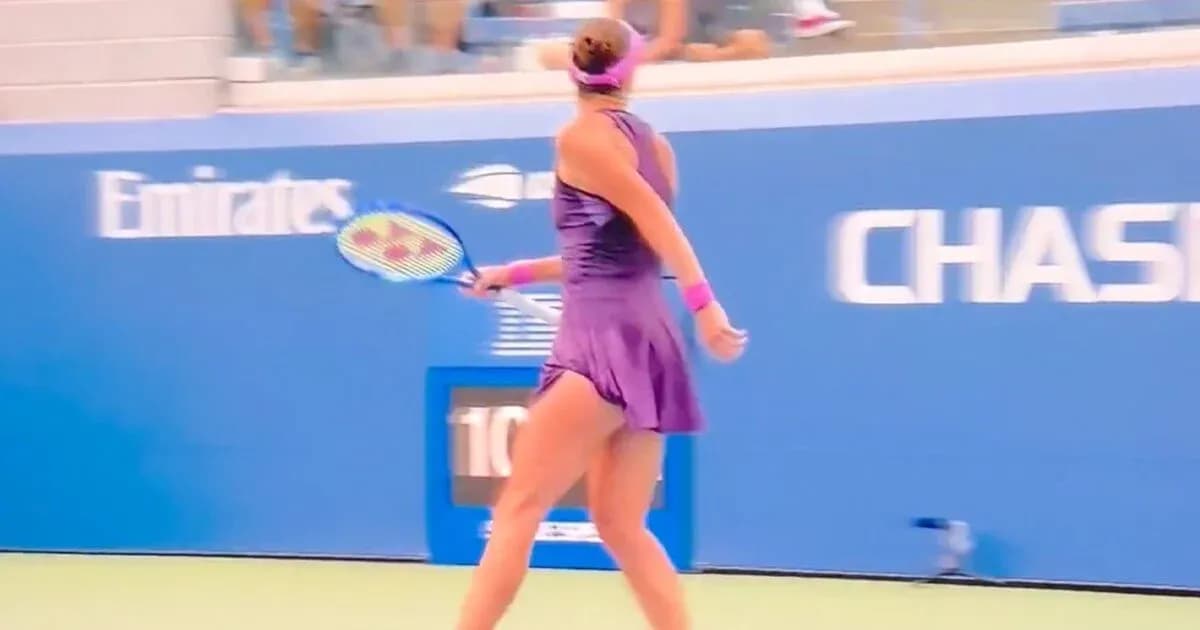
On another court, tension snapped. Belinda Bencic, the 12th seed, walked a dangerous line in her first‑round defeat to Yulia Putintseva.
Frustrated after losing a game in the second set, the Swiss star lashed a spare ball into the crowd. The chair umpire responded with a code violation for unsportsmanlike conduct, but no more than that.
She got a warning. She also got away with it.
Tennis has seen harsher outcomes for similar flashes of anger, particularly when a ball actually strikes a spectator. Disqualifications have followed in those cases, and the rulebook leaves little room for interpretation when safety is compromised.
Bencic’s ball didn’t trigger that ultimate sanction, yet the incident underlined the fine line players tread in the pressure cooker of a Slam. One swing, one moment of release, and a campaign can end not with a match point, but with a default.
So the early days at Flushing Meadows have already delivered a familiar mix: a young Brit learning the brutal truth of elite tennis, seeded names flirting with disaster, and a schedule at the mercy of the weather.
The rain will pass. The questions it leaves behind, for players like Fery and Bencic, will not fade so quickly.