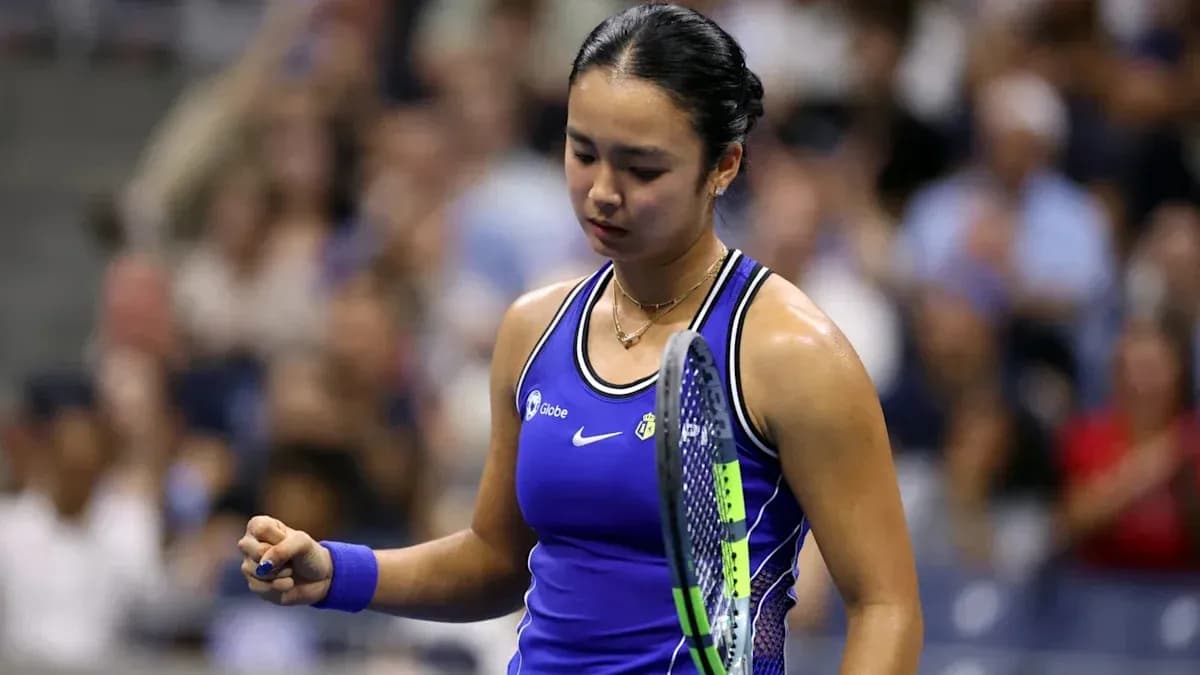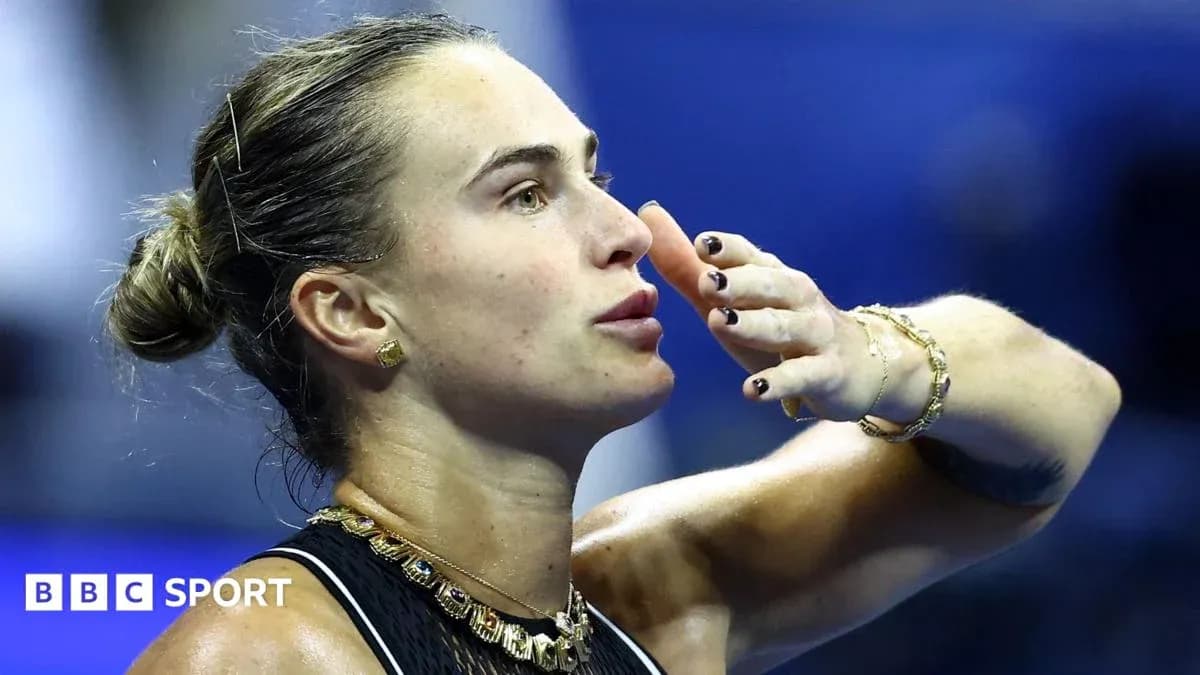
Aryna Sabalenka walked off Arthur Ashe Stadium with a 6-1 6-1 win, a 53‑minute demolition job, and barely a bead of sweat. What she did not leave with was a lighter mood.
The world number one, chasing a third straight US Open crown, dismissed debutant Polina Iatcenko with the kind of ruthless clarity that has defined her best tennis. The scoreboard, though, told only half the story of a season that has veered from unstoppable dominance to a jarring lull — and of a player clearly tired of having her commitment questioned.
A mismatch on the court, a storm off it
On court, the contest was brutal in its simplicity. Sabalenka’s pace and weight of shot crushed the 22‑year‑old Russian qualifier from the opening game. Twenty-four winners flew off the top seed’s racquet; Iatcenko could muster only three in reply. Every short ball was punished, every tentative second serve hunted down.
Iatcenko, ranked 160 in the world and suddenly standing on the sport’s biggest stage, looked frozen early on. Tight shoulders, rushed swings, heavy legs. At 5-0 down in the first set she finally held serve, drawing a smile of pure relief and a warm round of applause from the Ashe crowd. It was a small victory, and a fleeting one.
Sabalenka closed out the opening set to love in less than 90 seconds, a blur of first serves and first-strike aggression that underlined the gulf between an all-time great in full flow and a newcomer trying to breathe.
After just 24 minutes on court, Iatcenko headed off for a bathroom break, officially to change her kit, unofficially to reset her mind. Sabalenka stayed loose, hitting practice serves on the baseline, locked into a rhythm that has brought her two titles in New York and kept her at the top of the rankings — at least for now.
The second set followed the same script. Sabalenka surged to a double-break lead at 3-0, briefly wobbled with a sloppy service game, then snapped back with two more breaks to finish the job. It was a harsh education for Iatcenko, but a lucrative one: she leaves New York with $190,000 in prize money, more than half of her career earnings to date and a significant investment in her future.
A strange season, a clear ultimatum
Strip away the scoreline and Sabalenka’s situation is more fragile than her dominance on Ashe suggested.
This has been a season of extremes. She opened 2026 like a force of nature, storming to the Australian Open final and ripping through the Sunshine Double at Indian Wells and Miami. Across her first 27 matches, she lost only once — to Elena Rybakina in Melbourne.
Since then, the machine has sputtered. Coming into the US Open, her record since Miami was 17-7, with just one WTA semi-final in five months. For a player who has set her standards sky-high, that dip has been glaring.
Sabalenka has admitted she has been “dealing with several things” during this stretch, without going into detail, and knows these months have sat well below her best. The US Open, a tournament she has made her own, now doubles as a rescue mission for her ranking.
The equation is stark. To have any chance of staying world number one, Sabalenka must lift the trophy in New York again. Even that might not be enough. If Rybakina reaches the semi-finals, she will climb to the top regardless of Sabalenka’s result. Jessica Pegula and Coco Gauff also lurk in the arithmetic, each with a shot at the summit if they leave Flushing Meadows with the title.
So Sabalenka’s 53-minute statement against Iatcenko did more than book a third-round date with Kamilla Rakhimova. It was an opening argument in a fortnight-long fight to hold on to the throne.
“I’m happy with the level I played, happy with the focus and happy to be through this match,” she said afterwards. The performance backed that up. Her expression did not.
Sabalenka bites back
The edge surfaced in the interview room.
After weeks of scrutiny over her form and off-court life, Sabalenka bristled when a reporter suggested she had been at “lots of parties” in the build-up to the US Open, a reference to social media posts with sponsors and brands.
“What kind of question is that? Just because I posted some activities with brands, you think that I've been partying [and] not training?” she shot back, her irritation unmistakable.
When the follow-up came — was she “getting serious” now that the tournament had started? — Sabalenka’s sarcasm cut through the room.
“Oh yeah, I wasn't serious before that. Next question.”
It was a sharp reminder that behind the booming serves and ferocious groundstrokes stands a player under constant inspection, battling not just opponents but the narrative around her season.
Seeds hold, shocks stay away
On a day that largely went to script in the women’s draw, Sabalenka’s quick win set the tone.
Third seed Jessica Pegula kept her own push for a first Grand Slam singles title on track, easing past fellow American Sofia Kenin 6-3 6-1. Pegula, like Gauff, can climb to world number one if she marries a fortnight of clean ball-striking with the right results elsewhere. For now, she is doing her part.
Gauff advanced as well, while Karolina Muchova, this year’s Wimbledon runner-up, moved through in straight sets. Marta Kostyuk, a two-time major semi-finalist, also progressed without drama, and teenage American Iva Jovic added another confident win to her growing résumé.
Across two rounds, the pattern has held: the big names are still standing, the upsets scarce, the draw tightening around a cluster of genuine contenders.
Sabalenka sits at the heart of that group, still the woman everyone wants to avoid, still the one with the heaviest ball and the most imposing presence on a hard court. Yet this time, there is a twist. She is not only hunting history with a potential US Open three-peat. She is fighting to stop her season’s story from being rewritten by someone else’s rise.
The tennis on Ashe suggested she is ready for that fight. The glare in the press room said she has no intention of backing down.