The season’s lights are about to dim in Turin. One last stage, one last trophy, and one glaring absence.
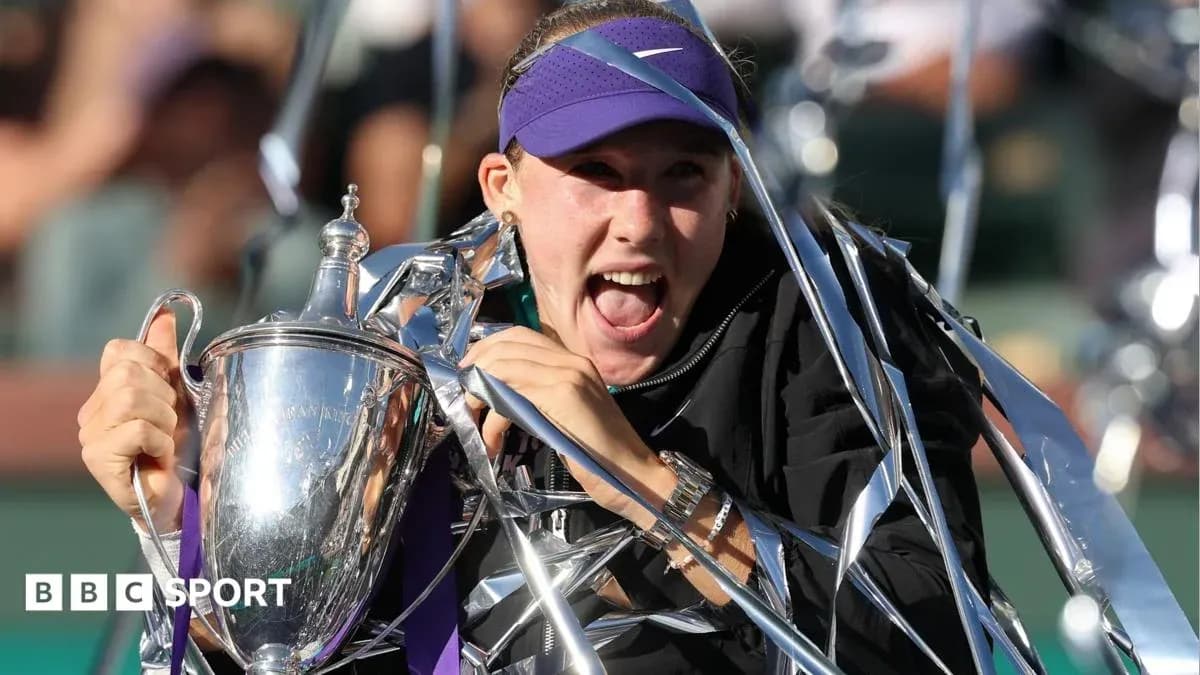
The ATP Finals begin this weekend without the man who has owned the event for the past two years. Jannik Sinner, champion in 2024 and 2025, has been forced out by the knee injury that has stalked him since the Wimbledon final. The Italian who electrified his home crowd in back‑to‑back seasons will watch from the sidelines this time.
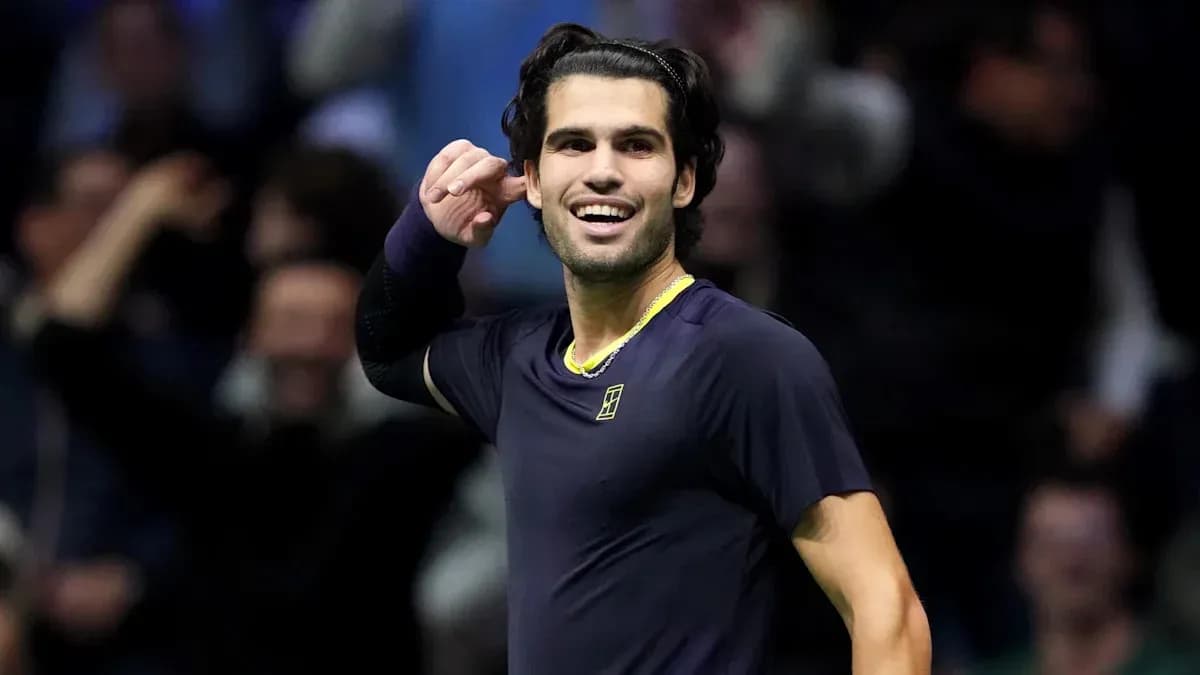
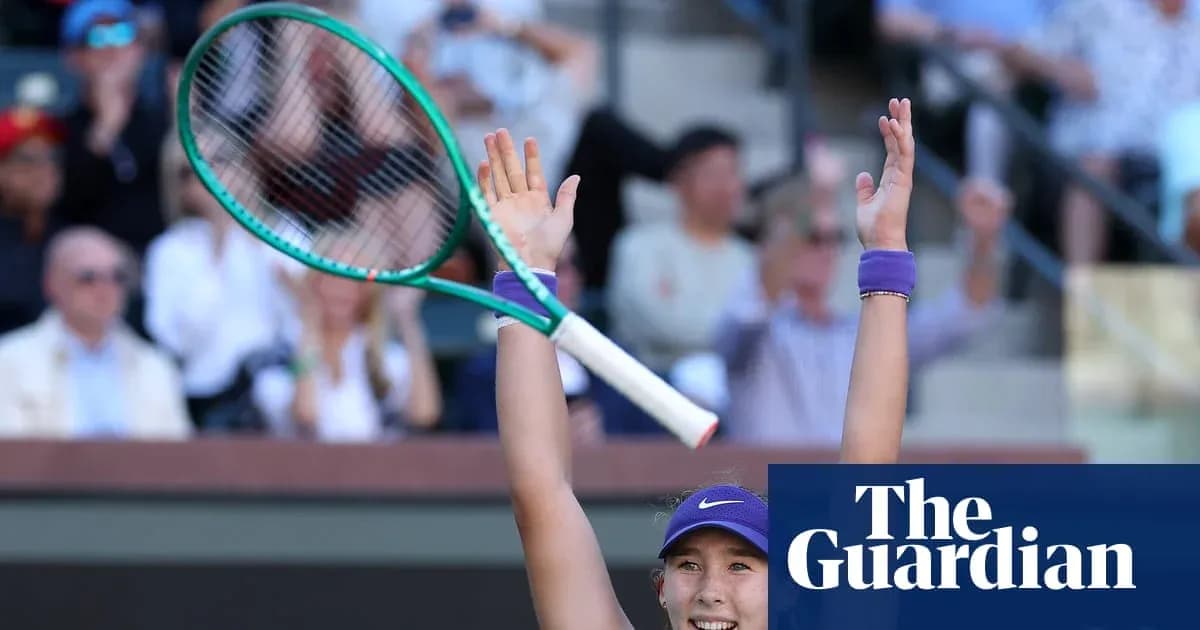
Carlos Alcaraz will not. The Spaniard, beaten by Sinner in last year’s final, returns to Turin with unfinished business and a clear target: lifting the year‑end trophy for the first time in his career. His explosive game, built for big stages and big moments, now has a vacancy at the top of the indoor hierarchy to chase.
Above them all, the numbers still belong to Novak Djokovic. Seven ATP Finals titles, more than anyone in history. Roger Federer sits just behind him with six. Between them, they turned the season finale into a private duopoly for more than a decade.
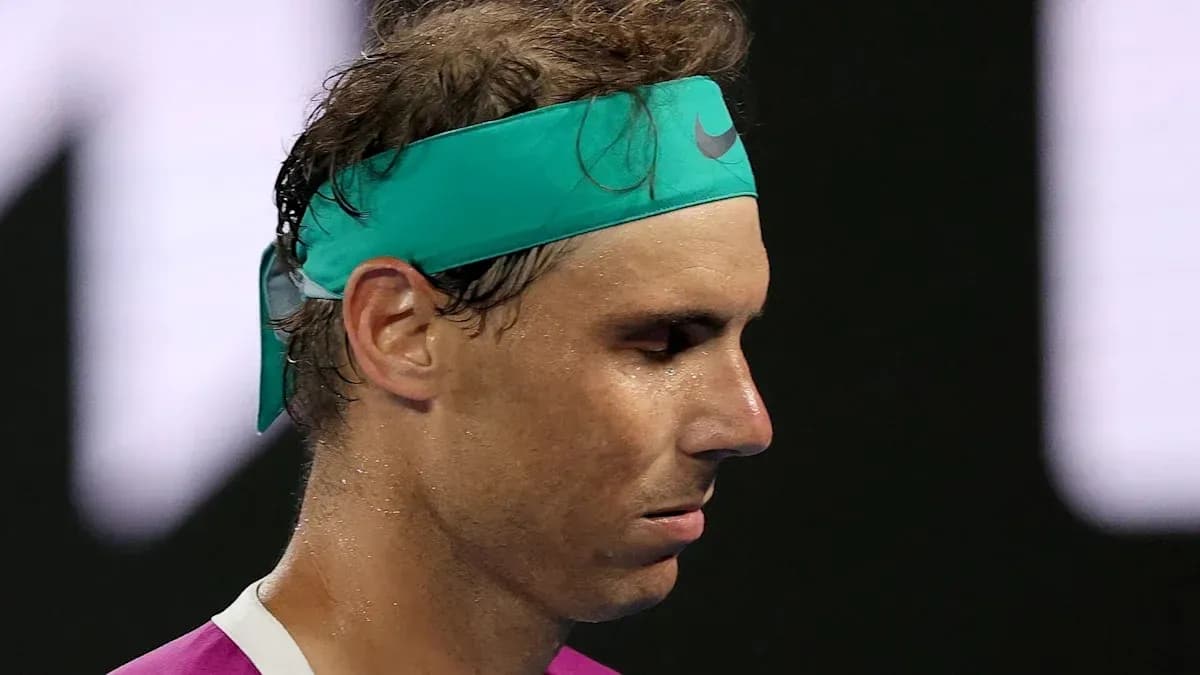
Rafael Nadal never joined that club.
For all his dominance elsewhere, for all the clay-court tyranny and Grand Slam heroics, the ATP Finals remained the one great stage that never quite bent to his will. No titles. Two finals. A career of near-perfection with one stubborn asterisk.
His first shot came in 2010. Nadal pushed Federer to a deciding set in the championship match, dragging the Swiss into a physical, emotional battle on a surface that always tilted away from him. Federer held firm, found the lines when it mattered, and closed the door in three.
Nadal fought his way back to the final in 2013, this time staring down Djokovic. There was no escape route there. The Serb locked in from the first ball and shut him out in straight sets, a clinical display that underlined just how unforgiving indoor hard courts can be.
That night was as close as Nadal would come again.
He qualified for five more ATP Finals after that 2013 run. Twice he made the semifinals, always grinding, always adjusting to a surface and conditions that never truly suited his heavy, looping game. The last step, though, stayed out of reach. For a player who defined his era, the year-end crown remained the one prize he never quite solved.
One week in 2019 captured that complicated relationship with the tournament better than any statistic.
Nadal arrived in London nursing an abdominal issue picked up at the Paris Masters. His preparation, by his own admission, was rushed and incomplete. The draw offered no mercy. In his opening match he was dismantled by Alexander Zverev, a heavy defeat that left him needing help from other results just to have a chance at the semifinals.
He responded the only way he knows: by competing.
In the round robin he turned back Stefanos Tsitsipas, fighting through the uncertainty of his own body and the unforgiving pace of indoor tennis. Even after that win, his fate was out of his hands. Yet in the press room he cut through the usual end‑of‑season clichés and laid bare the reality of playing this event undercooked.
He spoke about arriving with almost no proper practice indoors, about having played just one “normal set” before the tournament began. About how the ATP Finals, with no early soft landing, punish any lack of sharpness. From day one, you face one of the best players in the world on a quick court. If your movement, timing, and confidence aren’t there, the margins turn brutal.
For Nadal, the priority in 2019 was not just a semifinal berth. It was leaving London with the sense that he had squeezed everything he could out of a compromised week. Beating Tsitsipas allowed him to do that. He walked away convinced his level was rising again, ready to carry that feeling into Madrid and close his ATP year on a high.
The numbers from that season back him up. In 2019 he produced one of the finest campaigns of his career: titles at Roland Garros and the US Open, plus trophies in Rome and Canada. When he pulled on Spain’s colors at the Davis Cup to finish the year, he swept all his singles matches in straight sets, a reminder that when the surface tilted even slightly his way, the old authority returned.
As Turin opens its doors once more, with Sinner sidelined and Alcaraz chasing his first crown, the record books will again flash the familiar names: Djokovic, Federer, and the empty space next to Nadal’s. The greatest players are often defined as much by the titles they never won as by the ones they did.
For this generation’s fiercest competitor, the ATP Finals will always be that one riddle left unsolved.