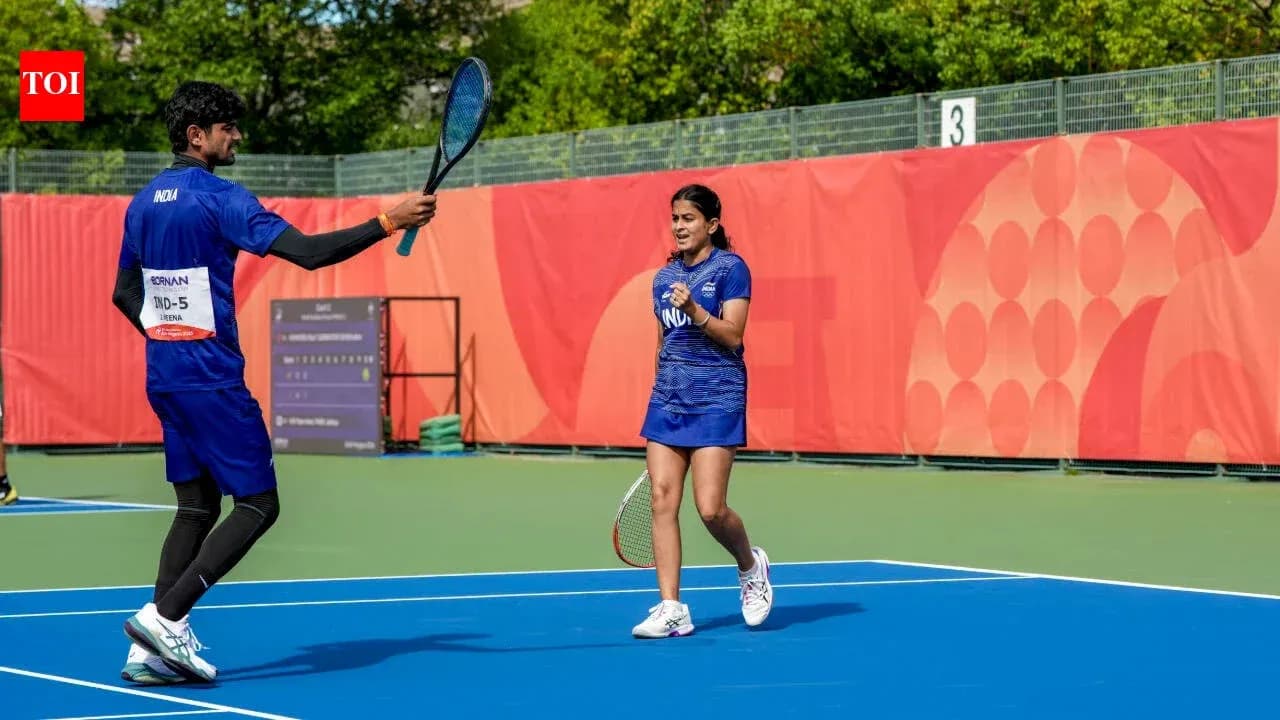
VESTAL, N.Y. – For three days in September, tennis in Binghamton steps out of its usual lanes and turns into something closer to a festival.
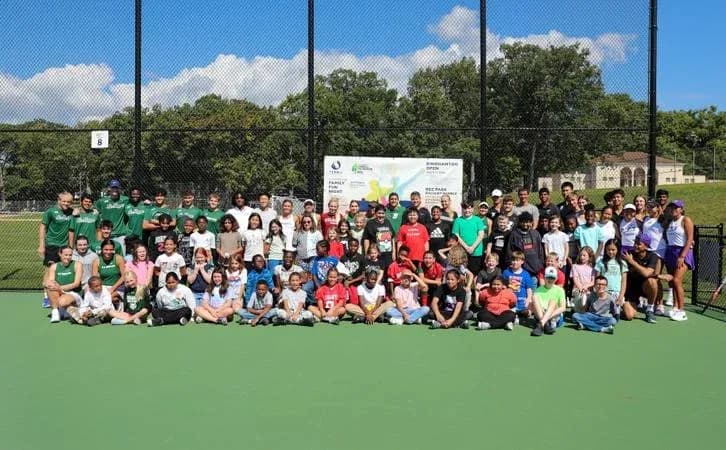
The Carousel Classic, back for a second straight year, will take over Recreation Park from Sept. 11–13, pulling together Division I programs, college club teams, high school players and, for the first time, a full adaptive tennis clinic and tournament. It’s part competition, part community project, and very much a statement of intent from Binghamton University Tennis.
Three days, one park, every level
The schedule is relentless.
Play starts Friday at 9 a.m., with Division I matches running alongside Collegiate Wheelchair competition. The morning intensity pauses briefly as the courts open from 11 a.m. to noon for a youth clinic with students from Horace Mann Elementary, then swing straight back into match play at noon until around 5 p.m.
Saturday leans into the event’s new heartbeat. The adaptive clinic opens the day at 9 a.m., giving athletes with disabilities dedicated time and space to work with coaches and players. By around 10:30 a.m., matches begin and roll through to about 5 p.m., turning the park into a showcase of both performance and accessibility.
Sunday keeps the tempo high. Matches are set to start at roughly 9 a.m. and run through the afternoon, with Collegiate Club tennis stepping in at noon to underline the event’s full-spectrum feel — from varsity to club, from youth to adaptive.
Adaptive tennis takes center stage
The most striking change this year is the expansion of adaptive tennis programming. What was once a collegiate event with community touches now leans fully into inclusion, with wheelchair programs from University of Michigan, University of Houston and Fresno State bringing both men’s and women’s teams to Binghamton.
They join a Division I field that features men’s squads from Binghamton, Buffalo and Bucknell, and women’s teams from Binghamton, Buffalo and Colgate. The mix is deliberate: high-level competition sharing the same courts and the same weekend as clinics designed for athletes who rarely get this kind of stage.
Men’s head coach Nick Zieziula knows exactly what that means.
He sees a weekend that doesn’t just fill a schedule, but broadens what a college tennis event can be — teams battling hard in matches, then turning around to run clinics for kids who may never have picked up a racquet before. For his group, it’s also a sharp early test against programs that sit at the top of their respective conferences, a chance to measure up before the dual-match grind begins.
Community at the core
An event this wide-ranging doesn’t happen without backing. Tennis Charities of Binghamton is actively seeking corporate sponsors and community partners to help shoulder the costs of running the Classic and to keep youth and community programming accessible.
The local buy-in matters. Recreation Park will not just host college athletes; it will welcome elementary school students, adaptive players and club competitors, all sharing the same setting and often the same courts. That crossover is the point.
Women’s head coach Paul Caceres underlined that connection. His team will again work with Horace Mann students at the youth clinic, a now-established piece of the weekend, while also stepping into the new adaptive programming. For the women, the Carousel Classic doubles as their first tournament of the fall — a season opener wrapped inside a community event, with the standard of play expected to be high from the first ball struck.
New faces, new season, familiar ambition
On the women’s side, Binghamton introduces four new players who will slot in alongside returners such as Apara Khandare, Angel Walia and Samantha Jaros. The Carousel Classic becomes their first shared stage, a chance to set the tone for the fall and to see how the pieces fit under pressure.
The men arrive with unfinished business.
They come off a runner-up finish in last season’s NEC Tournament, a result that sharpened expectations. Core returners Andre Ajed, Filipe Costa and Harry Liao anchor a group that also features four newcomers, adding depth and intrigue to the lineup battles. Across the weekend, that mix should produce exactly what coaches and fans want at this time of year: competitive, revealing matches that hint at what’s coming when conference play arrives.
By Sunday evening, the scores will be logged and the courts at Recreation Park will quiet down. What will linger is something bigger than a preseason tune-up: a Division I event that treats adaptive tennis, youth clinics, club competition and high-performance play as parts of the same story.
If Binghamton can keep building on that model, the Carousel Classic won’t just be another date on the calendar. It will be the standard for what a college tennis weekend can look like.